
 Pin it
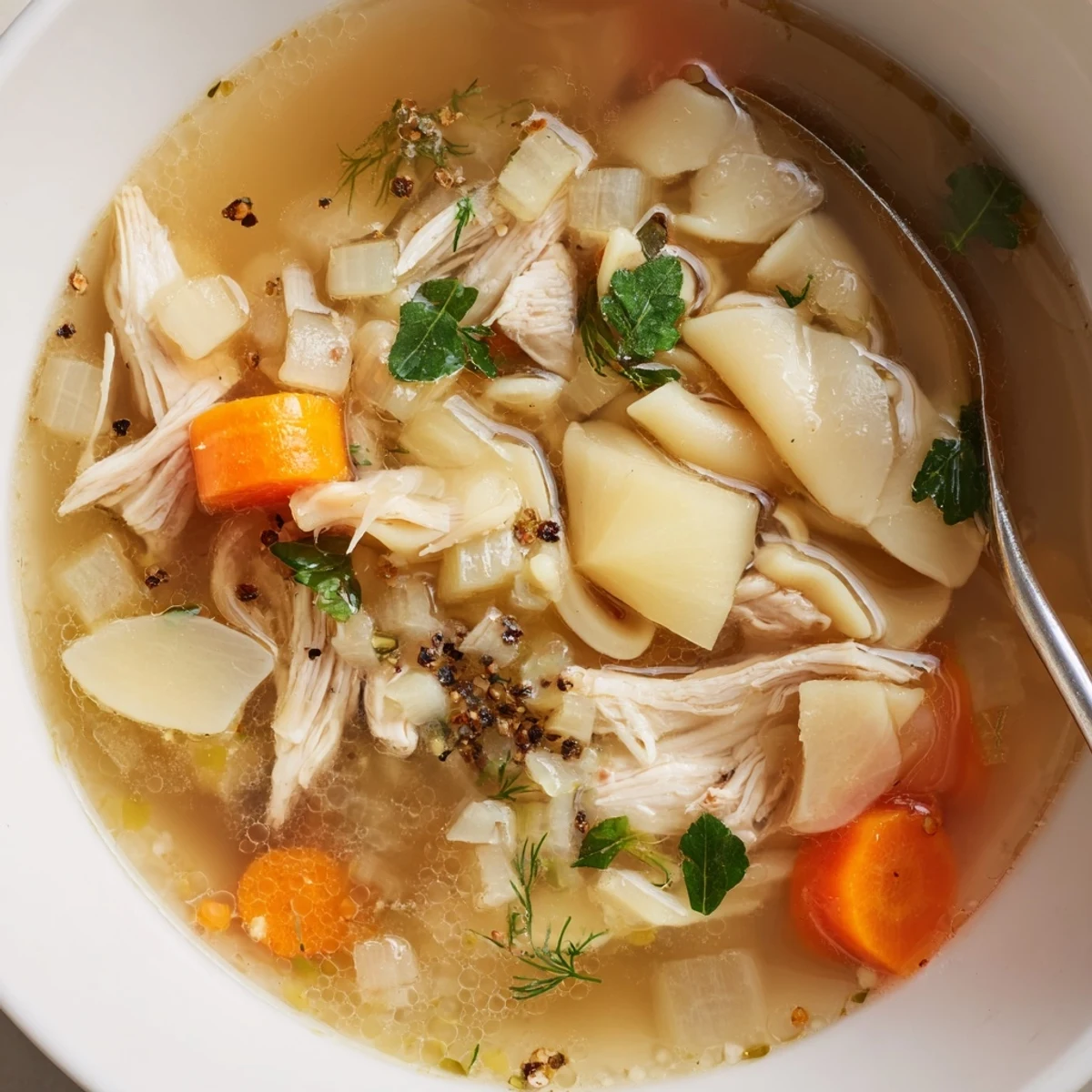
 This classic chicken soup layers simple techniques for deep flavor: simmer bone-in chicken with carrots, celery, onion, garlic and herbs for 45–60 minutes, skim foam, then shred the meat and return it to the pot. Sautéing the vegetables first adds richness; add noodles or rice near the end. Finish with fresh parsley or dill and adjust salt to taste. Makes about 4 servings.
The screen door slammed shut behind me and the smell hit before I even got my coat off. My grandmother was already at the stove, wooden spoon in hand, shooing me toward the table. Outside, snow was piling up on the porch railing, but inside that kitchen the air was thick and golden, like the soup itself had wrapped its arms around the whole house. That pot of chicken soup taught me more about comfort than any words ever could.
Years later, I made this for a friend recovering from surgery, balancing the pot on her cluttered counter while her cat inspected my every move. She called me the next day to say she had heated up a second bowl at midnight, standing barefoot in her kitchen, and it was the first thing that tasted right in weeks.
Ingredients
- 1 whole chicken, about 1.2 kg, cut into pieces, or 800 g bone-in, skin-on chicken thighs or breasts: Bone-in meat gives the broth body and richness that boneless cuts simply cannot match.
- 3 medium carrots, sliced: They add natural sweetness and a lovely soft texture after simmering.
- 2 celery stalks, chopped: Celery builds the aromatic foundation alongside onion and carrot.
- 1 large onion, diced: A good onion is the quiet hero of every great soup.
- 3 garlic cloves, minced: Fresh garlic stirred in at the start fills the kitchen with an unmistakable warmth.
- 2 bay leaves: Do not skip these, they infuse the broth with a subtle herbal depth.
- 1 parsnip, optional, peeled and sliced: If you find one, toss it in for a gentle, earthy sweetness.
- 2 liters cold water or low-sodium chicken broth: Starting with cold liquid helps draw flavor from the bones slowly and evenly.
- 1 tsp whole black peppercorns: Whole peppercorns give gentle heat without clouding the broth.
- 1 small bunch fresh parsley: The stems can simmer in the pot, save the leaves for finishing.
- 1 tsp dried thyme or 3 sprigs fresh thyme: Thyme and chicken are one of those combinations that just belong together.
- 1 and 1/2 tsp salt, plus more to taste: Season in layers and taste at the end.
- 150 g egg noodles or rice, optional: Noodles turn this from a broth into a full meal.
- Fresh dill, chopped, for garnish, optional: A sprinkle of dill at the end brightens everything up beautifully.
Instructions
- Start the broth gently:
- Place the chicken pieces in a large pot and pour in the cold water or broth. Bring it to a simmer over medium heat and watch for foam rising to the top, skim it off with a spoon so your broth stays clear and clean.
- Build the flavor base:
- Add the carrots, celery, onion, garlic, parsnip if you are using one, bay leaves, peppercorns, thyme, and salt. Let everything simmer gently uncovered for 45 to 60 minutes until the chicken pulls away from the bone and the vegetables are tender.
- Shred the chicken:
- Carefully lift the chicken out of the pot and set it aside to cool just enough to handle. Discard the skin and bones, then shred or chop the meat into bite-sized pieces.
- Add noodles or rice if you like:
- Drop in the egg noodles or rice and let them cook for 8 to 10 minutes until tender. Return all that beautiful shredded chicken back to the pot.
- Finish and taste:
- Fish out the bay leaves and any herb stems, then taste the broth and adjust with more salt or pepper until it sings. This is the moment where you make it yours.
- Serve with care:
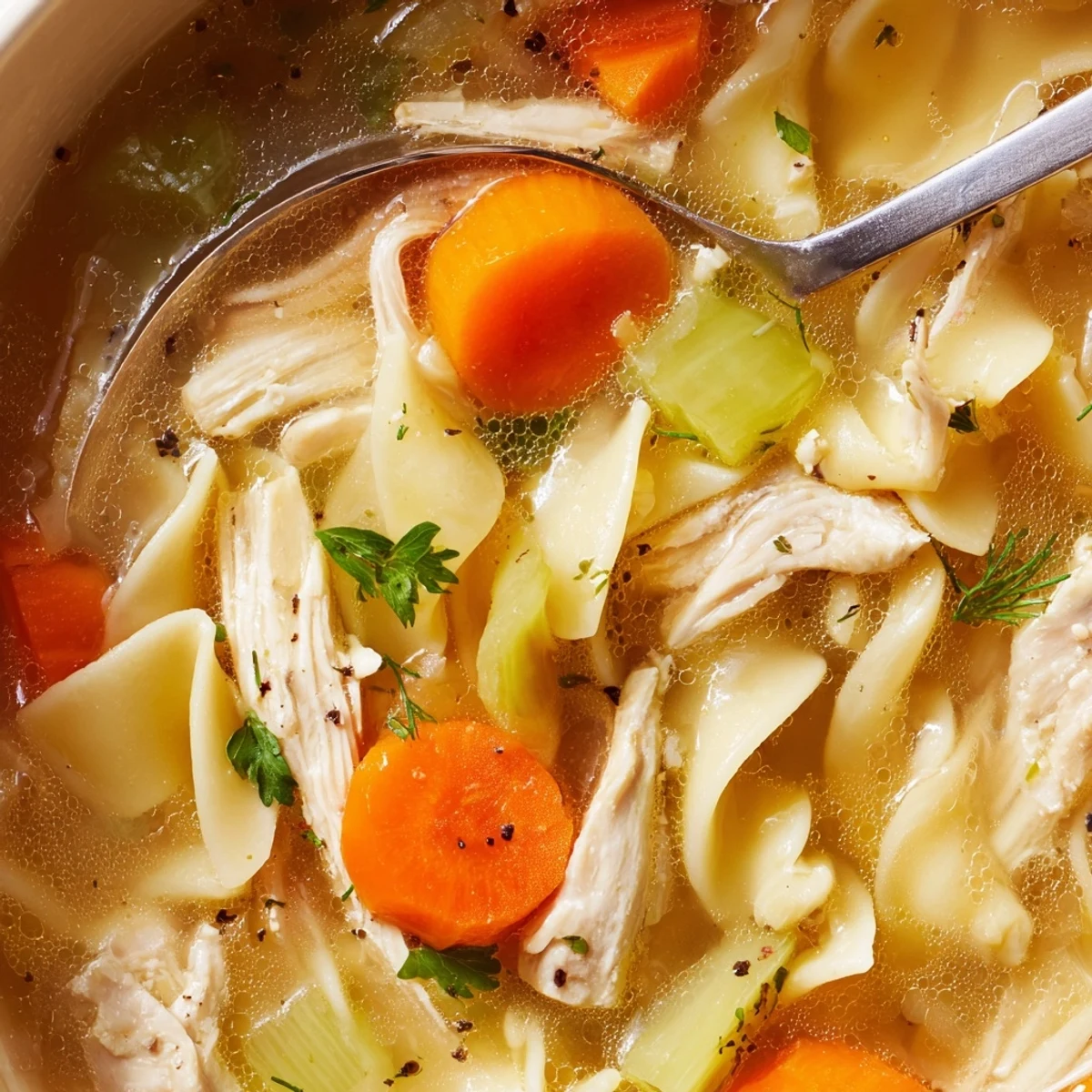
- Ladle the steaming soup into wide bowls and scatter fresh parsley and dill over the top. Serve it hot and watch shoulders drop as people take their first sip.
 Pin it
 There is a specific kind of quiet that settles over a table when everyone is eating this soup, the kind where spoons slow down and conversation softens into murmurs.
Making It Ahead of Time
This soup rewards patience in more ways than one. If you can make it a day ahead, the flavors deepen and marry overnight in the fridge, turning a great soup into something truly memorable. The fat will rise and solidify on top, which makes it easy to scoop off if you prefer a lighter broth. Reheat it gently on the stove and it tastes even better than the day you made it.
Tools That Actually Help
A heavy-bottomed soup pot makes all the difference here because it distributes heat evenly and reduces the chances of scorching at the bottom. A skimmer or small fine mesh strainer is handy for skimming foam, but a regular large spoon works just fine too. Keep a sharp knife and a sturdy cutting board close by since there is a fair amount of chopping involved. A ladle with a pour spout makes serving much neater.
What to Serve Alongside
A thick slice of crusty bread for dipping is really all you need, though a simple green salad with a vinaigrette cuts through the richness nicely. If you want a wine pairing, a chilled glass of Sauvignon Blanc sits beautifully alongside the herbaceous notes in the broth. On cold evenings, I have been known to serve this with nothing more than buttered toast and a cynical attitude toward the weather outside.
- Crusty sourdough or a baguette makes the best dipping vehicle.
- A light salad with lemon dressing balances the warmth of the soup perfectly.
- Do not forget to set out extra napkins, soup night is always messier than you expect.
 Pin it
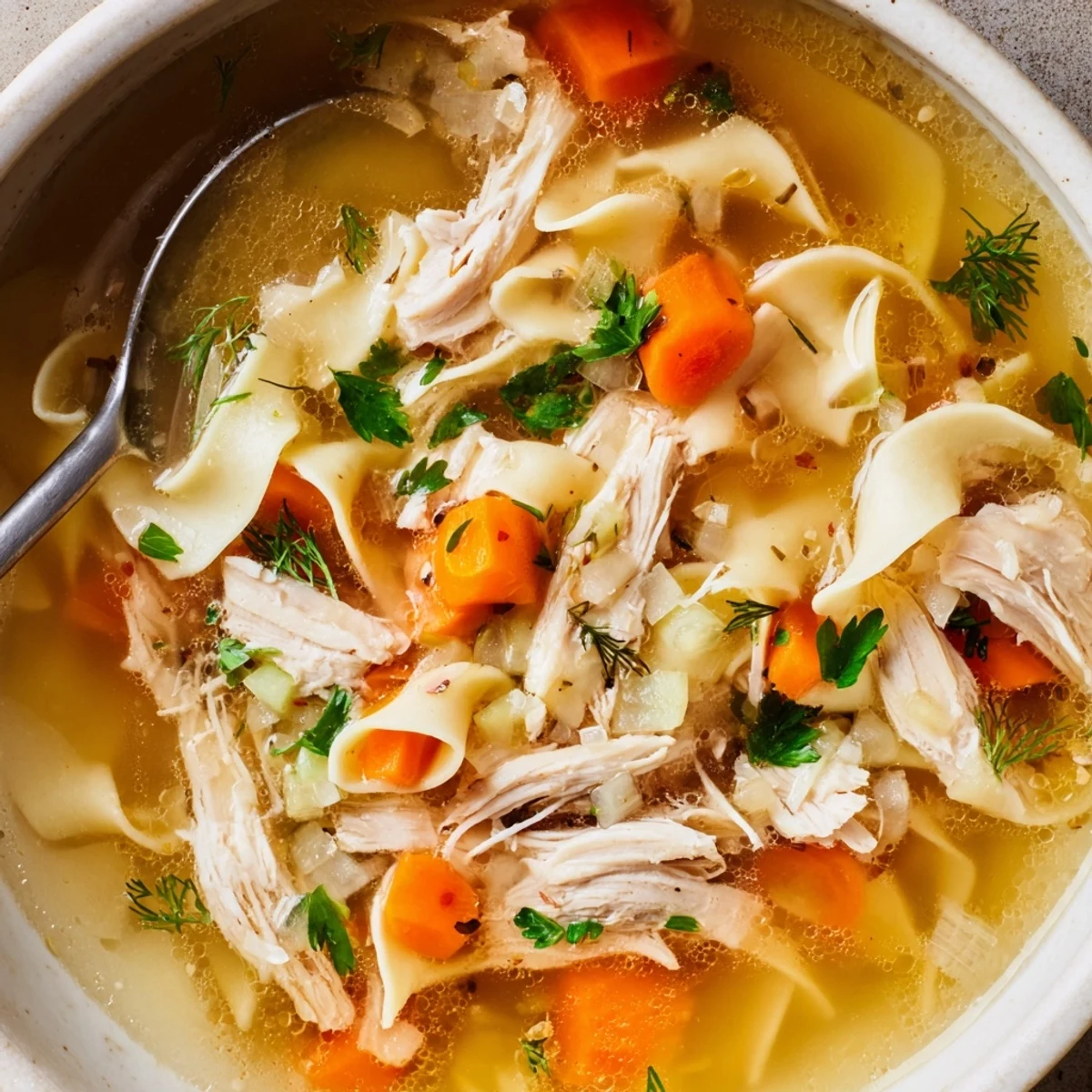
 Some recipes are just recipes, but chicken soup is a gesture of care that you can hold in a bowl. Make a big pot, share it generously, and keep some tucked in the freezer for whatever day needs it most.
Recipe Q&A Section
- → How long should I simmer the chicken?
-
Simmer for 45–60 minutes until the chicken is tender and the vegetables are soft; longer gentle simmering will deepen the broth's flavor.
- → Should I sauté the vegetables first?
-
Sautéing carrots, celery and onion in a little oil for 5–7 minutes before adding liquid builds a richer, more savory base but is optional for a quicker method.
- → Can I use boneless chicken instead of bone-in?
-
Yes—boneless pieces cook faster, so reduce simmer time and watch doneness. For the fullest broth flavor, bone-in cuts are preferred.
- → When should I add noodles or rice?
-
Add egg noodles or rice in the last 8–10 minutes of cooking so they finish tender without becoming mushy; reserve some cooking liquid if you like a looser broth.
- → How do I make this gluten-free or dairy-free?
-
Use gluten-free noodles or rice and avoid dairy additions; the broth and ingredients here are naturally dairy-free when using those swaps.
- → What’s the best way to store and reheat leftovers?
-
Cool quickly, refrigerate up to 3–4 days or freeze portions up to 3 months. Reheat gently on the stove until steaming and add a splash of water if the broth has reduced.