
 Pin it
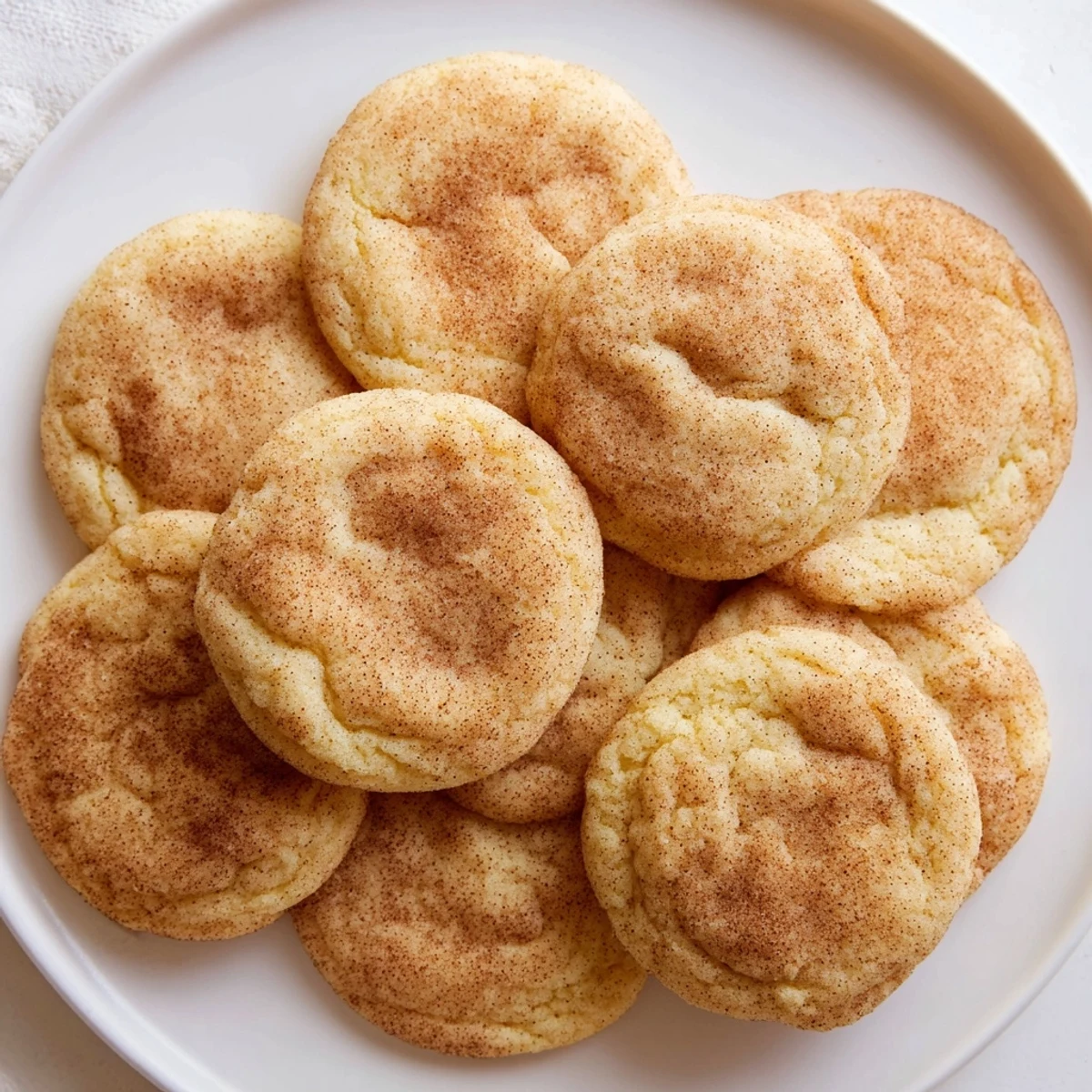
 These beloved cookies feature a tender buttery dough rolled in aromatic cinnamon sugar before baking. The result is perfectly soft centers with slightly crispy edges, creating that signature texture. Cream of tartar gives them their traditional tangy undertone while the cinnamon-sugar coating creates that irresistible crackled exterior. Ready in just 25 minutes, these cookies are ideal for everything from holiday gatherings to after-school treats.
The kitchen smelled like a cinnamon dream the afternoon my neighbor walked over with a plate of still warm snickerdoodles and changed my entire cookie hierarchy forever.
I spent an entire rainy Saturday tweaking this recipe until my countertop disappeared under mounds of dough and my family stopped asking when dinner would be ready.
Ingredients
- 2 3/4 cups all-purpose flour: The backbone of the cookie and spooning into the cup then leveling gives the most reliable results.
- 2 teaspoons cream of tartar: This is what makes a snickerdoodle unmistakably itself and provides that slight tang and chew.
- 1 teaspoon baking soda: Works with the cream of tartar to give these cookies their gentle lift and spread.
- 1/2 teaspoon salt: Never skip it because salt amplifies every warm spice note in the coating.
- 1 cup unsalted butter softened: Room temperature butter creams properly and creates those tiny air pockets for a tender crumb.
- 1 1/2 cups granulated sugar: Just enough sweetness in the dough to let the cinnamon coating shine without competing.
- 2 large eggs: Added one at a time so each incorporates fully and keeps the dough smooth.
- 1 teaspoon pure vanilla extract: A quiet background note that rounds out the flavor beautifully.
- 1/4 cup sugar mixed with 1 1/2 tablespoons cinnamon: The sparkly coating that makes every bite feel like a celebration.
Instructions
- Warm up the oven:
- Preheat to 375 degrees Fahrenheit and line two baking sheets with parchment paper so nothing sticks and cleanup is effortless.
- Whisk the dry ingredients:
- In a medium bowl combine the flour cream of tartar baking soda and salt then set it aside while you tackle the wet ingredients.
- Cream butter and sugar:
- Beat the softened butter and sugar together in a large bowl until the mixture turns pale and looks light and fluffy almost like frosting.
- Add eggs and vanilla:
- Drop in one egg at a time beating after each addition then pour in the vanilla and mix until everything looks cohesive and silky.
- Bring the dough together:
- Gradually add the flour mixture to the wet ingredients mixing gently just until the last streak of flour disappears into the dough.
- Prepare the cinnamon sugar:
- Stir the sugar and cinnamon together in a small bowl until the color looks even throughout with no pale sugar pockets hiding inside.
- Shape and coat:
- Scoop rounded tablespoonfuls of dough roll them into balls between your palms then tumble each one through the cinnamon sugar until fully coated.
- Arrange on sheets:
- Place the coated dough balls about two inches apart on the parchment lined sheets so they have room to spread into perfect rounds.
- Bake until barely set:
- Slide them into the oven for 9 to 11 minutes pulling them out when the edges look done but the centers still appear slightly soft and puffy.
- Cool and enjoy:
- Let the cookies rest on the baking sheets for two minutes then transfer them gently to a wire rack where they will finish setting as they cool.
 Pin it
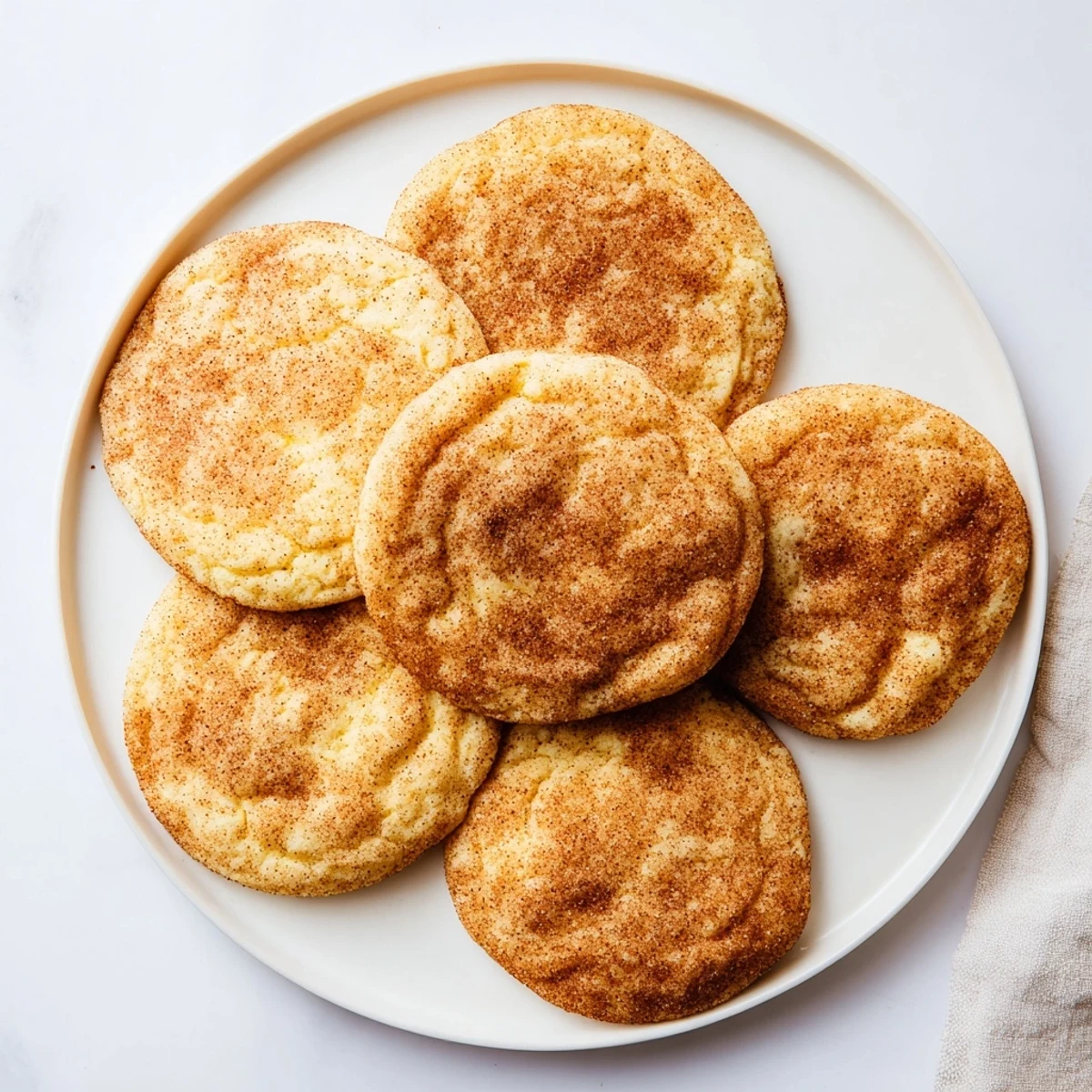
 My daughter once arranged an entire plate of these in a circle and declared them snickerdoodle sunflowers and now I cannot look at one without grinning.
Getting the Texture Just Right
The difference between a good snickerdoodle and a legendary one comes down to three small decisions you make before the oven even turns on.
Storing for Lasting Softness
Keep them in an airtight container with a slice of bread tucked inside and the cookies will stay bakery soft for up to five days.
Tools That Make This Easier
You really only need a handful of basics to pull this off beautifully.
- A cookie scoop saves time and gives you evenly sized cookies that bake at the same rate.
- Parchment paper is nonnegotiable because it prevents spreading and sticking better than any greased pan ever could.
- An electric mixer makes creaming the butter effortless but a whisk and some elbow grease work too.
 Pin it
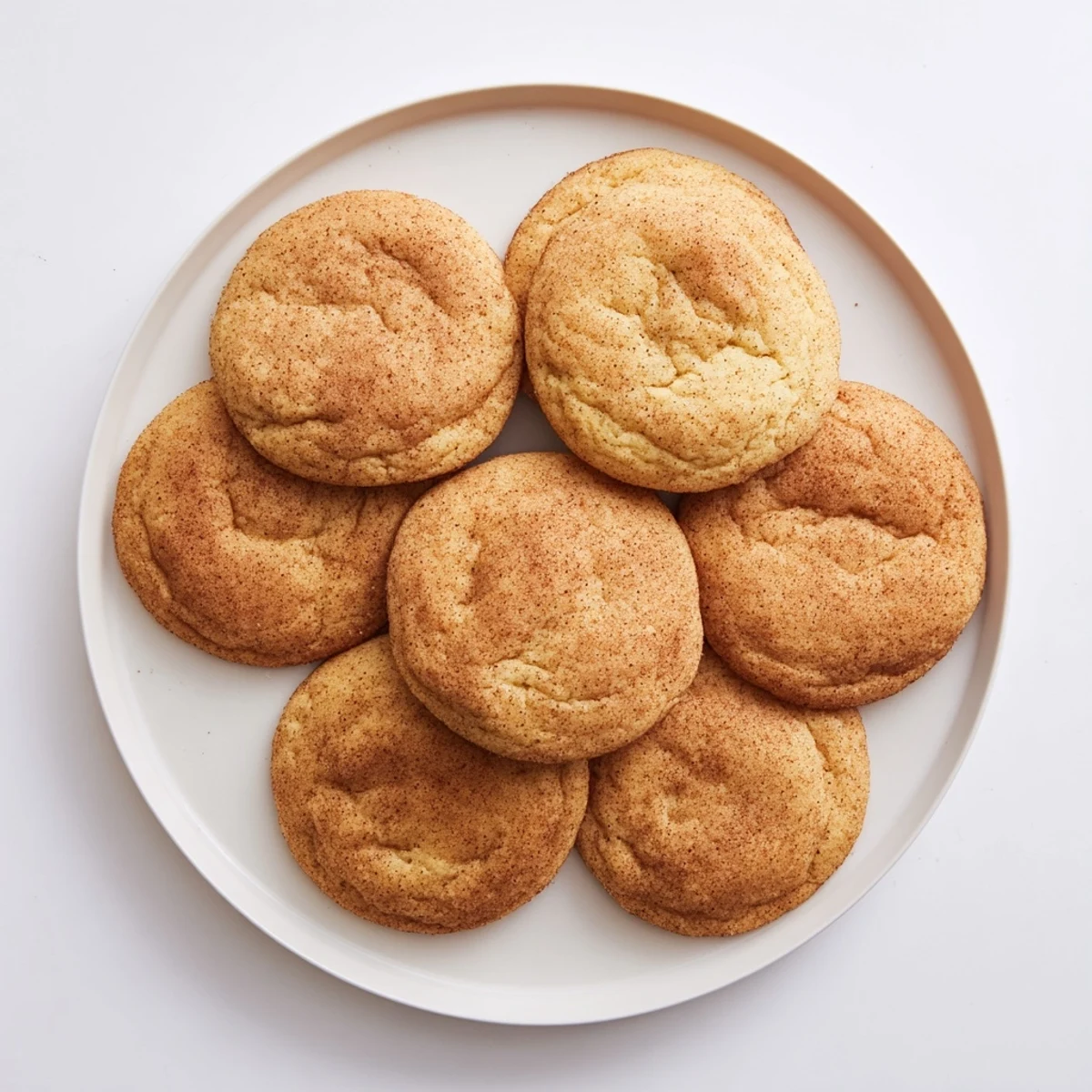
 Make a double batch because these vanish faster than you expect and you will want some left over for your afternoon coffee the next day.
Recipe Q&A Section
- → What makes snickerdoodles different from sugar cookies?
-
The key differences are cream of tartar in the dough, which adds a subtle tangy flavor, and the signature cinnamon-sugar coating. Snickerdoodles also have a softer, chewier texture compared to traditional sugar cookies.
- → Why are my snickerdoodles flat?
-
Flat cookies usually happen when the butter is too soft or the dough is warm. Chill the dough for 15-20 minutes before baking, and make sure your butter is softened but not melting. Also measure flour accurately by spooning it into measuring cups rather than dipping directly.
- → Can I make snickerdoodle dough ahead of time?
-
Absolutely! You can refrigerate the dough for up to 3 days before baking. Form the balls and coat them in cinnamon sugar just before baking. The dough can also be frozen for up to 3 months—thaw overnight in the refrigerator then bring to room temperature before baking.
- → What if I don't have cream of tartar?
-
You can substitute 2 teaspoons of baking powder for the cream of tartar and baking soda combination. However, cream of tartar provides that classic snickerdoodle tang, so the flavor will be slightly different without it.
- → How do I know when snickerdoodles are done baking?
-
The cookies are done when the edges are set and lightly golden but the centers still look slightly soft and underbaked. They'll continue cooking on the hot baking sheet. This technique ensures that perfectly chewy texture once cooled.
- → Why do snickerdoodles crack on top?
-
The crackled surface is actually desirable! It happens because the cinnamon-sugar coating creates a dry outer crust while the buttery dough expands in the oven. This contrast causes the surface to crack, giving snickerdoodles their characteristic appearance.