
 Pin it
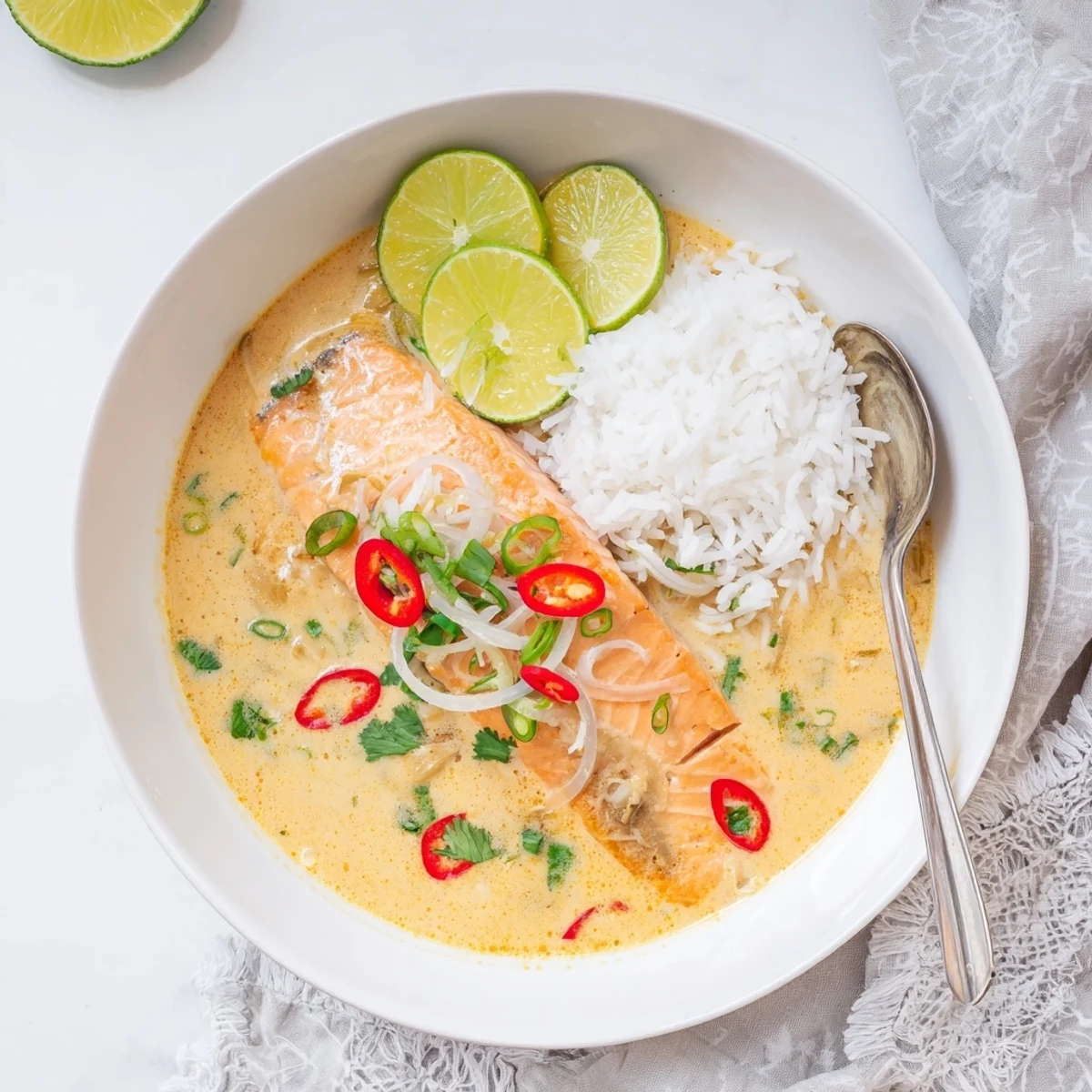
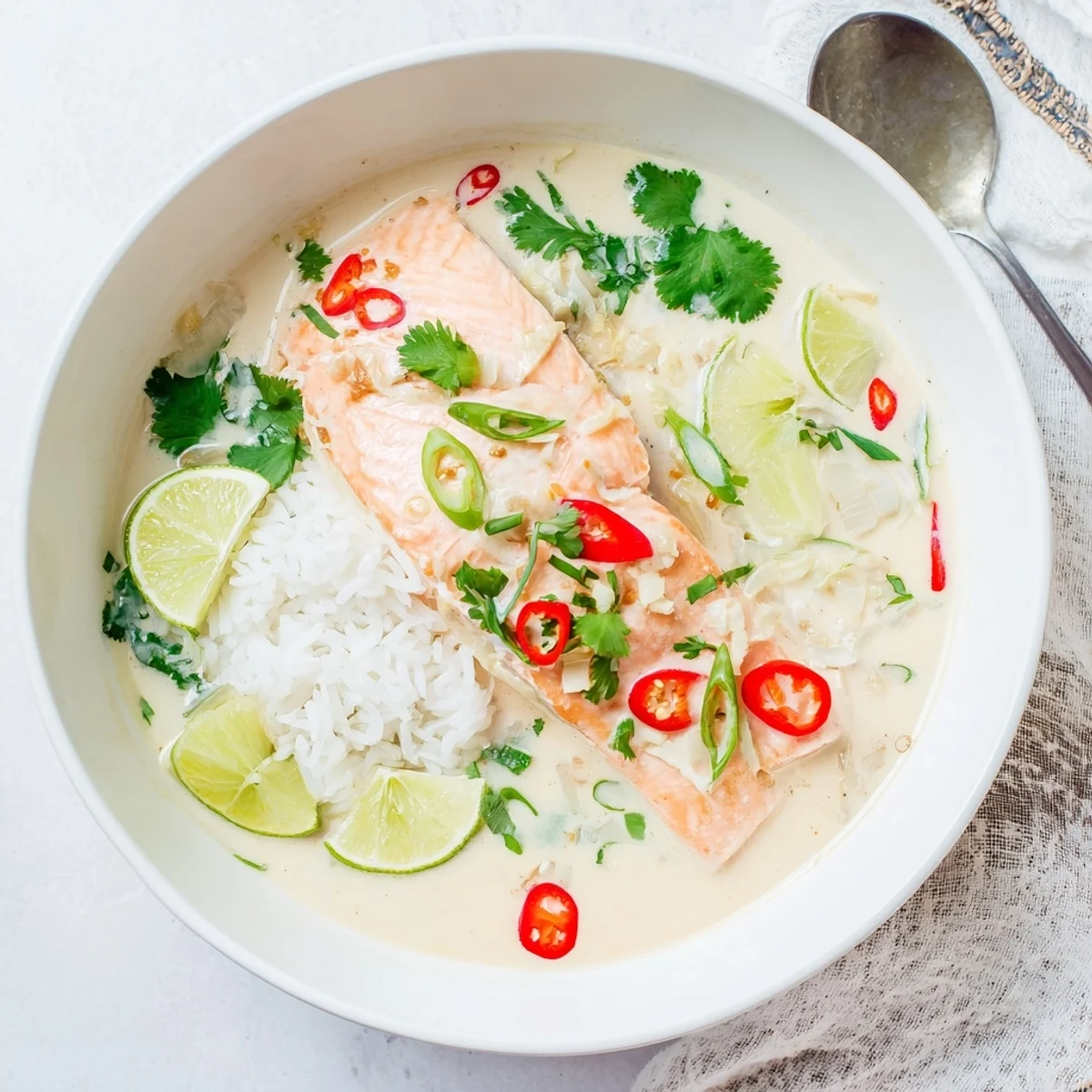
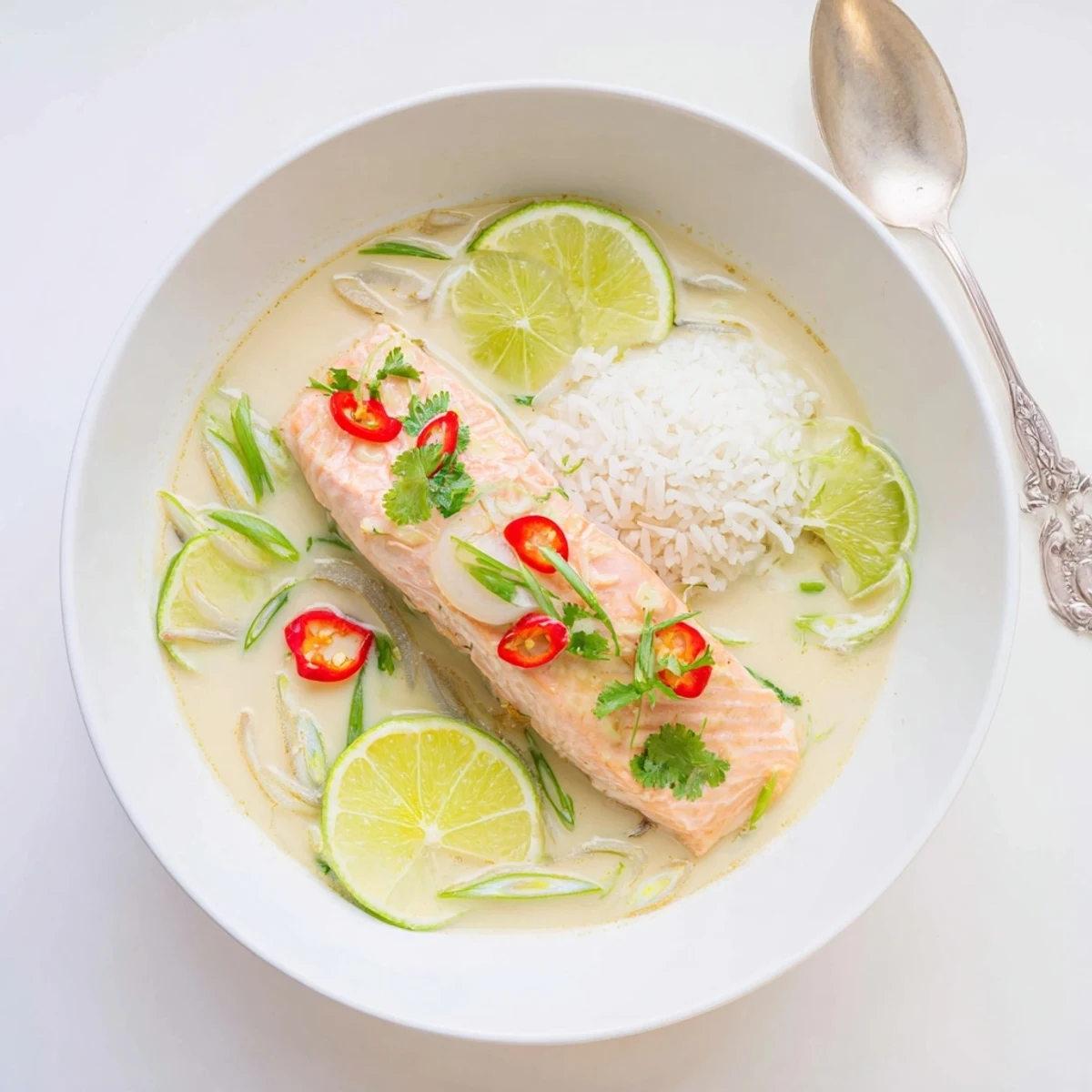
 Silky salmon fillets are gently poached in a fragrant coconut-lime broth infused with grated ginger, garlic and a hint of red chili. Simmer for about 10–12 minutes until the fish flakes easily; finish with chopped cilantro and sliced spring onions. Serve the broth with jasmine rice or rice noodles for a bright, nourishing main that comes together in 30 minutes and suits gluten- and dairy-free diets. Adjust lime, fish sauce and soy to taste, and fold in bell pepper or snap peas for extra crunch.
The evening I first made coconut lime poached salmon, the house filled with a perfume as subtle as it was inviting—a gorgeous mix of sweet coconut and tangy lime. I still remember the faint sizzle as onion and ginger met hot oil, mingling with the sounds of clattering utensils and the anticipation of a comforting meal. There was nothing elaborate about it, but something about the gentle poaching, the creamy broth, felt instantly restorative. Even my neighbor, lured by the aroma, stopped by “just for a chat” and ended up leaving with a bowl in hand.
One drizzly spring day I cooked this for friends who arrived looking tired and slightly damp, and the bright, citrusy steam from the pot actually made them smile before they’d even had a bite. It’s a recipe that practically invites you to linger at the table, soaking up every bit of sauce with rice or just a spoon.
Ingredients
- Salmon fillets: Choose fresh, skinless fillets for the most tender result—if they’re still a little chilled from the fridge, they hold their shape well when poaching.
- Onion: Thinly sliced so it melts into the broth, lending a mellow sweetness.
- Garlic: Mince it fine so it disappears into the sauce and doesn’t overpower.
- Ginger: Grating releases the most oils and fills the air with that signature warmth.
- Red chili: Totally optional, but the pops of heat and color always remind me of Thai street stalls.
- Coconut milk: Use full-fat for a velvety texture; low-fat never gave me the same satisfaction.
- Chicken or vegetable broth: Adds savoriness to balance the richness—vegetable broth if you want it lighter.
- Lime (juice & zest): Zest first, then juice, so you don’t struggle with squishy fruit; the fragrance is worth the extra minute.
- Fish sauce: Salty, mysterious, and completely transforms the broth—don’t overdo it at first.
- Soy sauce or tamari: Depth and umami, and tamari keeps the dish gluten-free with all the flavor.
- Sugar or honey: Just a whisper of sweetness to smooth out the acidity.
- Fresh cilantro: Sprinkled just before serving, it brings brightness and a bit of herbal crunch.
- Lime wedges: Serve alongside for anyone who loves an extra tart kick.
- Spring onions: Sliced thin—add them at the end for a fresh bite.
- Jasmine rice or rice noodles: Not optional for me; they soak up the broth beautifully.
Instructions
- Sauté Aromatics:
- Add a slick of oil to your biggest skillet, listen for the gentle hiss as onion, garlic, ginger, and chili go in, and stir until everything smells rich and mellow, about three minutes in.
- Create the Broth:
- Pour in coconut milk and broth, then scatter in lime zest and juice, fish sauce, soy sauce, and sugar—watch the creamy swirl and scrape up anything golden at the bottom.
- Poach the Salmon:
- Slide the salmon into the simmering pool, cover, and reduce the heat; peek after ten minutes to see if it flakes with a fork and looks moist and just cooked.
- Season & Taste:
- Ladle up a spoonful of broth and adjust for tang or salt, adding another hit of lime or a splash more soy if your tastebuds say so.
- Plate & Finish:
- Ladle fish and broth over bowls of rice or noodles, tossing on cilantro, spring onions, and plenty of lime wedges right before you serve.
 Pin it
 It stopped feeling like just another weeknight dinner the first time I saw everyone go silent over those fragrant bowls, then burst out laughing at how much broth we all slurped in a hurry. I swear even the quietest guest asked for seconds.
Perfect Pairings for Every Mood
A crisp Sauvignon Blanc highlights the lime and coconut, while a dry Riesling makes those chili notes sing. For no-alcohol evenings, iced jasmine tea feels just as special—plus, you can taste every herb and citrus note in the dish.
Kitchen Clean-Up That Sings
The single-pan approach means you won’t be left with a mountain of dishes—when you plate right out of the skillet, cleanup is a breeze and everyone eats piping hot food.
Making It Your Own—Easy Tweaks
Each time I make this, I throw in handfuls of snap peas or bell peppers for a little crunch and extra color. You can even swap rice noodles for jasmine rice depending on your mood or what’s in the pantry.
- Stir in frozen peas at the end for a pop of green.
- Coconut aminos work well as a soy-free swap if needed.
- Always taste the broth before serving—small adjustments make it perfect.
 Pin it
 Poaching salmon this way never fails to impress—even when I’m only cooking for myself. I hope your kitchen fills with as many delicious aromas and happy moments as mine always does.
Recipe Q&A Section
- → How long should I poach the salmon?
-
Poach fillets gently for about 10–12 minutes over low-medium heat, depending on thickness. The fish is done when it flakes easily and the center is opaque but still moist.
- → Can I use skin-on salmon?
-
Yes. Leave the skin on and place the fillets skin-side down in the poaching liquid. It may take an extra 1–3 minutes; remove the skin before serving if you prefer.
- → Is light coconut milk okay to use?
-
Light coconut milk will thin the broth and reduce richness. Use it for a lighter finish, but expect a less creamy texture; full-fat coconut milk gives a silkier mouthfeel.
- → How can I make the dish spicier?
-
Increase the sliced red chili, add a spoonful of chili paste or a pinch of crushed red pepper. Add heat gradually and taste, since the coconut milk tempers spice.
- → What vegetables pair well in the poaching liquid?
-
Sliced bell pepper, snap peas, baby bok choy or thinly sliced carrots work well. Add quick-cooking vegetables in the last few minutes so they stay crisp-tender.
- → How should leftovers be stored and reheated?
-
Cool quickly, refrigerate in an airtight container for up to 48 hours. Reheat gently over low heat in a saucepan until warmed through to avoid overcooking the salmon; add a splash of broth if needed.
- → What are good serving suggestions and pairings?
-
Serve over jasmine rice or rice noodles with extra lime wedges, cilantro and spring onions. A crisp Sauvignon Blanc or dry Riesling complements the citrus and coconut notes.