
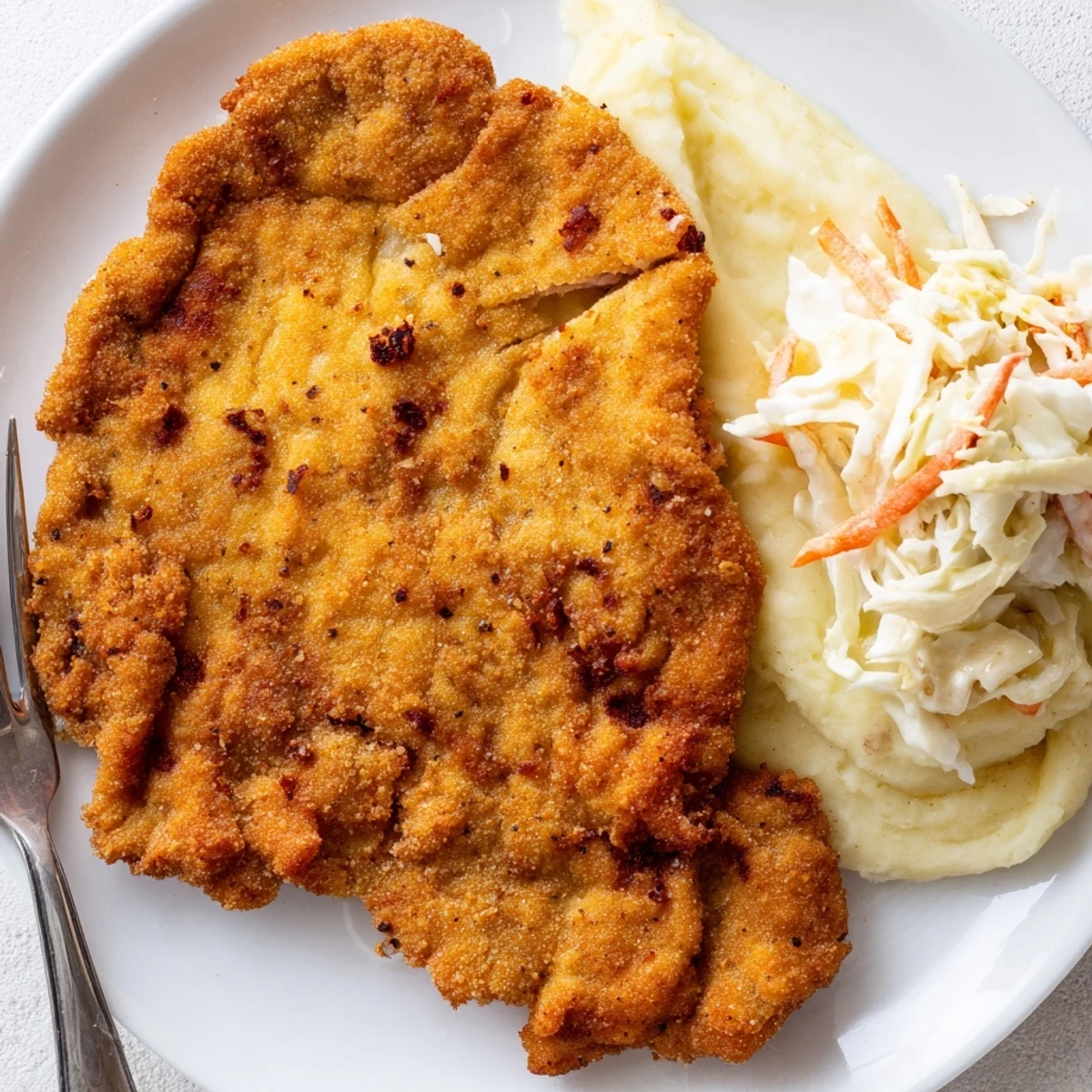
 Pin it
 Start by pounding boneless, skinless breasts to an even 1/2-inch thickness and soak them in buttermilk with a pinch of salt and pepper to tenderize. Press a seasoned mix of flour and cornstarch onto each piece for a crisp coating. Heat oil to 350°F and fry in batches 6–7 minutes per side until golden and cooked through. Rest briefly before serving.
The sizzle of chicken hitting hot oil is one of those sounds that instantly pulls people into the kitchen, and my household is no exception. One rainy Saturday my neighbor knocked on the door asking what smelled so good, and she ended up staying for dinner. That crunchy golden crust with the impossibly juicy center has a way of turning an ordinary afternoon into something worth remembering.
My youngest once told me this chicken was better than any restaurant, which honestly might have been the sweetest compliment I have ever received. I have since made it for potlucks, birthday dinners, and even a slightly over the top Tuesday night just because.
Ingredients
- Chicken breasts: Four boneless skinless pieces pounded to half an inch cook quickly and stay juicy throughout.
- Buttermilk: One cup tenderizes the meat while adding a subtle tang that pairs beautifully with the seasoned coating.
- Salt and black pepper for brine: One teaspoon salt and half teaspoon pepper dissolved in the buttermilk seasons the chicken from the inside out.
- All purpose flour: One cup forms the sturdy base of the coating that browns evenly and holds onto every spice.
- Cornstarch: Half cup is the real secret here, it creates a lighter crispier crust than flour alone ever could.
- Paprika: One teaspoon adds warm color and a gentle sweetness that rounds out the savory flavors.
- Garlic powder: One teaspoon brings a quiet depth without the risk of burning that fresh garlic can cause in hot oil.
- Cayenne pepper: Half teaspoon is optional but gives a pleasant background heat that most people do not expect.
- Salt and black pepper for coating: One teaspoon salt and half teaspoon pepper ensure the crust itself is well seasoned and satisfying on its own.
- Vegetable oil: About two cups for frying, enough to reach halfway up the chicken for an even golden fry.
Instructions
- Pound and prepare:
- Slide each chicken breast between two sheets of plastic wrap and give it firm even whacks with a mallet until it reaches about half an inch thick, which helps it cook uniformly without drying out.
- Make the buttermilk bath:
- Whisk together the buttermilk, salt, and pepper in a bowl wide enough to hold all four breasts, then submerge the chicken completely and let it soak for at least thirty minutes or cover and refrigerate up to four hours for the most tender result.
- Mix the seasoned coating:
- In a separate wide bowl or shallow dish, combine the flour, cornstarch, paprika, garlic powder, cayenne if you are using it, salt, and pepper, stirring until everything is evenly distributed and no clumps remain.
- Dredge with intention:
- Pull each breast from the buttermilk, let the excess drip off for a second, then press it firmly into the flour mixture on all sides so the coating really grabs on and creates those irresistible little crunchy edges.
- Heat the oil:
- Pour the oil into a large skillet or deep pan and bring it up to 350 degrees Fahrenheit, which you can check with a thermometer or by dropping in a tiny pinch of flour that should sizzle immediately without smoking.
- Fry until golden:
- Lower the chicken into the oil carefully, working in batches so the pan is not crowded, and cook six to seven minutes per side until the crust is deep golden and the internal temperature reads 165 degrees Fahrenheit.
- Rest and serve:
- Transfer the finished pieces to a plate lined with paper towels and let them rest two to three minutes, which locks in the juices before you slice and serve.
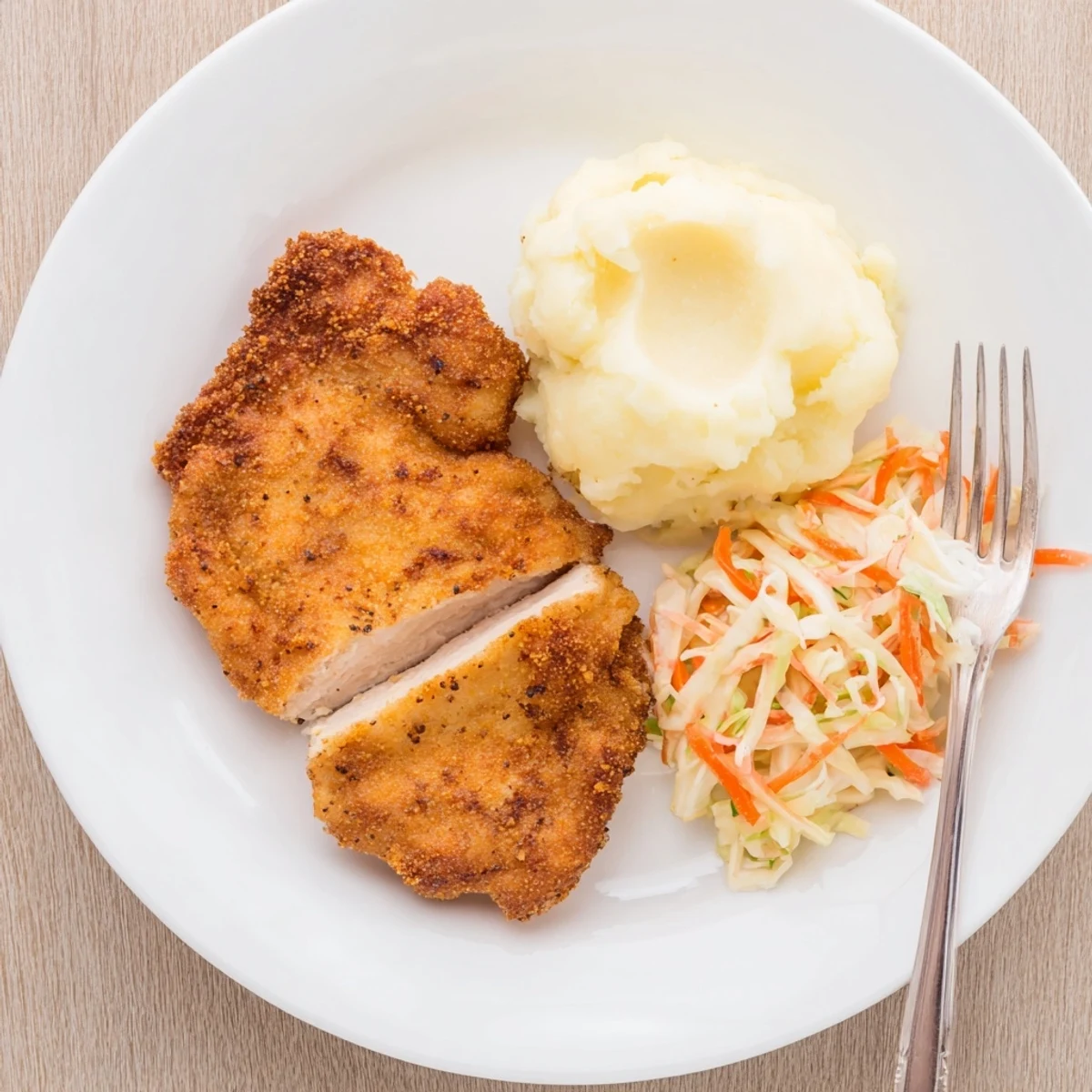 Pin it
 There is something deeply satisfying about pulling perfectly golden chicken from a skillet and watching everyone gather around the counter before it even makes it to a plate.
Best Ways to Serve It
Piled onto a soft sandwich roll with pickles and a swipe of mayo, this chicken becomes the meal everyone requests by name. It also shines next to creamy mashed potatoes or a bright crunchy coleslaw that cuts through the richness beautifully.
Making It Your Own
Sometimes I double the cayenne when I am feeling bold, or swap in smoked paprika for a deeper earthy flavor that surprises people in the best way. You can even tuck a piece of pepper jack cheese on top right after frying and let it melt into the crust for a spicy twist.
Getting Ahead and Storing Leftovers
The buttermilk marinade actually improves with time so you can prep the chicken the night before and just coat and fry when you are ready. Leftover pieces reheat surprisingly well in a 375 degree oven for about ten minutes and taste almost as good as fresh.
- Store leftovers in an airtight container in the refrigerator for up to three days.
- Never microwave fried chicken if you want to keep the crust intact.
- Always check your oil temperature between batches to maintain consistent results.
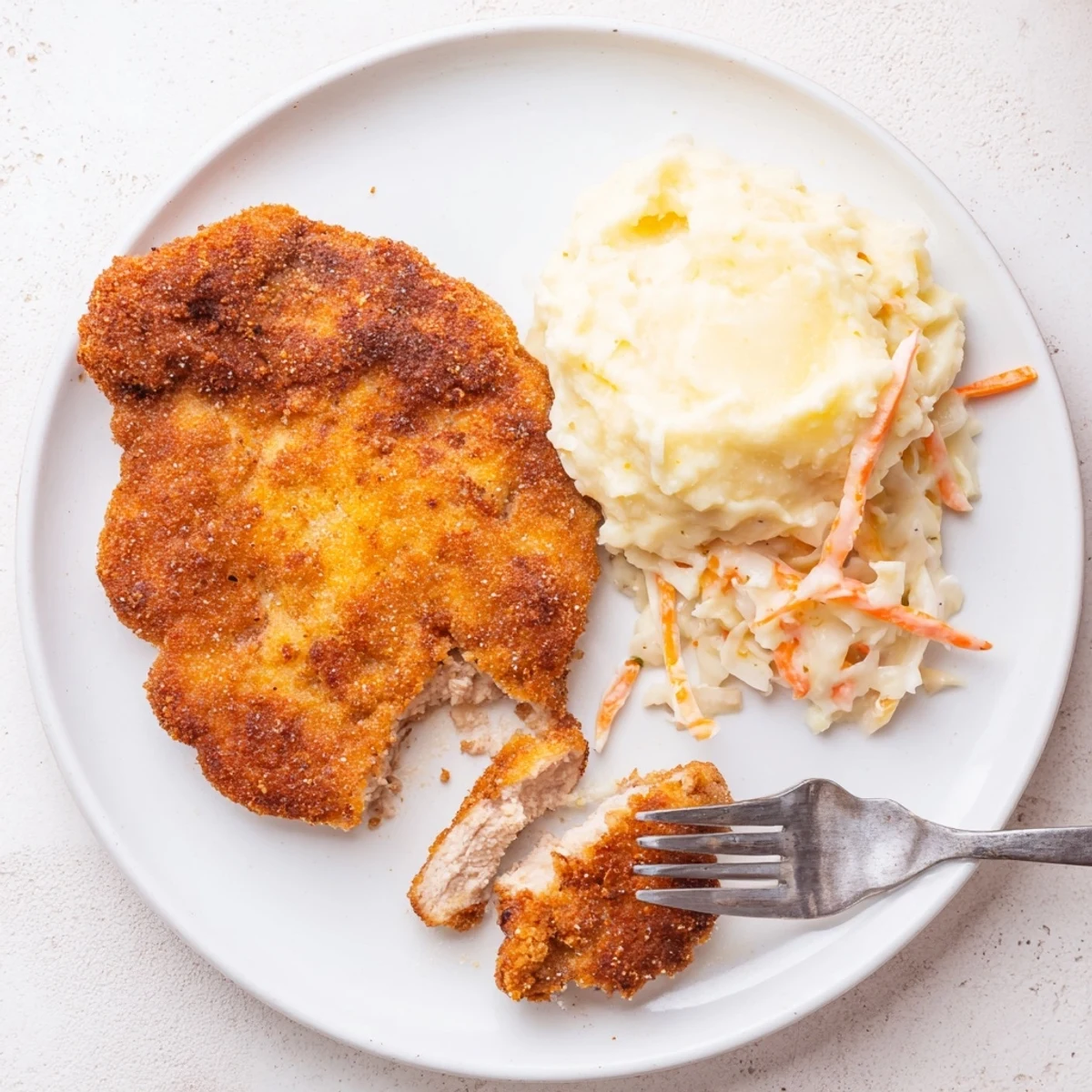 Pin it
 Once you master this recipe you will never look at frozen chicken tenders the same way again. Share it with someone who thinks they cannot cook and watch their confidence bloom.
Recipe Q&A Section
- → How long should I marinate the chicken in buttermilk?
-
Marinate for at least 30 minutes to loosen proteins and add tenderness. For noticeably juicier results, refrigerate 2–4 hours or overnight; longer soaks yield softer texture and deeper flavor.
- → Why pound the breasts before cooking?
-
Pounding to an even 1/2-inch thickness ensures uniform cooking, reduces total cook time and helps the coating adhere. It also improves tenderness by breaking down fibers.
- → What gives the coating extra crunch?
-
Mixing cornstarch with flour, pressing the dredge firmly onto the meat and frying at a steady 350°F creates a light, crisp crust. Avoid overcrowding the pan so the oil temperature recovers between batches.
- → What oil temperature and frying time are best?
-
Heat oil to about 350°F (175°C). Fry chicken breasts 6–7 minutes per side, depending on thickness, until the exterior is golden and the interior reaches safe doneness.
- → How can I tell the chicken is fully cooked?
-
Use a thermometer: the internal temperature should reach 165°F (74°C). Alternatively, slice the thickest part to check that juices run clear and the meat is opaque throughout.
- → What's the best way to store and reheat leftovers?
-
Cool to room temperature, then refrigerate in an airtight container up to 3 days. Reheat in a 350°F oven or in an air fryer to restore crispness rather than microwaving, which softens the coating.