
 Pin it
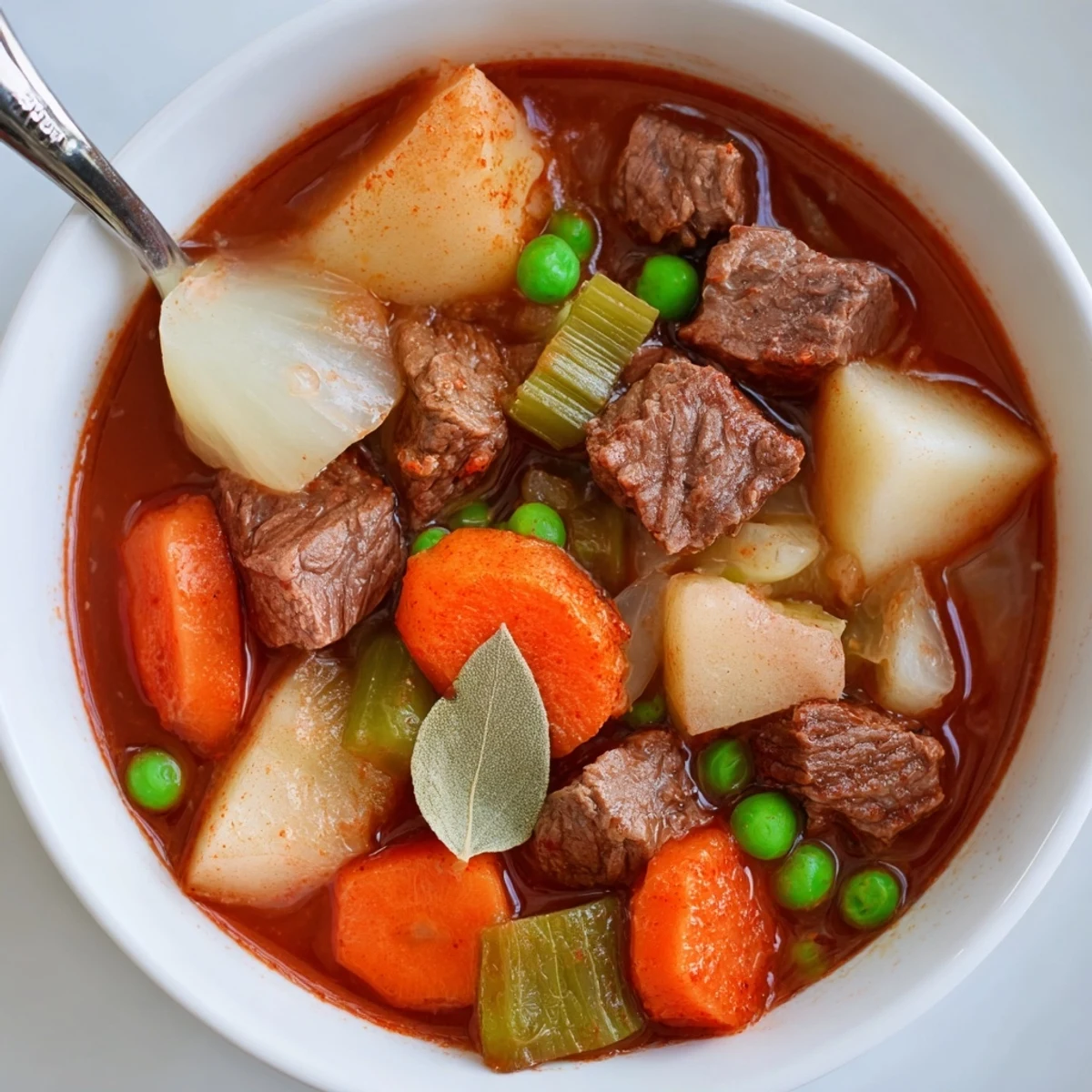
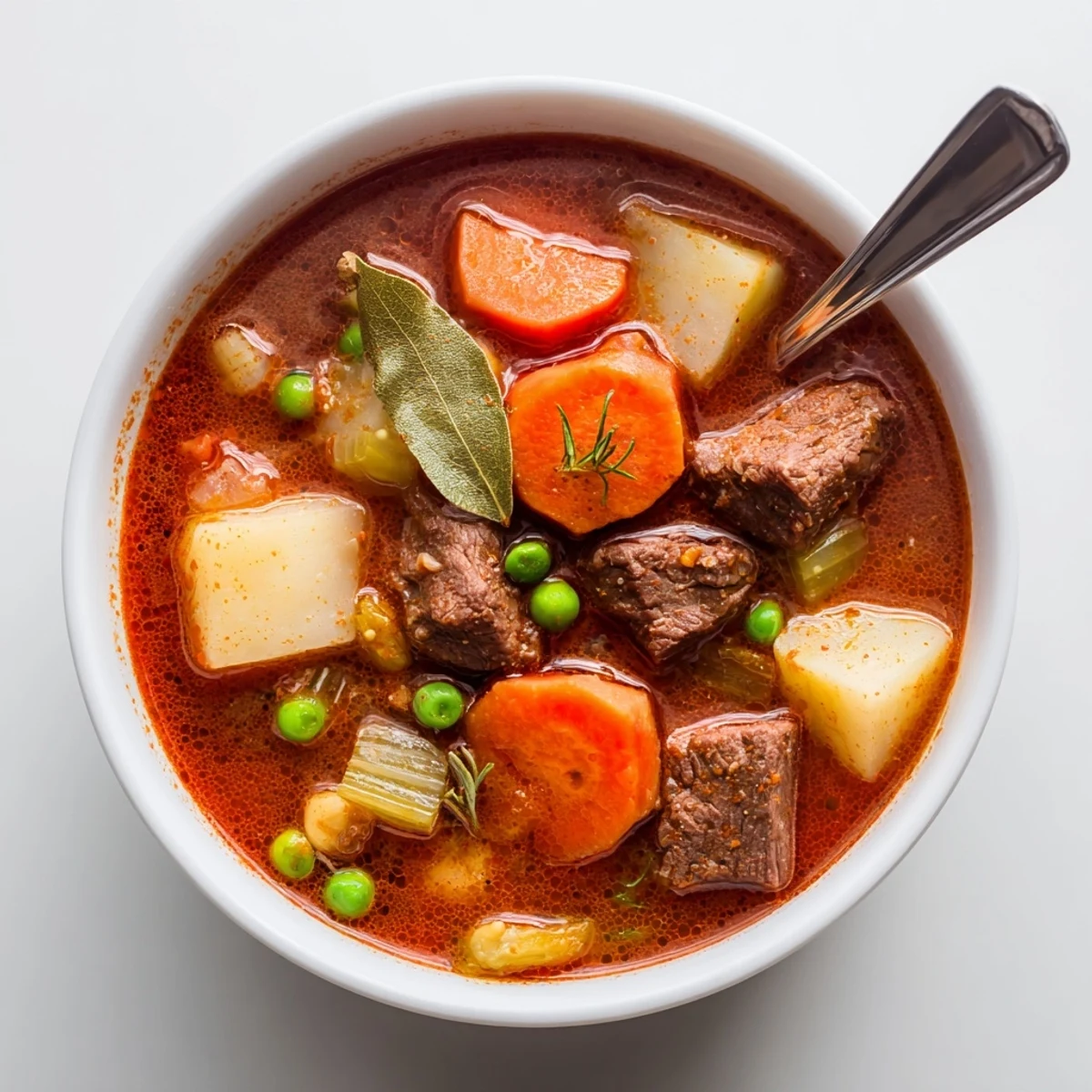
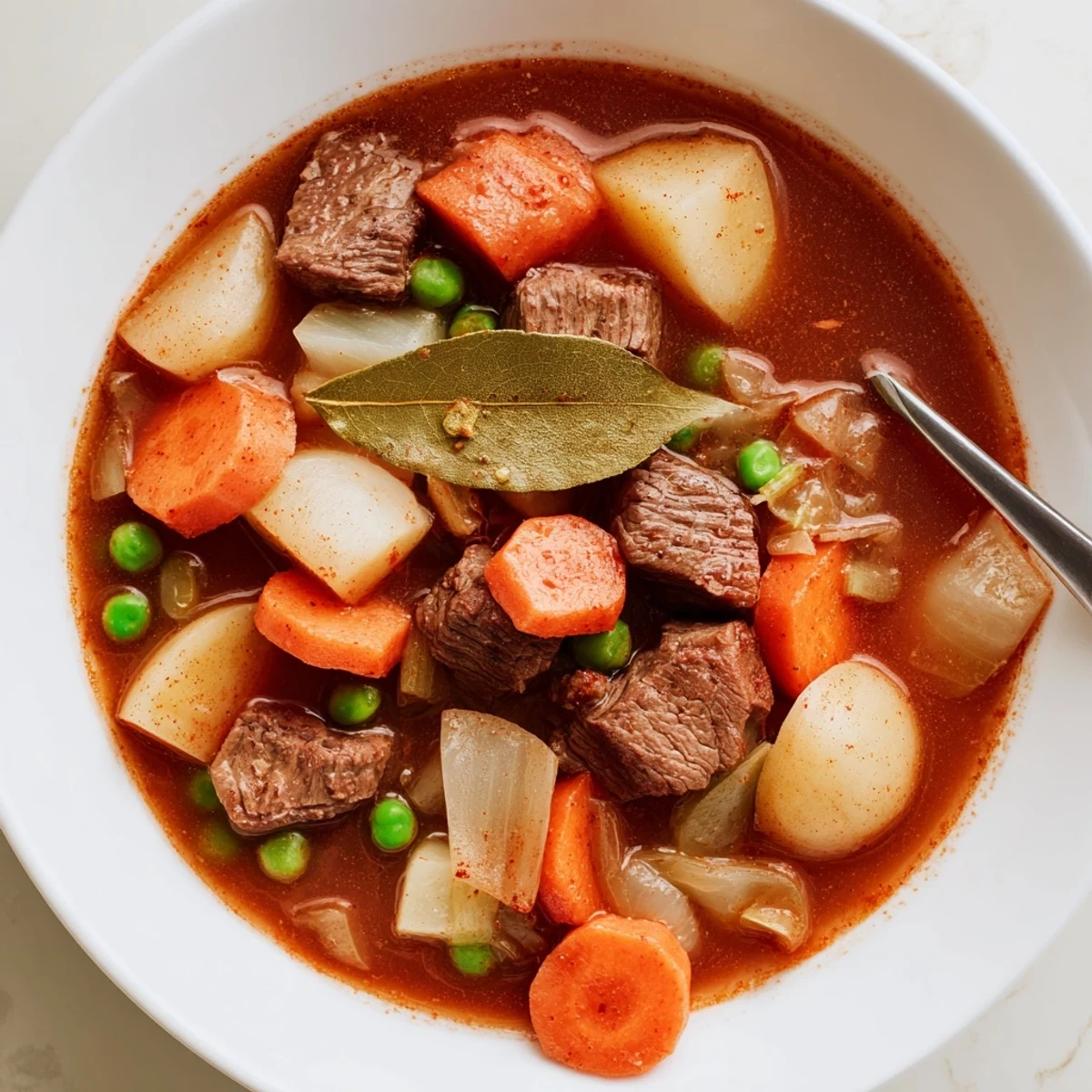
 Brown seasoned beef in batches, then sauté onion and garlic until softened. Stir in flour and tomato paste, deglaze with red wine or extra stock, and return beef to the pot. Add carrots, potatoes, celery, bay leaves, thyme and beef stock. Simmer covered about 2 hours, then add peas and cook uncovered 15 minutes until meat and vegetables are tender and sauce is thickened. Finish with salt and pepper, a splash of Worcestershire or balsamic for depth, and serve hot with crusty bread or buttered noodles. Makes about six servings; best made ahead as flavors deepen overnight.
The first snowfall had just started when I decided this beef stew needed to happen. Something about those fat flakes drifting past the window made me crave that slow-cooked comfort, the kind that fills your whole kitchen with warmth and makes time feel slower, somehow. I've made this recipe more times than I can count, but that snowy afternoon version still stands out as perfect.
My grandmother used to say that stew was patience you could eat. She'd start hers in the morning and let it bubble away while she went about her day, checking on it occasionally with that knowing smile that meant she understood something about taking things slow. Now I understand exactly what she meant.
Ingredients
- Beef chuck: This cut has perfect marbling that breaks down during long cooking, becoming incredibly tender and flavorful
- Carrots and potatoes: These absorb all that savory broth and become sweet, creamy bites throughout the stew
- Red wine: Adds depth and complexity, though extra stock works perfectly if you prefer not to use wine
- Tomato paste: Concentrates into a rich base that gives the stew its gorgeous deep color and subtle sweetness
- Dried thyme and bay leaves: Classic herbs that meld together to create that unmistakable stew flavor we all crave
Instructions
- Get your beef beautifully browned:
- Pat those cubes dry and season them generously before searing in hot oil, working in batches so each piece gets proper contact with the pot. This step creates those browned bits on the bottom that become the foundation of incredible flavor.
- Build your flavor base:
- Sauté your onions and garlic until they're soft and fragrant, then stir in the flour and tomato paste. Let this cook for just a minute to cook out the raw flour taste and deepen that tomato flavor.
- Bring everything together:
- Pour in the wine while scraping up all those precious browned bits from the bottom of the pot. Return the beef and add all your vegetables, stock, and herbs, giving everything a good stir to combine.
- Finish with care:
- Uncover and add those frozen peas, letting everything simmer for about 15 more minutes until the stew has thickened beautifully. Remove bay leaves and taste for seasoning.
 Pin it
 This is the kind of recipe that turns a random Tuesday into something special. I've watched friends take that first spoonful and suddenly relax shoulders they didn't even realize were tense. There's something almost medicinal about a truly good beef stew.
Making It Your Own
After years of making this stew, I've learned that small adjustments can make it feel personal. Sometimes I add parsnips for extra sweetness, or throw in some pearl onions for that classic French touch. The recipe is forgiving and welcomes your own touches.
Serving Suggestions
Crusty bread is non-negotiable in my house, something with a good chewy crust to soak up every drop. Buttered noodles work beautifully too, and honestly, sometimes just a big bowl of stew with a simple green salad feels like the most perfect meal imaginable.
Making It Ahead
This stew was practically designed for meal prep. Make it on Sunday and you've got lunches that will have your coworkers asking what smells so amazing. The flavors only get better with a day or two in the refrigerator.
- Cool completely before refrigerating and store in airtight containers
- The stew will keep for 4 to 5 days in the refrigerator and freezes beautifully for up to 3 months
- Reheat gently over low heat, adding a splash of water or stock if it seems too thick
 Pin it
 There's nothing quite like lifting that lid after hours of simmering and seeing how something so simple can transform into something so deeply satisfying. This stew is comfort in its purest form.
Recipe Q&A Section
- → What cut of beef works best?
-
Beef chuck is ideal: it has good marbling and breaks down into tender pieces during long, slow simmering. Short ribs or brisket also work for deeper flavor.
- → How do I get a good brown crust on the beef?
-
Pat the cubes dry, season, and brown in batches over medium-high heat without overcrowding the pan. Use a hot heavy-bottomed pot and let the meat sit undisturbed to develop color and fond.
- → Can I skip the wine and still get depth?
-
Yes. Replace wine with extra beef stock and add a splash of balsamic or Worcestershire sauce near the end to build acidity and savory depth without alcohol.
- → How can I thicken the sauce, including gluten-free options?
-
For gluten-free thickening, dissolve cornstarch in cold water and stir in during the final simmer until glossy. Alternatively, use a beurre manié or reduce the liquid by simmering uncovered.
- → What are good make-ahead and storage tips?
-
Stew often improves after a day in the fridge as flavors meld. Cool completely, refrigerate up to 3 days or freeze portions for up to 3 months. Reheat gently on low heat, adding a splash of stock if needed.
- → What should I serve alongside?
-
Classic pairings include crusty bread, buttered noodles, or mashed potatoes to soak up the broth. A simple green salad or steamed greens balance richness.