
 Pin it
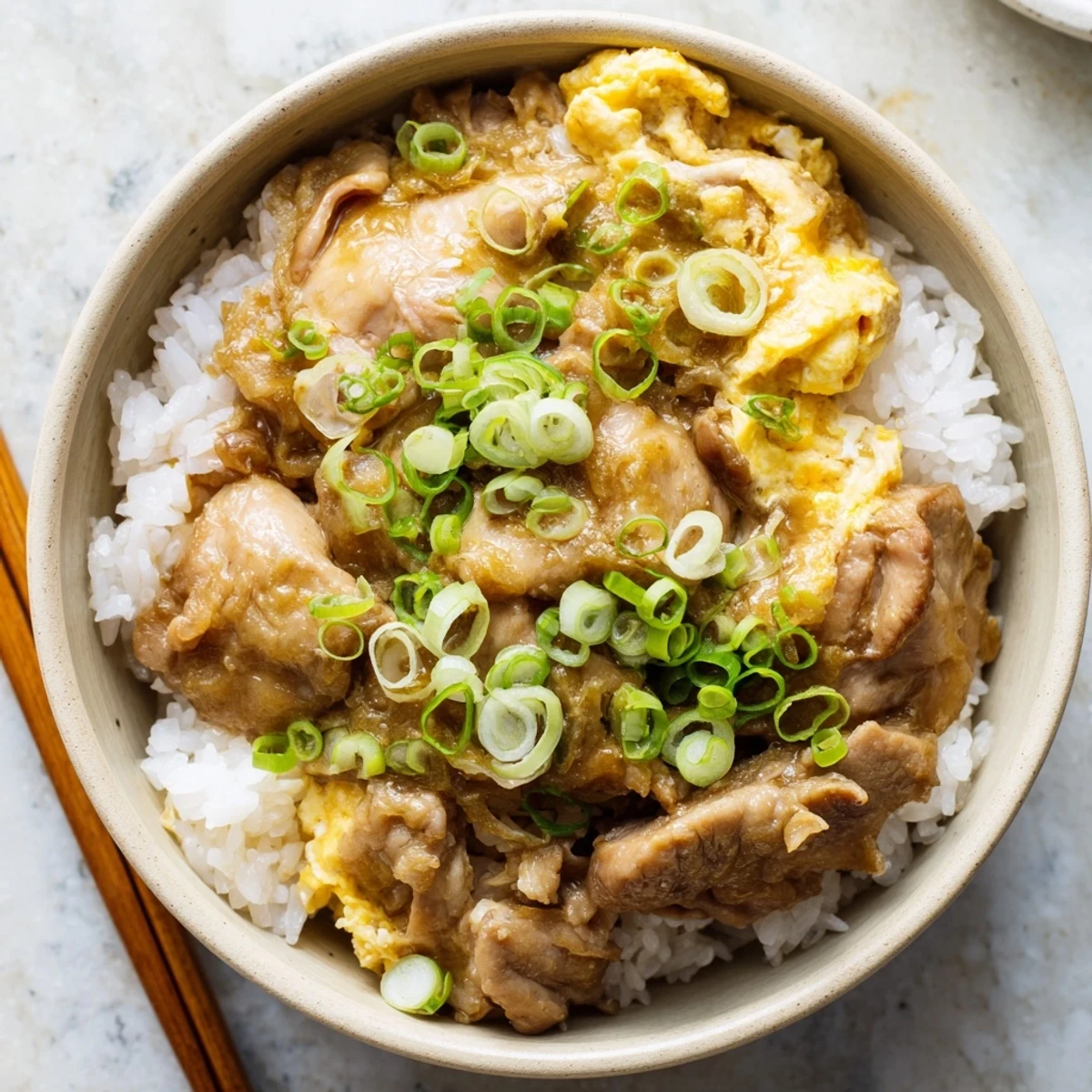
 Oyakodon is a beloved Japanese comfort food that brings together tender chicken thighs, sweet onions, and barely-set eggs in a flavorful dashi-based sauce. This one-bowl meal comes together in just 30 minutes, making it perfect for busy weeknights when you crave something satisfying and homemade.
The magic lies in the sauce—a balanced blend of dashi, soy sauce, mirin, sake, and sugar that creates that quintessential Japanese flavor profile. The key is timing: stop cooking while the eggs remain slightly runny, as they'll continue cooking from residual heat.
Serve over freshly steamed short-grain rice for the authentic experience, garnished with crisp spring onions and a sprinkle of shichimi togarashi if you enjoy a bit of heat.
The first time I had Oyakodon was in a tiny Tokyo restaurant tucked between a laundromat and a flower shop. I watched the chef slide that golden egg blanket over steaming rice, and something about the simple comfort of it stayed with me through years of trying to recreate that exact silky texture at home.
Last winter, my roommate walked in while I was simmering the sauce and said our apartment smelled like a proper Japanese kitchen. We ate standing up at the counter, too hungry to bother with plates, letting the steam fog up the windows while rain pattered against the glass.
Ingredients
- 2 boneless skinless chicken thighs: Thighs stay juicy and tender unlike breast which can dry out during simmering
- 3 large eggs: Room temperature eggs will pour more evenly and create that signature silky texture
- 1 small onion: Thin slices are essential here so they soften and sweeten as they cook down in the sauce
- 2 spring onions: These add a fresh sharp bite that cuts through the rich savory sweet sauce
- 120 ml dashi stock: Real dashi makes all the difference but good chicken broth works in a pinch
- 2 tbsp soy sauce: This provides the deep salty foundation of the dish
- 1 tbsp mirin: Mirin adds a gentle sweetness and gloss that you cannot replicate with sugar alone
- 1 tbsp sake: The alcohol cooks off but leaves behind a subtle depth that rounds out the sauce
- 1 tsp sugar: Just enough to balance the saltiness and highlight the natural sweetness of the onions
- 2 bowls cooked Japanese short grain rice: Short grain rice is crucial because its starch helps bind everything together
Instructions
- Make the sauce base:
- Whisk together the dashi stock soy sauce mirin sake and sugar until the sugar completely dissolves. This mixture becomes the soul of the entire dish.
- Soften the onions:
- Pour the sauce into a medium skillet and add the sliced onions. Let them simmer gently for about 4 minutes until they start becoming translucent and fragrant.
- Cook the chicken:
- Nestle the chicken pieces into the simmering sauce and onions. Cover the pan and let everything cook together for about 7 minutes turning the chicken once halfway through.
- Add the eggs:
- Lightly beat the eggs in a bowl and pour them evenly over the entire mixture. Cover and cook for just 1 to 2 minutes until the eggs are barely set.
- Assemble and serve:
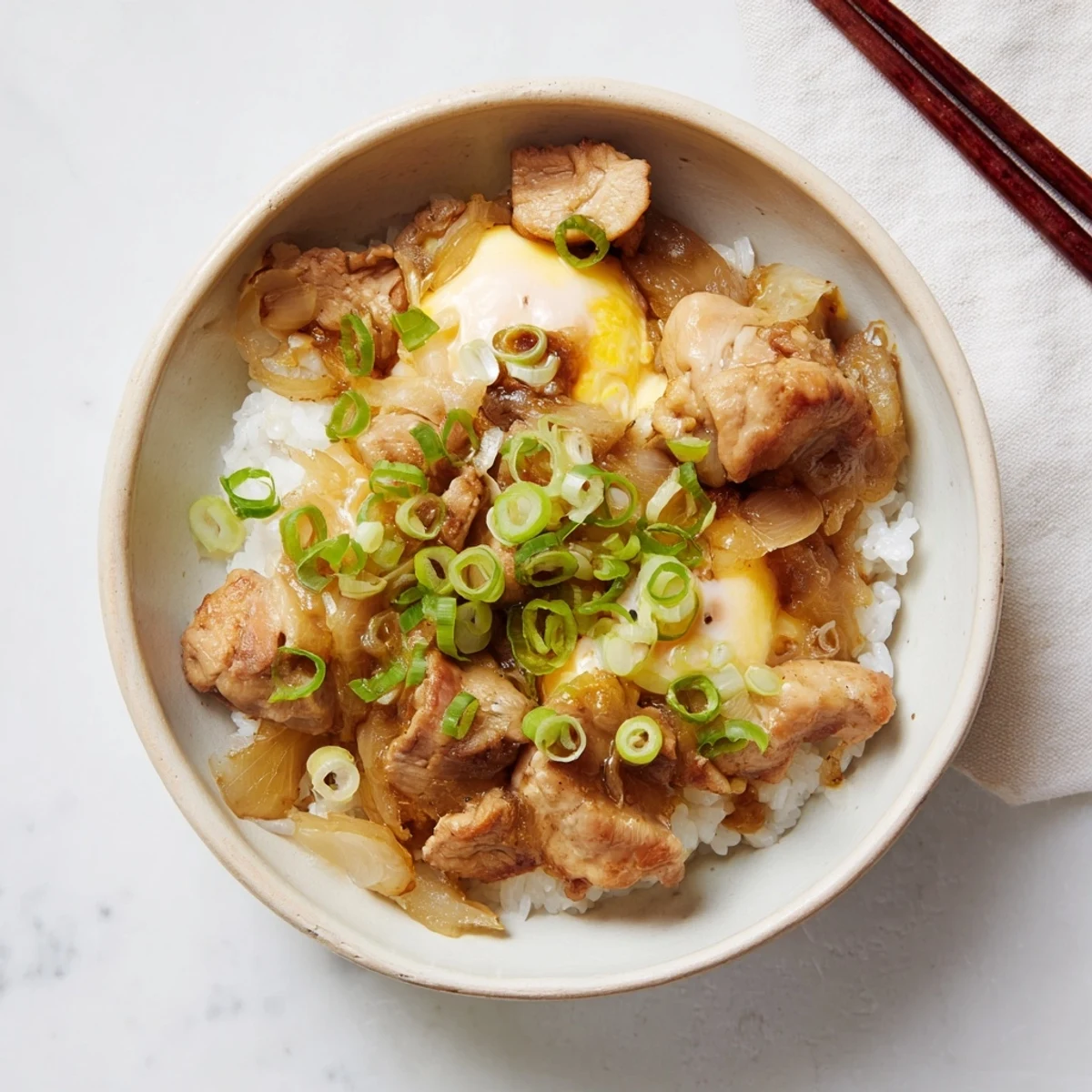
- Divide hot rice between two bowls and gently slide the chicken and egg mixture on top. Scatter with spring onions and serve while still steaming.
 Pin it
 This recipe became my go to cure for homesickness during my first year away from my family. Something about the combination of hot rice and soft eggs reminds me of meals cooked with love not precision.
Getting The Egg Texture Right
I spent months trying to figure out why my eggs always turned into rubbery curds instead of silky ribbons. The trick is pouring them in a slow circular motion and resisting the urge to stir. Let the sauce do the work.
Building Better Flavor
Once I started making my own dashi instead of using watered down broth the whole dish transformed completely. Good quality soy sauce matters too since it is one of only five ingredients in the sauce.
Making It Your Own
This is one of those forgiving recipes that adapts beautifully to whatever you have in the fridge or whatever mood you are in.
- Mushrooms add a lovely earthy note if you want to bulk up the vegetables
- A drizzle of chili oil over the top cuts through the richness perfectly
- Fresh shiso leaves instead of spring onions bring a whole different aromatic quality
 Pin it
 There is something deeply satisfying about a dish that turns simple ingredients into something that feels like a proper meal. This is the kind of recipe that becomes part of your regular rotation not because it is fancy but because it just works.
Recipe Q&A Section
- → What does oyakodon mean?
-
Oyakodon translates to "parent-and-child bowl" in Japanese, referring to the combination of chicken (the parent) and eggs (the child) served together over rice.
- → Can I use chicken breast instead of thighs?
-
Yes, chicken breast works well and creates a leaner version. Just be careful not to overcook it, as breast meat dries out faster than thighs. Reduce the simmering time by 1-2 minutes.
- → What can I substitute for dashi stock?
-
Low-sodium chicken broth makes an excellent substitute for dashi stock. Vegetable broth also works if you prefer a lighter flavor. The key is maintaining that savory umami base.
- → How runny should the eggs be?
-
The eggs should be just set but still slightly runny when you remove the pan from heat. They'll continue cooking from residual heat and achieve the perfect custard-like texture by the time you serve.
- → Is this dish gluten-free?
-
Traditional oyakodon contains soy sauce, which typically includes wheat. For a gluten-free version, use tamari or coconut aminos instead of regular soy sauce, and verify your mirin and sake are gluten-free.
- → Can I make oyakodon ahead?
-
Oyakodon is best served immediately, as the eggs continue to set and lose their ideal texture. However, you can prepare the sauce and chop ingredients in advance. Cook everything just before serving for the best results.