
 Pin it
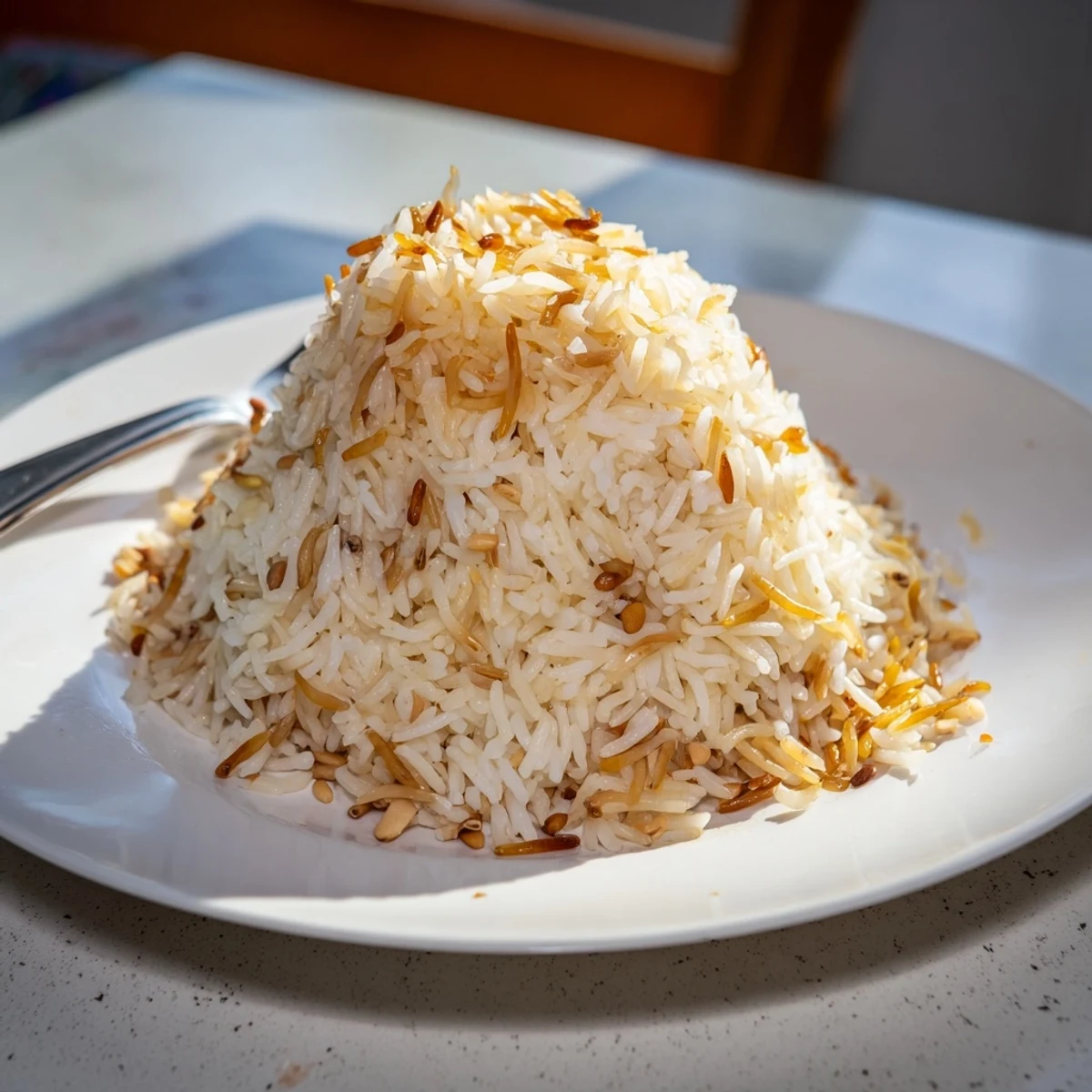
 Lebanese rice is a fragrant, fluffy side dish made by toasting vermicelli noodles in butter until golden, then simmering with long-grain white rice. The result is perfectly separated, buttery grains with a subtle nutty flavor from the browned pasta.
Ready in just 30 minutes with pantry staples, it pairs beautifully with grilled meats, stews, or roasted vegetables. The technique of rinsing the rice and toasting the vermicelli is key to achieving that signature light, airy texture.
The sound of vermicelli hitting hot butter is something between a crackle and a whisper, and once you hear it in your own kitchen, you will chase it forever. My neighbor Hala brought a container of this rice to a backyard barbecue three summers ago, and I stood by the cooler eating it cold, unable to stop. It took me four attempts to get the noodle browning right without scorching, but those failures were worth every bite.
I started making this weekly after my friend Rami teased me for serving plain steamed rice with lamb kofta. He was right to call me out, and this recipe has been my apology dish ever since.
Ingredients
- Long grain white rice (1 cup): Basmati works beautifully here because the grains stay separate and fluffy, but jasmine will do in a pinch.
- Vermicelli noodles (1/2 cup, broken into 1 inch pieces): These little golden strands are the soul of the dish, so snap them into uneven pieces for the best texture.
- Unsalted butter (2 tablespoons): This is not the place to skimp, since the butter toasts the noodles and coats every grain of rice.
- Olive oil (1 tablespoon): A small amount keeps the butter from browning too fast and adds a subtle fruitiness.
- Water or broth (2 cups): Use chicken broth if you want deeper flavor, but water lets the toasted vermicelli shine on its own.
- Salt (1 teaspoon): Season the cooking liquid generously because the rice absorbs it all.
- Ground white pepper (1/4 teaspoon, optional): A gentle warmth without the flecks of black pepper, perfect if you want a cleaner look.
Instructions
- Rinse until clear:
- Put the rice in a fine mesh sieve and run cold water over it, swirling with your hand, until the water runs completely clear. This removes surface starch so the grains do not clump together.
- Melt and warm:
- Set a medium saucepan over medium heat and add the butter and olive oil, letting them melt together until the butter foams slightly. The oil prevents the butter from burning while still giving you that rich dairy flavor.
- Toast the vermicelli:
- Add the broken vermicelli and stir constantly for two to three minutes until the pieces turn a deep golden brown. Watch them like a hawk because they move from perfect to burnt in seconds.
- Coat the rice:
- Add the drained rice and stir gently for about a minute so every grain gets slick with butter. You will hear a soft crackle as the rice toasts slightly.
- Add liquid and season:
- Pour in the water or broth, add the salt and white pepper, and let it come to a rolling boil. Stir once to distribute everything evenly, then stop touching it.
- Simmer covered:
- Reduce the heat to the lowest setting, cover with a tight lid, and set a timer for 15 minutes. Do not lift the lid, peek, or stir during this time.
- Rest off the heat:
- Remove the saucepan from the burner but keep the lid on for five full minutes. This resting period lets the steam finish cooking the rice gently.
- Fluff and serve:
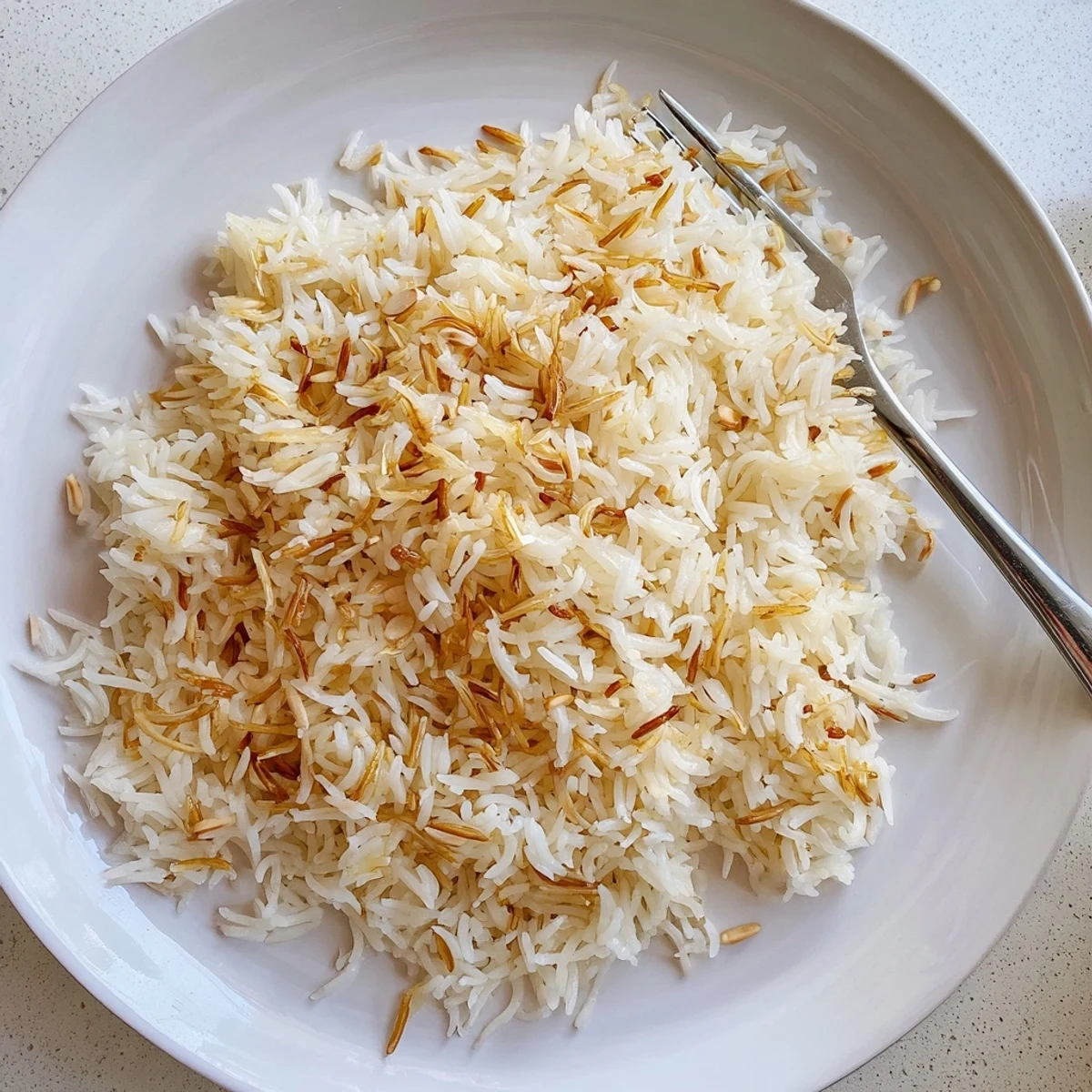
- Use a fork to gently lift and separate the grains, working from the edges toward the center. Serve immediately while the vermicelli still has its toasty aroma.
 Pin it
 The first time I served this to my mother in law, she paused after one bite, looked at me, and said nothing for a long moment. Then she asked for a second helping, and I knew I had finally won her over.
Getting the Noodle Color Right
The color of your toasted vermicelli determines the depth of flavor in the entire pot. Aim for the shade of a walnut shell, not a chestnut, because the noodles keep cooking once the liquid hits them.
Making It Your Own
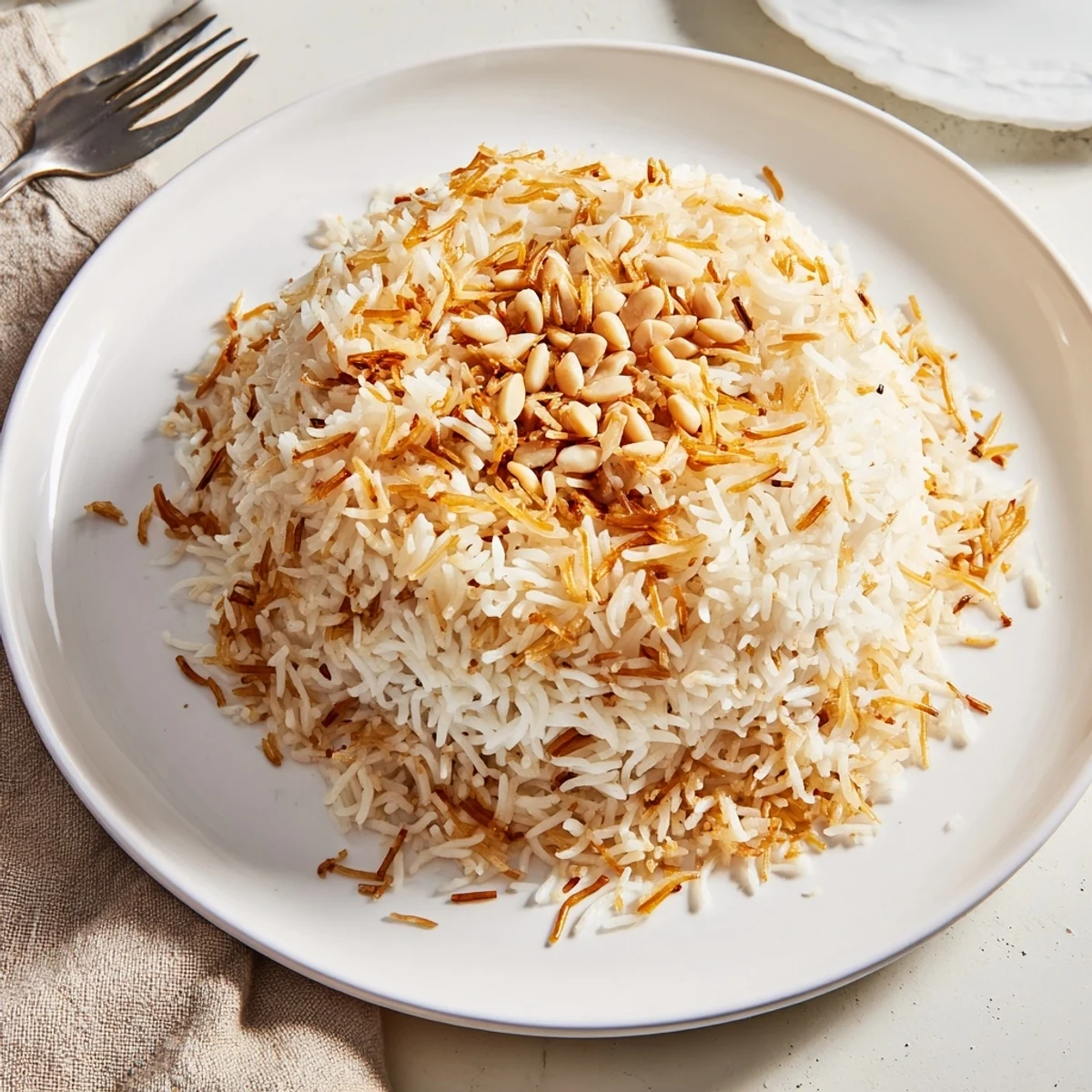
Toast a handful of pine nuts or slivered almonds in a dry pan and scatter them over the top just before serving for crunch. You can also fold in a handful of chopped fresh parsley or a pinch of cinnamon for a variation that feels distinctly Lebanese.
Serving and Storing
This rice reheats beautifully with a splash of water and a lid on the pan. It also freezes well in an airtight container for up to three months.
- Serve it alongside grilled lamb, roasted chicken, or a simple tomato stew for a meal that feels complete.
- Leftover rice makes an excellent quick lunch with a dollop of yogurt and a drizzle of olive oil on top.
- Always fluff with a fork, never a spoon, to keep the grains intact and the vermicelli visible.
 Pin it
 Keep this recipe close because it will become the side dish you reach for when plain rice simply will not do. Your table, and everyone sitting around it, will thank you.
Recipe Q&A Section
- → What type of rice works best for Lebanese rice?
-
Long-grain white rice like basmati or jasmine works best. These varieties produce fluffy, separate grains that don't clump together. Basmati gives a slightly drier, more distinct grain, while jasmine yields a softer, slightly stickier result.
- → Why do you toast the vermicelli before cooking?
-
Toasting the vermicelli in butter until golden brown adds a rich, nutty flavor and deeper color to the finished dish. It also helps the noodles hold their texture during simmering rather than turning mushy.
- → Can I make Lebanese rice ahead of time?
-
Yes, it reheats well. Store cooked rice in an airtight container in the refrigerator for up to 3 days. Reheat gently in a covered saucepan with a splash of water, or microwave with a damp paper towel over the top to restore moisture.
- → Is there a gluten-free alternative to vermicelli?
-
You can use gluten-free pasta broken into small pieces, or substitute with thin rice noodles. For a different but equally delicious approach, try toasted slivered almonds or pine nuts for added crunch without any gluten.
- → Why rinse the rice before cooking?
-
Rinsing removes excess surface starch that causes grains to stick together and become gummy. Rinse under cold water until it runs clear, usually 3 to 4 rinses, then drain thoroughly before adding to the pot.
- → What can I serve with Lebanese rice?
-
It complements grilled lamb or chicken, kibbeh, shawarma, and roasted vegetables. It also works well alongside rich stews and tagines, soaking up their sauces while providing a buttery, fluffy contrast.