
 Pin it
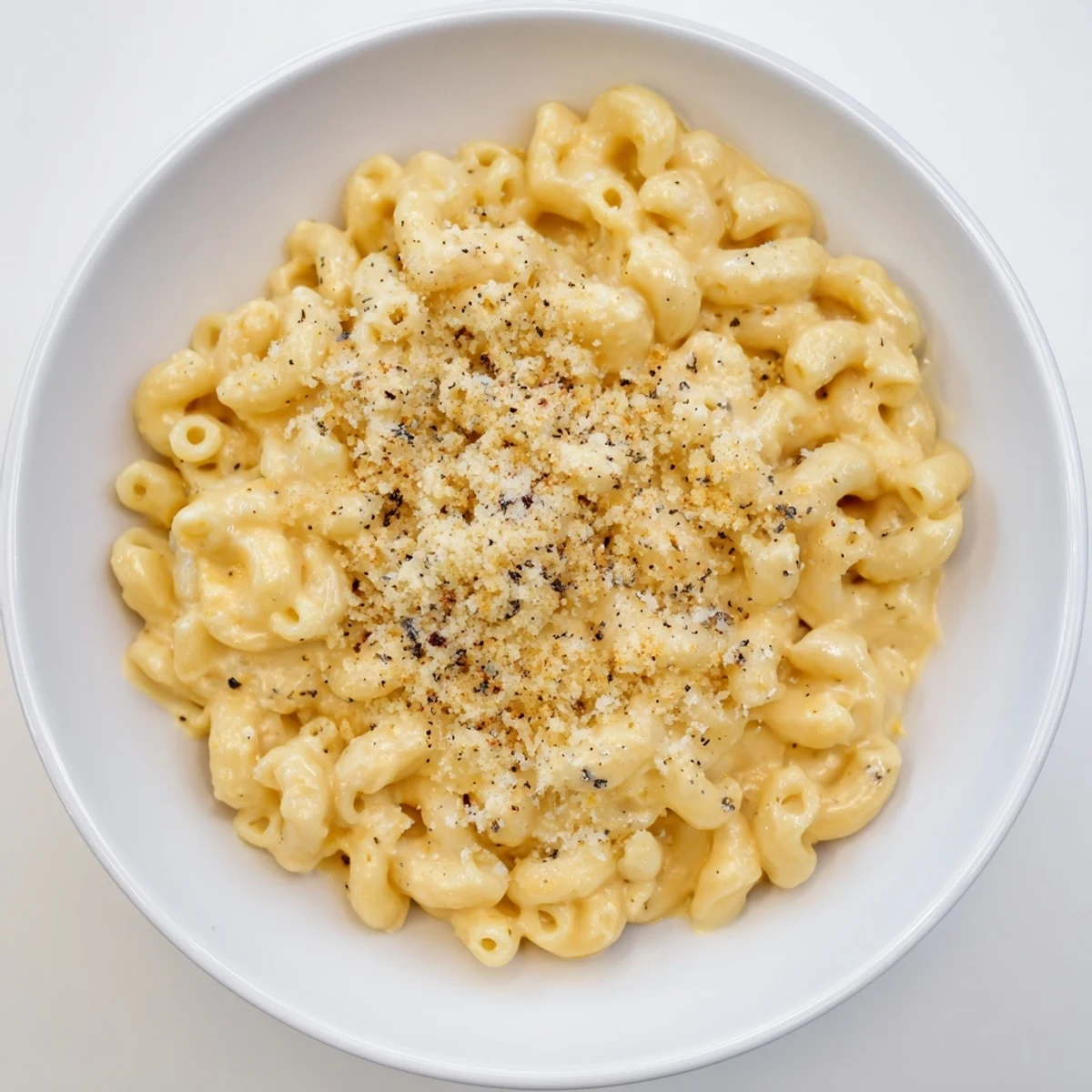
 This dish layers tender elbow pasta in a smooth, roux-thickened cheddar sauce—sharp and mild cheeses melt with a touch of Dijon for depth. Start by making a blonde roux, gradually whisking in milk until silky, then stir in cheeses off the heat to avoid graininess. Fold in pasta, top with buttered breadcrumbs for baking if desired, and bake at 180°C (350°F) for 15–20 minutes until golden. Serves four; total time about 45 minutes.
The sound of rain against the kitchen window and a pot of bubbling cheese sauce on the stove is my personal version of therapy. Mac and cheese found me during a broke college semester when a box of pasta and a block of cheddar felt like luxury. That cheap version got me through finals week, but the from scratch revelation came years later on a lazy Sunday when I finally learned what a proper roux could do. Now it is the dish I make when nothing else will do.
My friend David once showed up at my door unannounced on a freezing Tuesday night looking like he needed a hug disguised as dinner. I threw this mac and cheese together while he sat at the counter telling me about his terrible week, and by the time the breadcrumbs turned golden he was already laughing again.
Ingredients
- Elbow macaroni (300 g): The classic shape holds sauce in those curved little tubes better than any fancy alternative I have tried.
- Whole milk (2 cups): Do not substitute with skim unless you want a thin, sad sauce that slides right off the pasta.
- Unsalted butter (2 tbsp): You need this for the roux base, and unsalted lets you control the seasoning yourself.
- All purpose flour (2 tbsp): This is your thickening agent and the entire reason the sauce coats instead of running.
- Sharp cheddar (1 cup grated): Brings the tang and the bold yellow orange color that makes it look like real mac and cheese.
- Mild cheddar (1 cup grated): Balances the sharpness with creamy, mellow meltability that holds everything together.
- Dijon mustard (1/2 tsp): This tiny amount will not make it taste like mustard but will make the cheese taste more like itself.
- Salt and black pepper: Season gradually and taste as you go because cheese already brings a lot of salt.
- Breadcrumbs (1/4 cup, optional): Gives you that satisfying crunch on top that contrasts with the creamy interior.
- Melted butter (1 tbsp, optional): Tossed with breadcrumbs to help them brown evenly in the oven.
- Parmesan cheese (2 tbsp grated, optional): Adds a savory, salty punch to the topping that plain breadcrumbs cannot achieve alone.
Instructions
- Get your oven ready if baking:
- Preheat to 180 degrees Celsius (350 degrees Fahrenheit) so it is hot and waiting by the time you need it.
- Cook the pasta to al dente:
- Boil the macaroni according to the package directions but pull it one minute early because it will cook a little more in the sauce later.
- Build the roux:
- Melt the butter in a saucepan over medium heat, then whisk in the flour and stir constantly for one full minute until it smells slightly nutty.
- Create the cream base:
- Pour in the milk gradually while whisking so no lumps form, then let it simmer for about four to five minutes until it thickens enough to coat the back of a spoon.
- Melt in the cheese:
- Kill the heat and stir in both cheddars and the Dijon mustard until the mixture goes completely smooth and glossy, then season with salt and pepper to your taste.
- Combine pasta and sauce:
- Fold the drained macaroni into the cheese sauce gently but thoroughly so every piece is coated evenly.
- Bake with the crunchy topping (optional):
- Transfer everything to a greased baking dish, scatter the buttery breadcrumb and parmesan mixture on top, and bake for fifteen to twenty minutes until the edges bubble and the top turns a deep golden brown.
- Serve it hot:
- Scoop into bowls immediately because this dish waits for no one and tastes best when the cheese sauce is still flowing.
 Pin it
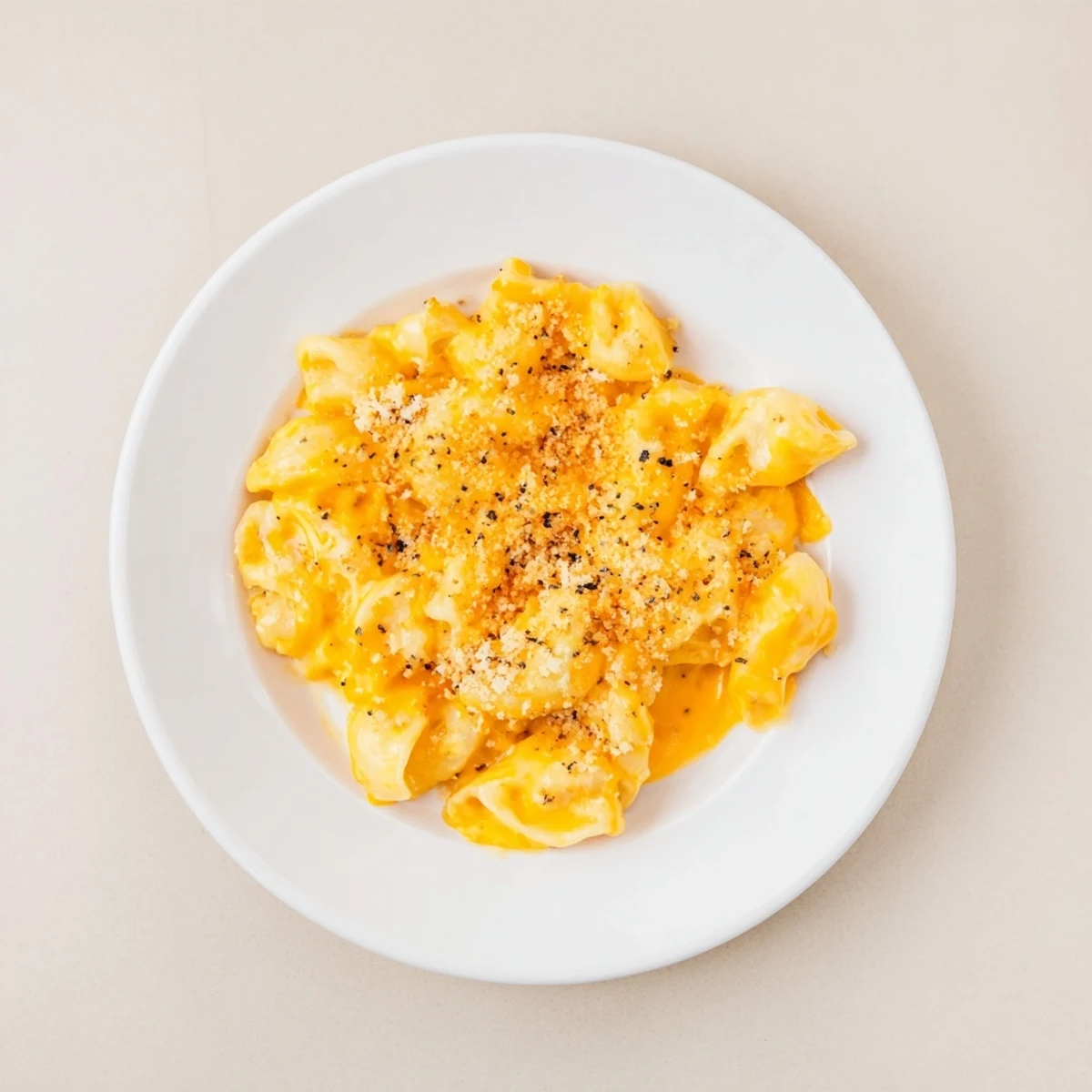
 There is something about a giant bowl of mac and cheese that makes people put down their phones and actually sit at the table together. It became our family Thanksgiving side dish after my niece declared it the only thing worth eating, and honestly she might be right.
Making It Your Own
Crispy bacon crumbled on top turns this from a side into a full meal that nobody complains about. Sautéed onions folded in add a sweetness that plays beautifully against the sharp cheddar, and a few drops of hot sauce wake up the whole dish without making it spicy. You can swap in Gruyère for half the cheddar if you want something a little more refined, or use Monterey Jack when you are feeding kids who fear unfamiliar cheeses.
Gluten Free Adjustments
Use your favorite gluten free pasta shape and swap the all purpose flour for a one to one gluten free blend in the exact same amount. The sauce thickens just as well and nobody at the table will suspect a thing, which is honestly the highest compliment a dietary adjustment can receive.
What to Watch For
The difference between good mac and cheese and unforgettable mac and cheese lives in a few small details that cost nothing but attention.
- Stir the roux for the full minute without rushing because raw flour taste will ruin everything.
- Taste the cheese sauce before adding the pasta and adjust salt then because fixing it later is much harder.
- Let the baked version rest for five minutes after it comes out of the oven so it sets up instead of becoming soup on the plate.
 Pin it
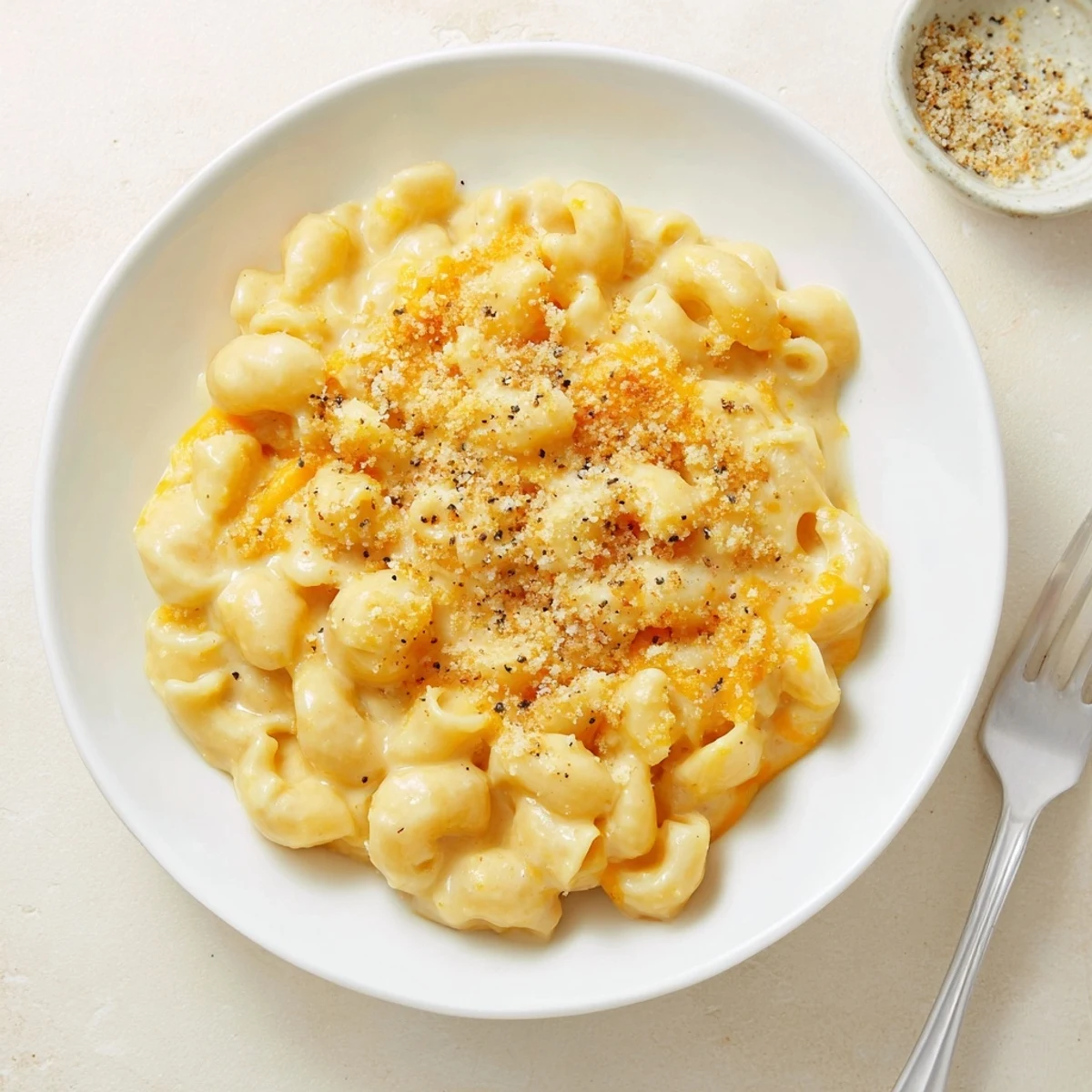
 Some dishes nourish the body and some nourish the soul, and mac and cheese has always done both for me without pretense or complication. Make a pot of this on a hard day and I promise it will help.
Recipe Q&A Section
- → How do I prevent a grainy cheese sauce?
-
Grate cheese fresh and add it off the heat, stirring until smooth. A low, steady heat and a proper roux-thickened base help the emulsion stay stable; avoid boiling once the cheese is in.
- → Can I swap the cheeses?
-
Yes. Mix sharp cheddar for bite with a milder, creamier cheese like Monterey Jack or Gruyère for depth. Balance flavor and melting properties to maintain a silky sauce.
- → What pasta shape works best?
-
Elbow macaroni is traditional because it traps sauce, but shells, cavatappi or small penne also hold the cheese well and make for a satisfying bite.
- → How can I make it ahead and reheat?
-
Combine pasta and sauce, cool, then refrigerate in an airtight container up to 24 hours. Reheat gently on the stove or in the oven with a splash of milk to loosen the sauce; add the breadcrumb topping and bake until warmed through.
- → How to adapt for gluten-free diets?
-
Use certified gluten-free pasta and replace the all-purpose flour in the roux with a 1:1 gluten-free flour blend or use a cornstarch slurry (mix cold water with cornstarch) to thicken the sauce.
- → How do I get a crisp, golden topping?
-
Toss breadcrumbs with melted butter and a little grated Parmesan, sprinkle evenly over the surface, and bake at 180°C (350°F) for 15–20 minutes. A brief broil at the end gives extra color—watch closely to avoid burning.