
 Pin it
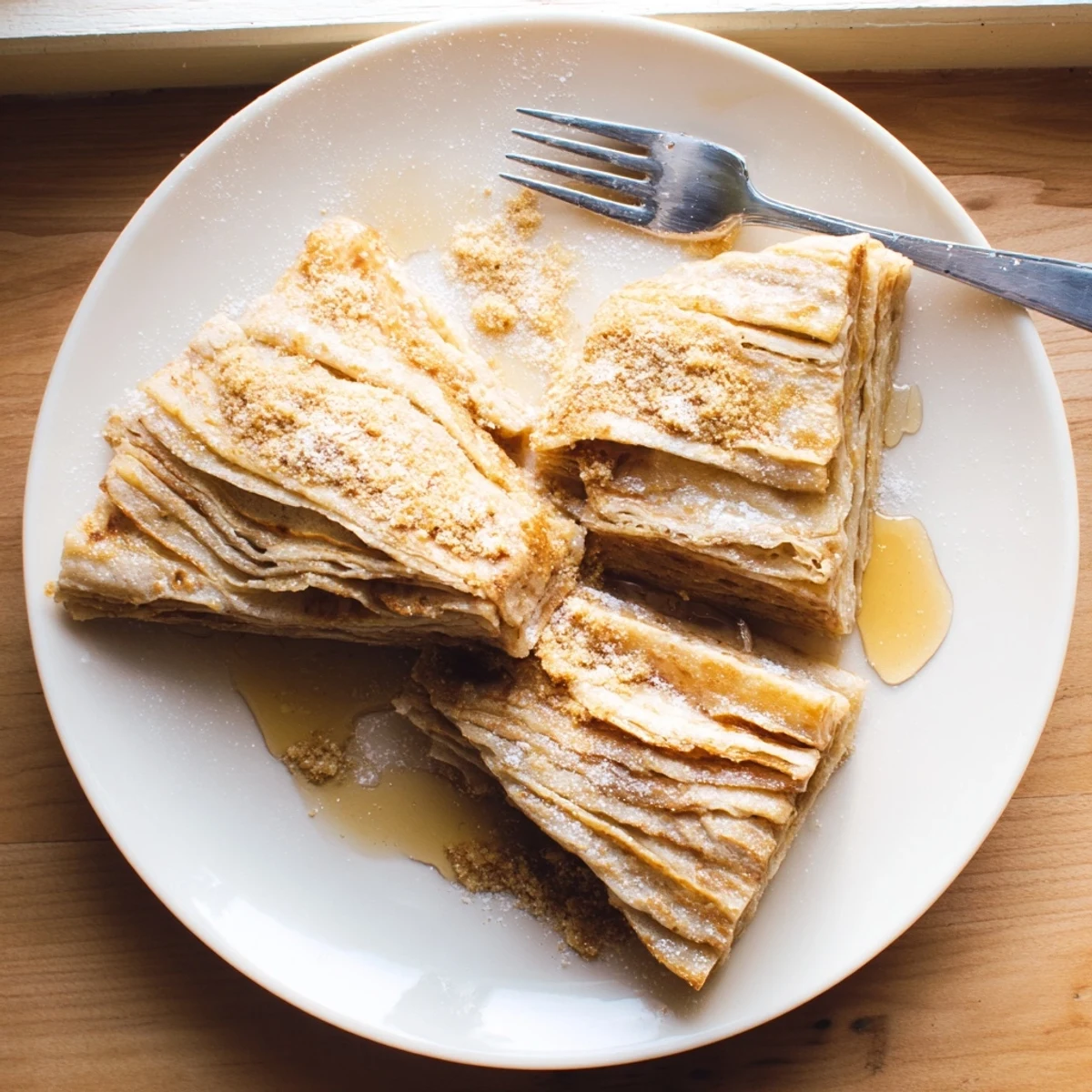
 Meloui are traditional Moroccan pancakes known for their incredibly flaky, layered texture similar to puff pastry. These beloved breakfast treats feature a simple dough of flour and semolina, folded with butter and semolina dusting to create distinct layers that become golden and crispy when cooked on a griddle. The process involves stretching the dough very thin, folding it into squares, and cooking until each side achieves a beautiful golden brown color. Best served warm, meloui pairs wonderfully with honey, jam, or powdered sugar, making them an irresistible start to the day or a delightful snack alongside Moroccan mint tea.
The first morning I made Meloui, my kitchen filled with this incredible buttery aroma that had my teenage son wandering in from his room, asking what smelled so amazing. Watching him take that first bite, eyes widening at the flaky layers, reminded me why some traditional recipes are worth every minute of effort. These Moroccan pancakes became our weekend breakfast ritual that winter.
Last summer, when my sister visited from abroad, she insisted I teach her this recipe. We spent a Sunday morning covered in flour, laughing at our imperfect first attempts and celebrating when we finally got those translucent dough circles just right. Theres something deeply satisfying about mastering a technique thats been passed down through generations of Moroccan kitchens.
Ingredients
- All-purpose flour: Forms the base structure, dont substitute entirely with whole wheat or youll lose the delicate texture
- Fine semolina: This is the secret ingredient that creates those gorgeous crispy layers and adds authentic flavor
- Salt: Essential for flavor balance, exactly one and a half teaspoons works perfectly
- Sugar: Just a touch to balance the savory notes and help with browning
- Warm water: Needs to be genuinely warm, not hot, or youll affect how the gluten develops
- Vegetable oil: Keeps everything workable during the shaping process
- Softened butter: Must be truly soft but not melted for proper distribution between layers
- Extra semolina for dusting: Creates that signature crunch and prevents layers from sticking together
Instructions
- Mix the dough:
- Combine flour, semolina, salt, and sugar in a large bowl, then gradually pour in warm water while mixing until you have a soft, smooth dough that feels like playdough.
- Knead thoroughly:
- Work the dough for eight to ten minutes until it becomes elastic and smooth, bouncing back when you press it with your finger.
- Portion and rest:
- Divide into eight equal balls, cover them with a damp cloth, and let them rest for fifteen minutes to relax the gluten.
- Stretch the dough:
- Oil your hands and work surface, then flatten each ball into an almost transparent circle about ten inches across, working quickly so the dough doesnt dry out.
- Add the layers:
- Dot the surface generously with softened butter and sprinkle with semolina, ensuring even coverage right to the edges.
- Fold and shape:
- Fold the circle into thirds like a letter, then fold again vertically to create a neat square, set aside and repeat with remaining dough.
- Second rest:
- Let all folded pieces rest for five minutes, which makes them easier to flatten without tearing.
- Final flatten:
- Gently press each square to about half an inch thick, being careful not to press so hard that the layers stick together.
- Cook to golden:
- Heat a skillet over medium heat with a light coating of oil, cook each pancake two to three minutes per side until golden brown and flaky.
- Serve warm:
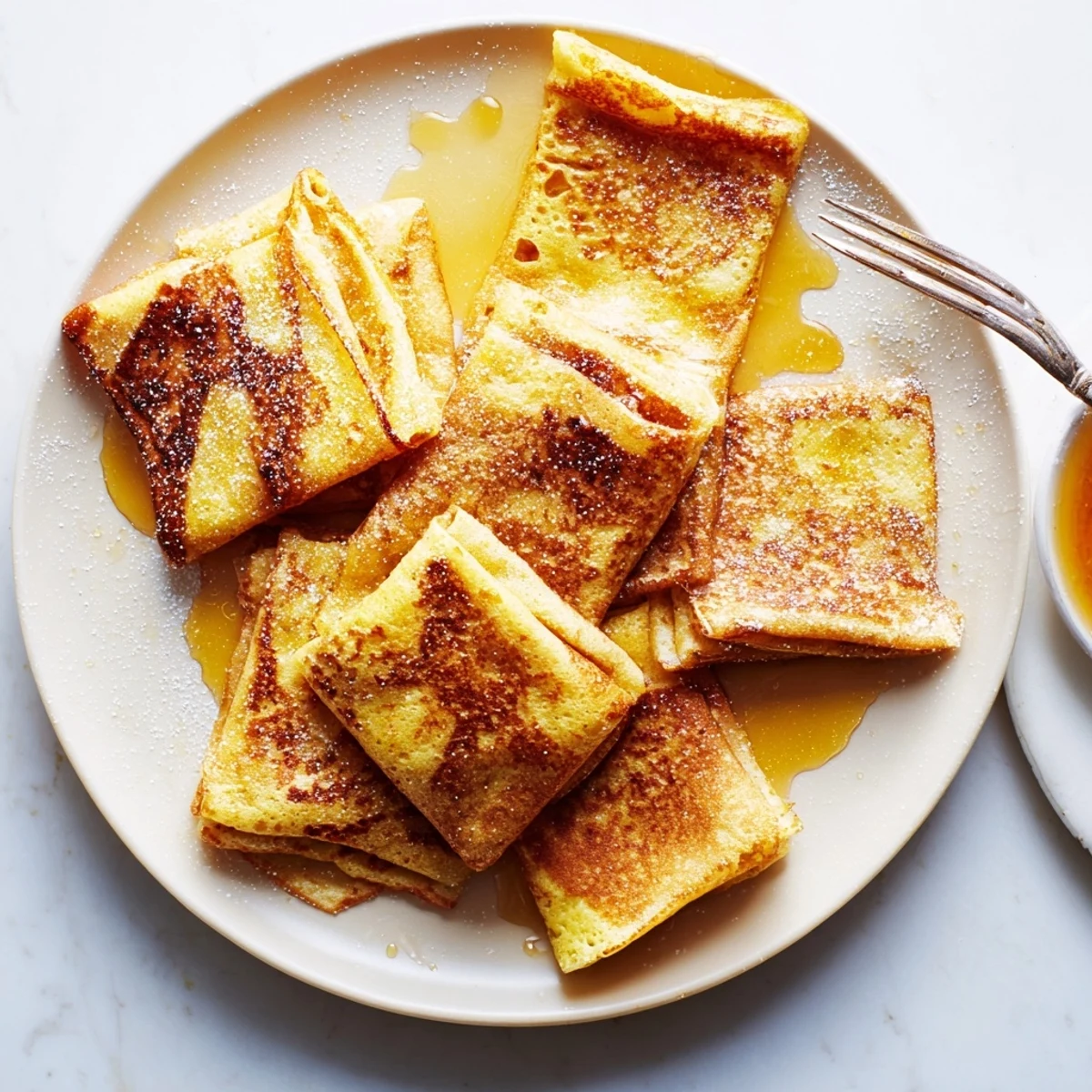
- Drizzle with honey, spread with jam, or dust with powdered sugar while still hot for maximum enjoyment.
 Pin it
 These pancakes became my go-to comfort food during a particularly stressful month at work. Something about the rhythmic folding, the sizzle in the pan, the way honey melts into warm layers it all felt like a meditation. My roommate started requesting them every Sunday, and that quiet breakfast time became something I looked forward to all week.
Getting The Perfect Stretch
Learning to stretch the dough thin enough took practice, and my first few attempts looked more like rustic flatbread than delicate Meloui. The trick is using your palms and letting gravity help, working from the center outward in gentle circular motions. If you see small tears forming, patch them with a bit of dough from the edge and keep going.
Flavor Variations
Sometimes I add a pinch of anise or cinnamon to the dough for a subtle aromatic twist that pairs beautifully with honey. Orange blossom water in the dough mixture creates this lovely floral note that feels particularly authentic. You can also experiment with fillings like almond paste or chocolate in the center before folding, though the traditional butter version remains my favorite.
Storage And Reheating
These reheat surprisingly well, which means I often double the batch and keep some for busy weekday mornings. Store them in an airtight container at room temperature for up to two days, or freeze them layered between parchment paper. To reheat, just pop them in a warm skillet for a minute per side.
- Reheating in a dry pan restores some of the crispiness better than a microwave
- Let frozen Meloui thaw completely before reheating for the best texture
- They also toast beautifully in a toaster oven if you want quick individual portions
 Pin it
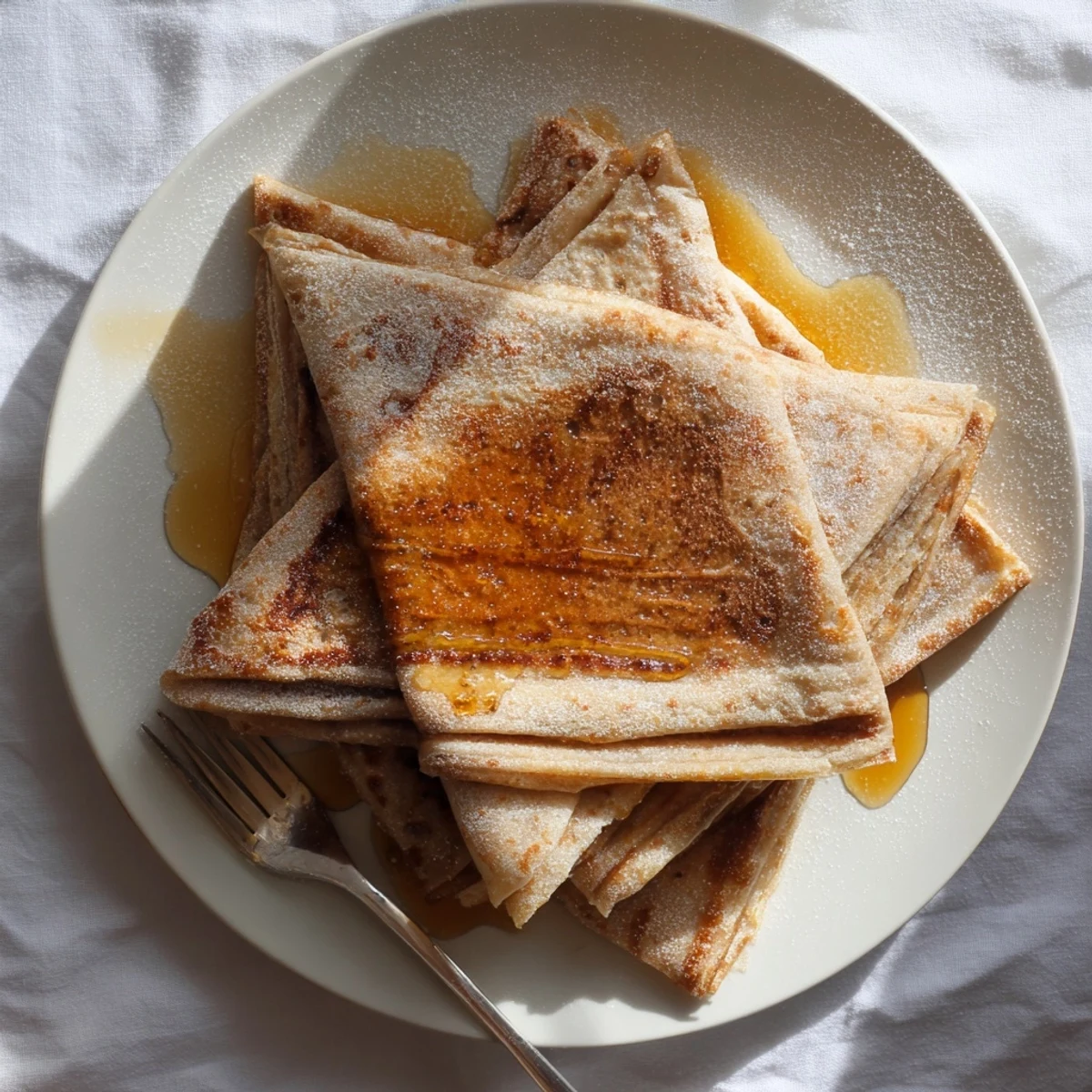
 There is something deeply satisfying about pulling apart those warm, flaky layers and watching honey seep into every crevice. I hope these bring as much joy to your kitchen as they have to mine.
Recipe Q&A Section
- → What makes meloui different from regular pancakes?
-
Meloui features a unique layered, flaky texture achieved by folding butter and semolina into thin stretched dough, similar to puff pastry. Unlike regular pancakes, meloui is denser, richer, and has distinct separate layers that become crispy when cooked.
- → Can I make meloui ahead of time?
-
Yes, meloui stores beautifully in an airtight container. You can make them ahead and reheat on a skillet for a few minutes to restore the crispy texture. They also freeze well for up to a month.
- → Why is my dough too sticky or difficult to stretch?
-
If the dough is sticky, add a bit more flour and knead longer. The resting period is crucial for gluten development, which makes the dough elastic and easier to stretch. Don't rush the 15-minute rest after forming balls.
- → What can I serve with meloui?
-
Meloui is traditionally served warm with honey, jam, or powdered sugar. For a complete Moroccan breakfast experience, pair with mint tea. You can also enjoy them with cheese, olives, or savory spreads.
- → Is semolina necessary for meloui?
-
Semolina is essential for authentic texture and flavor. It creates the characteristic graininess and helps separate the layers. While you could substitute with more flour, the result won't have the traditional meloui texture.