
 Pin it
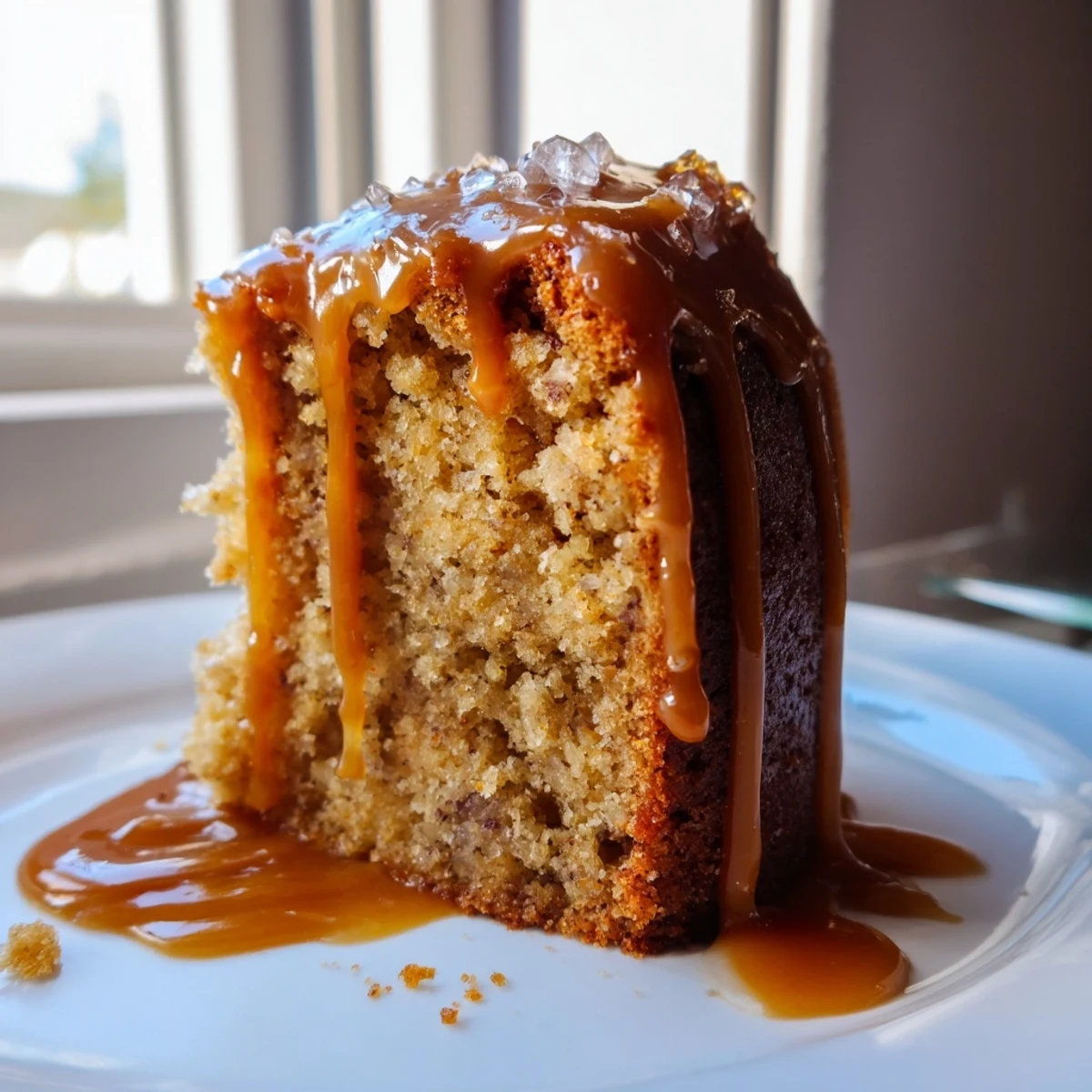
 This indulgent dessert transforms overripe bananas into a moist, tender cake enriched with nutty brown butter. The crowning glory is a homemade salted caramel sauce that adds the perfect balance of sweet and savory flavors. The combination of textures—creamy cake, crunchy caramel, and optional toasted nuts—creates a truly memorable treat that's perfect for gatherings or special occasions.
The smell of brown butter hitting a hot pan is the kind of thing that makes you stop whatever you are doing and just breathe. My kitchen on a rainy Tuesday afternoon, bananas browning on the counter, and a half empty jar of heavy cream in the fridge somehow became the birthplace of the most ridiculous cake I have ever made. Salted caramel poured over the top sealed the deal before anyone even tasted it.
I brought this cake to a friends potluck dinner and watched three people skip the main course entirely just to secure a slice. One friend stood over the pan with a fork before I even cut it, scraping caramel off the edges and mumbling something about never needing another dessert again.
Ingredients
- Unsalted butter (115 g): You will brown every gram of this for the cake, so use a good quality European style butter if you can find it for a richer flavor.
- All-purpose flour (250 g): Spoon and level rather than scooping to avoid a dense, heavy crumb.
- Baking powder and baking soda: Both leavening agents work together here since the sour cream and bananas add acidity that activates the baking soda.
- Salt: Do not skip this even with salted caramel coming later because a flat cake helps nothing.
- Granulated sugar and light brown sugar (100 g each): The brown sugar adds moisture and a subtle molasses note that pairs beautifully with banana.
- Two large eggs: Room temperature eggs blend more smoothly into the brown butter mixture and prevent the batter from seizing.
- Vanilla extract: Use the real stuff, not imitation, because the flavor here is front and center.
- Three very ripe bananas: The skins should be mostly black with maybe a streak of yellow left for the sweetest, most intense banana flavor.
- Sour cream or Greek yogurt (120 ml): Full fat is non negotiable because it keeps the crumb incredibly tender and moist.
- Granulated sugar for caramel (200 g): Regular white sugar melts cleanly and gives you that clear amber color you want.
- Water (60 ml): Just enough to help the sugar dissolve before caramelization begins.
- Heavy cream (120 ml): Room temperature cream prevents the caramel from seizing when you pour it in.
- Flaky sea salt: Start with one teaspoon and taste before adding more because the right salt level makes the caramel sing.
Instructions
- Brown the butter:
- Melt the butter in a light colored saucepan over medium heat, swirling the pan gently as it begins to foam and sputter. Watch for tiny golden brown specks forming on the bottom and catch a whiff of that toasted hazelnut aroma before removing it from the heat and transferring to a bowl to cool for ten minutes.
- Set up the oven and pan:
- Preheat your oven to 175 degrees Celsius or 350 degrees Fahrenheit and grease a 23 centimeter round or square cake pan before lining the bottom with parchment paper for easy release.
- Whisk the dry ingredients:
- In a medium bowl, whisk together the flour, baking powder, baking soda, and salt until evenly distributed so you never hit a bitter pocket of leavening in the finished cake.
- Build the wet batter:
- Whisk the cooled brown butter with both sugars in a large bowl until smooth and glossy, then beat in the eggs one at a time followed by the vanilla, mashed bananas, and sour cream until everything looks like a fragrant, cloudy custard.
- Combine and fold:
- Pour the dry ingredients into the wet mixture and fold gently with a spatula, stopping the moment you no longer see dry flour because overmixing is the fastest way to a tough, rubbery crumb.
- Bake the cake:
- Spread the batter into your prepared pan and smooth the top, then bake for 40 to 45 minutes until a toothpick slid into the center comes out with just a few moist crumbs clinging to it. Let it cool in the pan for ten minutes before turning it out onto a wire rack.
- Make the salted caramel:
- Combine sugar and water in a clean saucepan over medium heat, stirring only until the sugar dissolves, then let it boil undisturbed until it turns a deep copper amber color around six to eight minutes. Remove from heat, carefully add the cubed butter while whisking vigorously, then slowly pour in the cream and whisk until smooth before stirring in the flaky sea salt.
- Assemble and decorate:
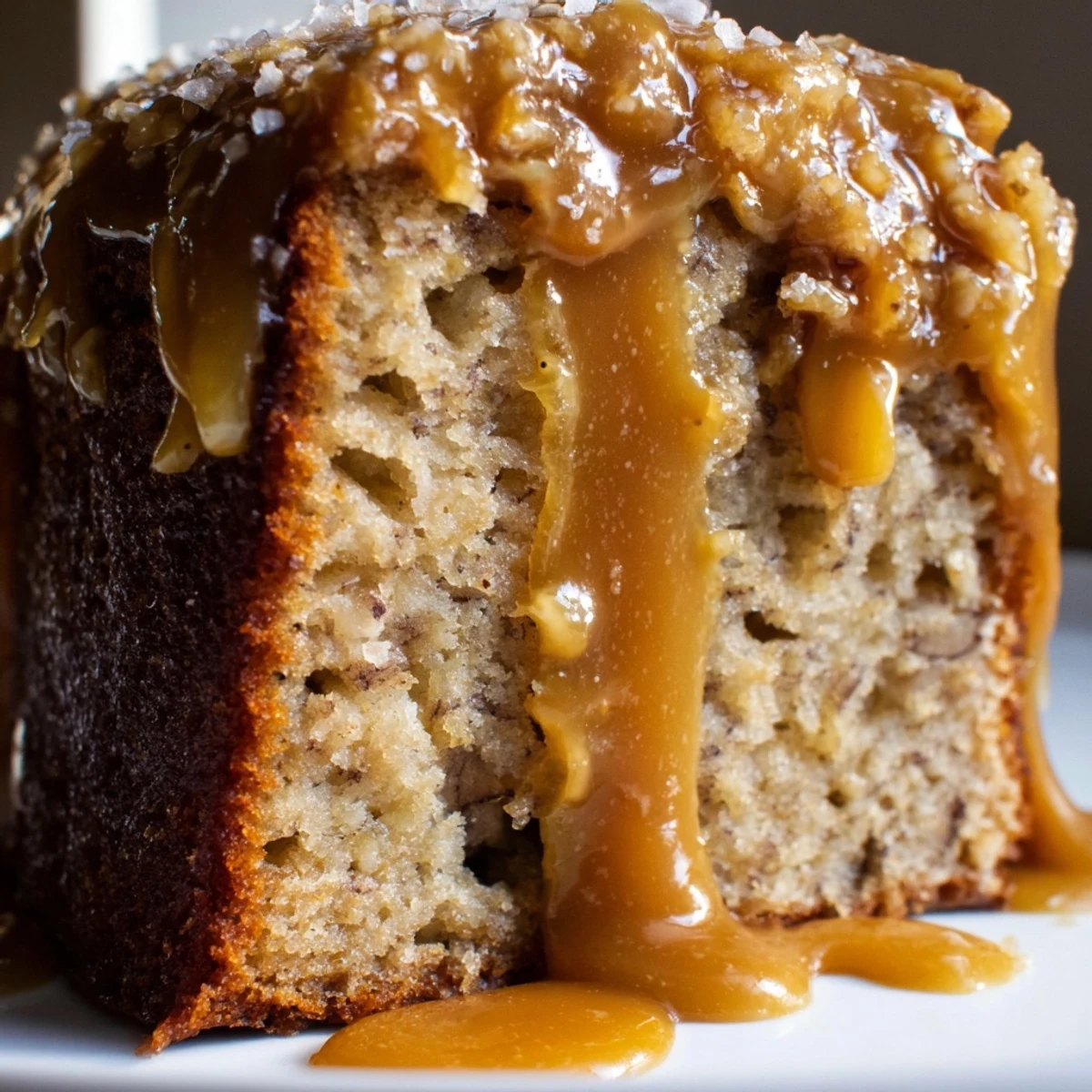
- Once the cake has cooled completely, pour the slightly warm caramel sauce over the top and let it drip down the edges, then arrange banana slices, toasted nuts, or an extra drizzle of caramel as you like.
 Pin it
 There is something quietly powerful about a cake that began as a handful of browning bananas nobody wanted to eat. It became the dessert my family now requests for every birthday, holiday, and random Tuesday that feels like it deserves something special.
The Art of Browning Butter
Browning butter is one of those tiny kitchen tricks that delivers an enormous payoff for very little work. The milk solids toast and separate from the fat, creating a deeply aromatic, almost hazelnut flavored ingredient that elevates everything from cakes to pasta sauces. Use a stainless steel or light colored saucepan so you can monitor the color, and never walk away during the final minute because the window between golden and black is heartbreakingly short.
Caramel Without Fear
Making caramel from scratch intimidates a lot of home cooks, and honestly it should be approached with healthy respect since molten sugar causes serious burns. The key is patience during the early stage when nothing seems to be happening, followed by swift confidence when the color starts changing. Have your butter cubed and cream measured before you begin because once caramel decides to move, it does not wait for you to find your ingredients.
Storage and Serving Suggestions
This cake keeps beautifully at room temperature for up to three days if loosely covered, and the banana flavor actually deepens overnight. The caramel sauce can be made up to a week ahead and stored in a jar in the refrigerator, then warmed gently in the microwave before pouring. A scoop of vanilla bean ice cream alongside a warm slice turns an already indulgent dessert into something genuinely unforgettable.
- A pinch of cinnamon in the batter adds a layer of warmth without overpowering the banana.
- Toast whatever nuts you use for decoration in a dry pan for a few minutes to bring out their oils and crunch.
- Always taste your caramel before pouring it on the cake and adjust the salt level to your preference.
 Pin it
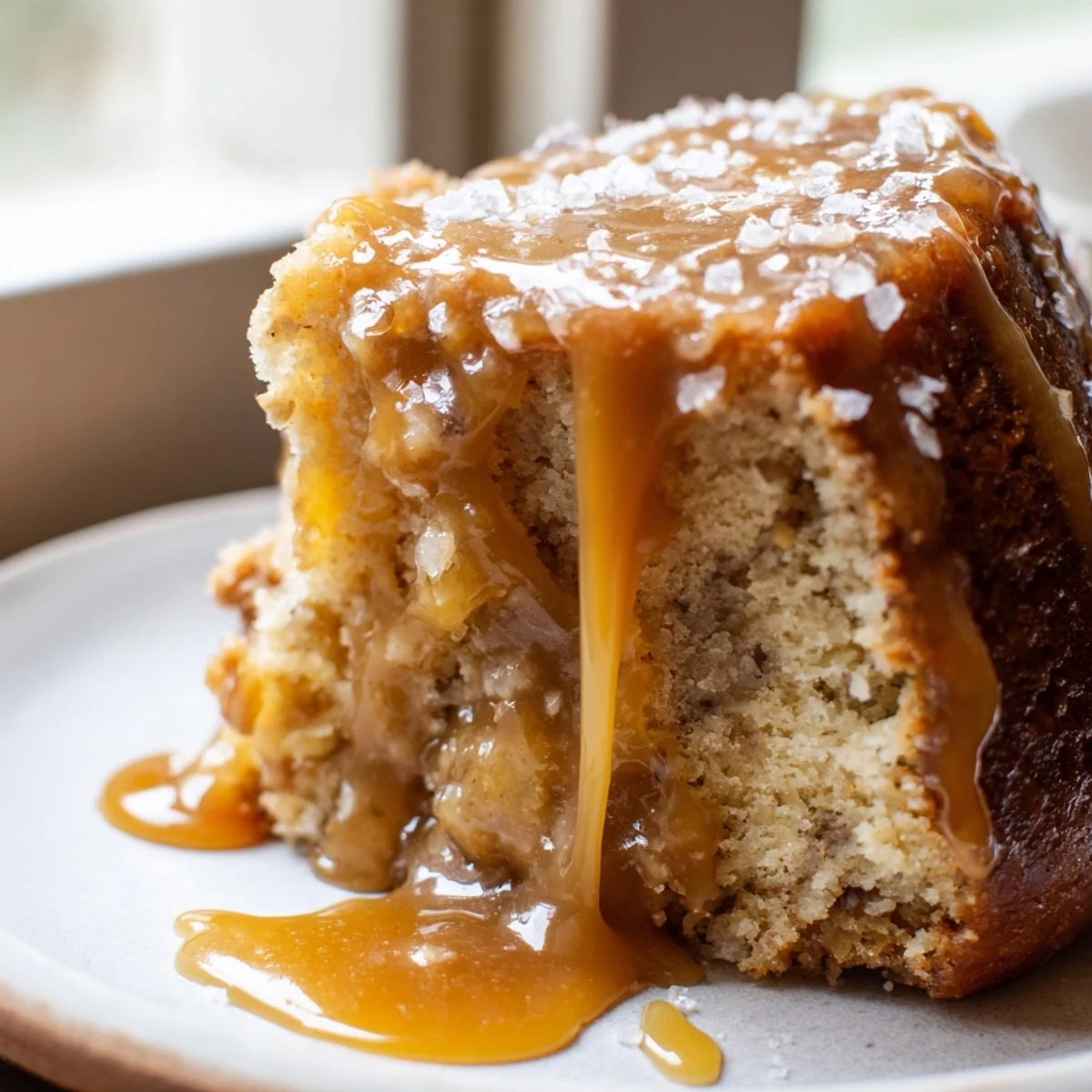
 Every time I make this cake, someone asks for the recipe, and I always say the same thing. Start with bananas that look completely ruined and brown butter that smells like toasted magic, and everything else practically falls into place.
Recipe Q&A Section
- → Can I make this cake ahead of time?
-
Yes, the cake can be baked 1-2 days in advance. Store it wrapped tightly at room temperature. Make the caramel sauce fresh and pour it over just before serving for the best texture and presentation.
- → Why do I need very ripe bananas?
-
Very ripe bananas with brown spots are essential because they're sweeter and more flavorful than yellow bananas. Their soft texture also incorporates more easily into the batter, creating a moist, tender crumb.
- → What's the trick to making perfect caramel sauce?
-
Don't stir the sugar once it dissolves—let it cook undisturbed until it turns amber. Watch closely as it can burn quickly. Have your room-temperature cream ready before adding butter, and whisk constantly when incorporating liquids.
- → Can I freeze this cake?
-
The unfrosted cake freezes beautifully for up to 3 months. Wrap it tightly in plastic and foil. Thaw overnight at room temperature before adding fresh salted caramel sauce. The caramel sauce itself can also be frozen for up to 2 months.
- → What can I substitute for sour cream?
-
Full-fat Greek yogurt works perfectly as a substitute. You can also use plain yogurt or even buttermilk for a slightly different tang. The acidity helps activate the baking soda and keeps the cake tender.
- → How do I know when brown butter is ready?
-
Melt the butter over medium heat and continue cooking until it foams. You'll see brown specks form at the bottom and smell a nutty aroma—this takes about 5-7 minutes. Remove from heat immediately to prevent burning.