
 Pin it
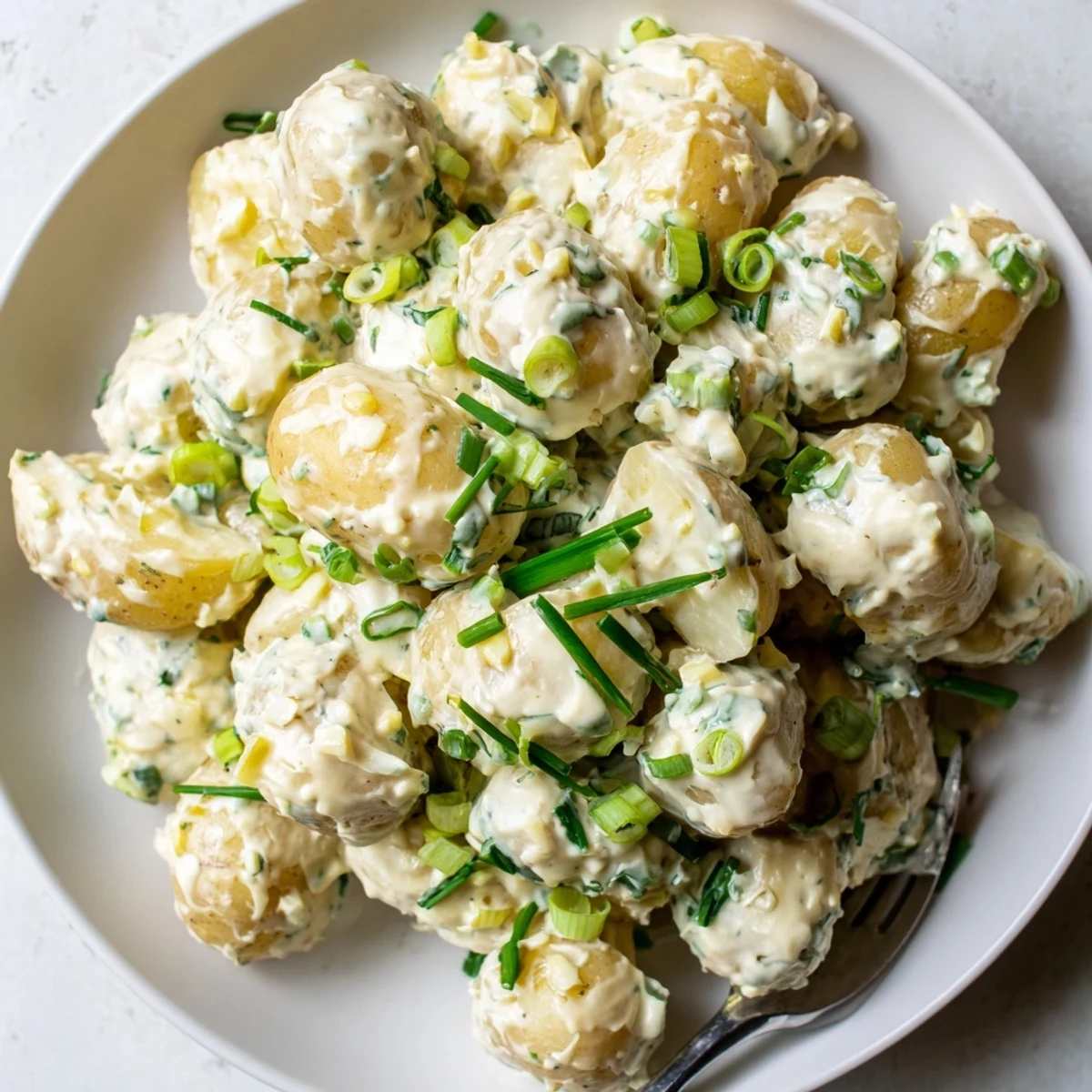
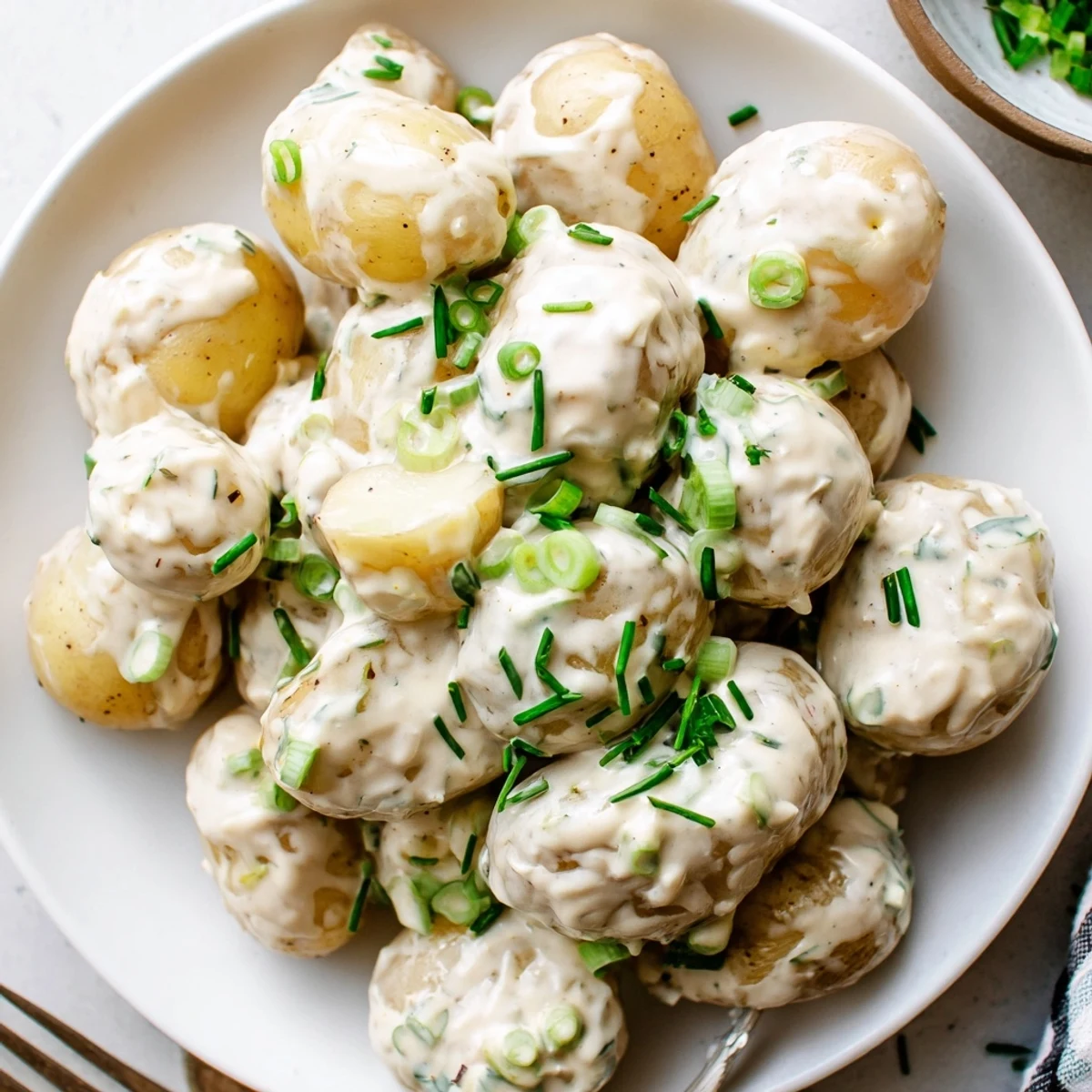
 This creamy, tangy potato salad uses halved baby potatoes tossed in a sour cream–mayonnaise dressing seasoned with Dijon, apple cider vinegar, garlic and onion powders. Fold in thinly sliced scallions and chopped chives, garnish, and chill at least an hour to meld flavors. Ready in about 40 minutes; serve chilled alongside grilled dishes.
The first time I tried my hand at sour cream and onion potato salad, I was standing barefoot in the kitchen, windows flung open to let in the scent of cut grass. The steam rising from the boiled potatoes carried a promise of something comfortingly familiar but elevated. Chives and scallions scattered across the countertop, lending a bright, oniony cloud that made me grin in anticipation. I could hardly wait for it to chill before sneaking a forkful straight from the bowl.
I made this potato salad for a last-minute backyard dinner when our friends showed up hungry and sunburned, trailing sand everywhere. While the potatoes cooled, we talked about everything but the food, though the sharp scent of vinegar and scallions kept interrupting the conversation. Every spoonful seemed to vanish faster than I could pile it onto plates.
Ingredients
- Baby potatoes: Their thin skins and creamy centers hold up beautifully, so don't bother peeling—just halve them for bite-sized goodness.
- Scallions (green onions): These bring a gentle, oniony zing that's fresher than a regular onion, and I've found slicing them on a sharp bias makes them look pretty too.
- Fresh chives: Bright and grassy, chives are the ultimate garnish and lend a savory lift that reminds me of classic chips.
- Sour cream: Go for full-fat if you can; it coats the potatoes luxuriously and tastes best after chilling a bit.
- Mayonnaise: Just a touch deepens the dressing without overpowering it—a lesson I learned after an early batch went flat without it.
- Dijon mustard: It quietly sharpens the dressing; I once tried substituting yellow mustard, but Dijon is what brings everything together.
- Apple cider vinegar: The tanginess cuts through the cream—don't skip it, even if you don't love vinegar solo.
- Garlic powder: This builds savory warmth without the bite of raw garlic, which can dominate if overused.
- Onion powder: For that signature flavor that ties the 'sour cream and onion' dream together—add sparingly, taste, and adjust.
- Salt and black pepper: Always taste at the end; cold potatoes can soften flavors more than you'd expect.
Instructions
- Boil the potatoes:
- Drop the halved baby potatoes into well-salted boiling water, listening for the gentle thud as they hit the pot, and cook until a fork slips in without resistance, around 15 to 20 minutes.
- Prepare the creamy dressing:
- In a bowl, whisk together sour cream, mayonnaise, Dijon, apple cider vinegar, garlic powder, and onion powder—the dressing should glide off the whisk in a silky ribbon.
- Mix the vegetables:
- Once the potatoes are just cool enough to touch, toss them into your biggest bowl along with scallions and most of the chopped chives, pausing to breathe in the grassy aroma.
- Toss and coat:
- Pour the dressing over and fold gently with a spatula, so each potato glistens but doesn't smash—this is the moment the whole kitchen smells like pure summer.
- Garnish and chill:
- Sprinkle over the reserved chives, then either serve right away or pop it in the fridge for at least an hour so the flavors can deepen and meld.
 Pin it
 I realized this salad had taken on a life of its own when my cousin asked for the leftovers to take to work—and then texted me for the recipe before lunchtime the next day. Suddenly, it felt like more than just a side; it was a little bit of summertime shared between busy days.
Ways to Switch It Up
One quiet afternoon, I tossed in a handful of crisp bacon bits and a sprinkle of smoked paprika on a whim; it got rave reviews with only three minutes of effort. If you’re feeling adventurous, a little diced celery brings crunch, or swap Greek yogurt for a tangier bite that lightens things up even more.
The Importance of Timing
I've seen impatient guests dig in before the salad's had time to chill and meld—it's still delicious, but letting it sit in the fridge really lets the flavors round out. If you have time, make it ahead; the next day is even better.
Serving and Storing
Potato salad is happiest in a chilled bowl at your picnic table, but equally at home tucked beside a grilled cheese for lunch. If you have leftovers, cover tightly and they’ll hold up for two days in the fridge—just give them a gentle stir before serving to refresh the dressing.
- Keep some extra chives handy for a last-second sprinkle.
- If you want to pack it for a picnic, nestle the bowl in a cooler with ice packs.
- Never freeze potato salad; the texture gets weird, trust me.
 Pin it
 Whether you make this once or a dozen times, each batch has its own little quirks—and that's part of the fun. Here’s to big bowls, sunny tables, and seconds all around.
Recipe Q&A Section
- → What potatoes work best?
-
Waxy or medium-starch potatoes hold their shape well — baby potatoes, Yukon Gold or red potatoes are ideal. Cook until fork-tender but not falling apart.
- → How can I lighten the dressing?
-
Substitute reduced-fat sour cream or plain Greek yogurt for part or all of the sour cream, and cut back on mayonnaise. Add a splash of apple cider vinegar or lemon juice for brightness.
- → Can it be made ahead and how long will it keep?
-
Yes. Assemble and chill for at least an hour for best flavor. Stored in an airtight container, it keeps 2–3 days in the refrigerator; flavors mellow over time, so re-taste and adjust seasoning before serving.
- → What are good add-ins or variations?
-
Add crisp bacon bits for smokiness, diced celery for crunch, or capers for a briny note. Fresh herbs like dill or parsley can complement or replace chives.
- → How should I adjust seasoning after chilling?
-
Chilling can mute salt and acid. After refrigeration, taste and add a pinch of salt, cracked pepper, a splash of vinegar or a touch more mustard to brighten the flavors.
- → Should this be served warm or cold?
-
Best served chilled or at cool room temperature. Warming changes the texture and creaminess; if warmed, serve immediately but refrigeration is recommended for peak flavor.