
 Pin it
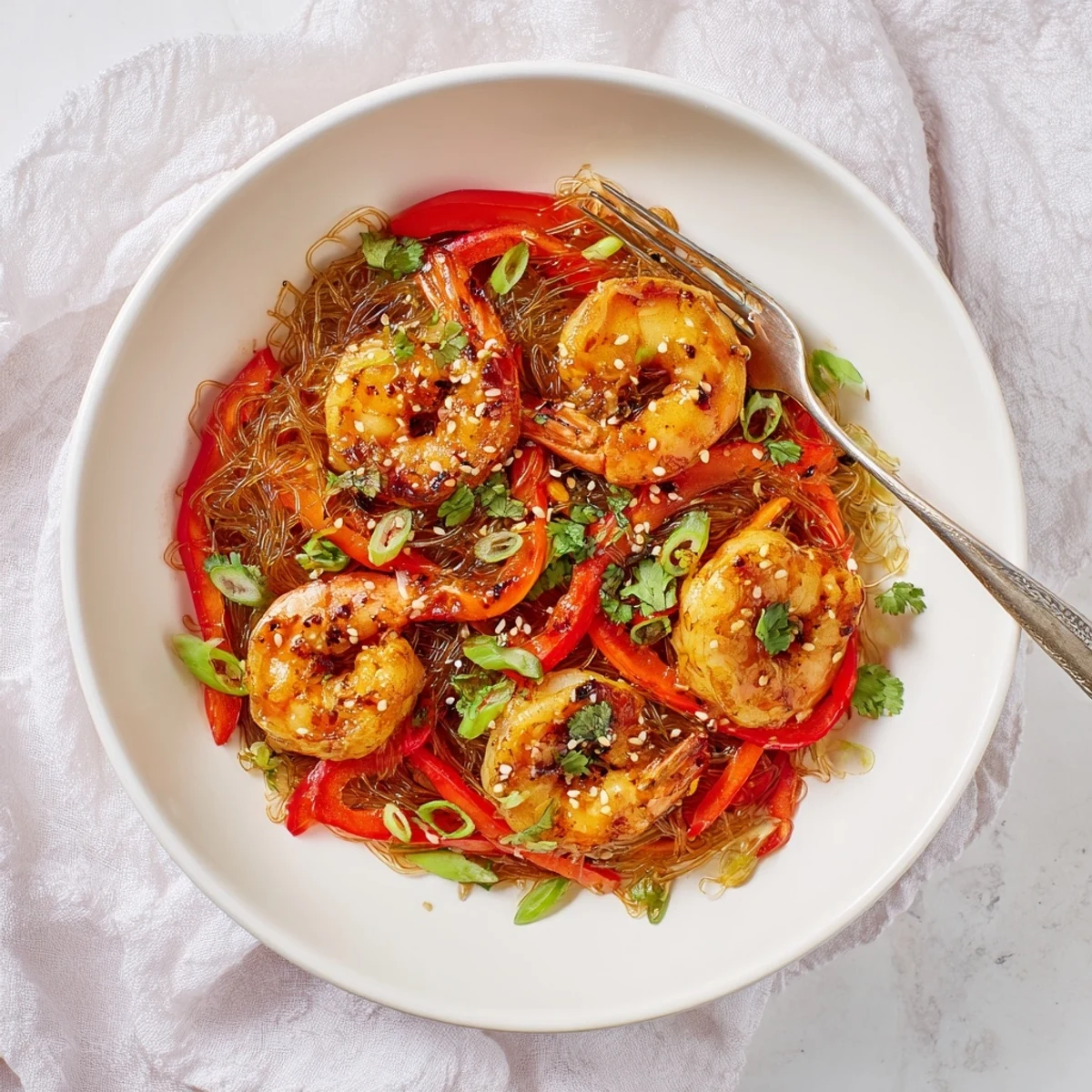
 In about 30 minutes you can toss tender, pink shrimp with rice or egg noodles in a bold garlic-forward sauce. Cook the noodles, then flash-sauté minced garlic and shrimp until just opaque. Stir-fry bell pepper and carrot briefly, return noodles and shrimp, pour a balanced soy–oyster–fish–sriracha mix and toss until glossy. Finish with green onions, cilantro and lime; tweak sriracha and brown sugar to balance heat and sweetness.
The sizzle of garlic hitting a hot wok on a Tuesday evening is one of those sounds that instantly makes a kitchen feel alive, and this dish was born from exactly that kind of chaotic weeknight energy when takeout felt too slow but I still wanted something with real bite.
I made this for my neighbor Dave after he helped me carry a ridiculous amount of groceries up three flights of stairs, and he stood in my kitchen eating straight from the wok with chopsticks, refusing to wait for a plate.
Ingredients
- Large shrimp (500 g, peeled and deveined): Fresh or frozen both work, but pat them completely dry with paper towels so they sear instead of steaming.
- Rice noodles or egg noodles (300 g): Rice noodles keep it gluten light, while egg noodles bring a chewiness that grips the sauce better.
- Red bell pepper (1, thinly sliced): Adds crunch and a sweetness that balances the heat perfectly.
- Carrot (1 small, julienned): Cut these thin so they cook fast and blend into each bite rather than sitting heavy on the plate.
- Green onions (2, sliced): Tossed in at the very end for a fresh sharpness that wakes everything up.
- Garlic (5 cloves, minced): Five cloves sounds aggressive until you taste how mellow it becomes in thirty seconds of heat.
- Fresh cilantro (2 tbsp chopped, plus extra for garnish): The garnish is not optional here, it brightens every single plate.
- Soy sauce (3 tbsp): The salty backbone of the sauce, and low sodium gives you more control.
- Oyster sauce (2 tbsp): This is what gives the noodles that glossy, restaurant quality coating.
- Fish sauce (1 tbsp): It smells intense straight from the bottle but dissolves into deep savory flavor once combined.
- Sriracha (1 and a half tbsp): Scale up or down depending on your tolerance, but do not skip it entirely.
- Brown sugar (1 tbsp): Just enough to round off the edges of the spice and salt.
- Sesame oil (1 tsp): A tiny amount goes a long way toward that toasted, nutty aroma.
- Vegetable oil (2 tbsp): Used for high heat cooking since olive oil would burn at this temperature.
- Lime (1, cut into wedges): A squeeze over each bowl right before eating pulls every flavor into focus.
Instructions
- Get the noodles going:
- Cook them according to the package directions, drain, and rinse briefly with cold water so they stop cooking and do not turn mushy while you handle everything else.
- Build your sauce:
- Stir together the soy sauce, oyster sauce, fish sauce, sriracha, brown sugar, and sesame oil in a small bowl until the sugar dissolves, then set it within arm reach of the stove.
- Wake up the garlic:
- Heat the vegetable oil in a large skillet or wok over medium high heat, add the minced garlic, and stir constantly for about thirty seconds until your whole kitchen smells incredible.
- Sear the shrimp:
- Add the shrimp in a single layer and cook for two to three minutes, flipping once, until they curl and turn pink but still have a slight bounce when pressed.
- Toss the vegetables:
- Remove the shrimp temporarily, add the bell pepper and carrot to the same pan, and stir fry for two minutes so they pick up some color but keep their snap.
- Bring it all together:
- Return the noodles and shrimp to the pan, pour the sauce over everything, and toss vigorously with tongs for about two minutes until every strand is coated and glistening.
- Finish and serve:
- Kill the heat, fold in the green onions and cilantro, then divide among bowls with extra cilantro and lime wedges on the side.
 Pin it
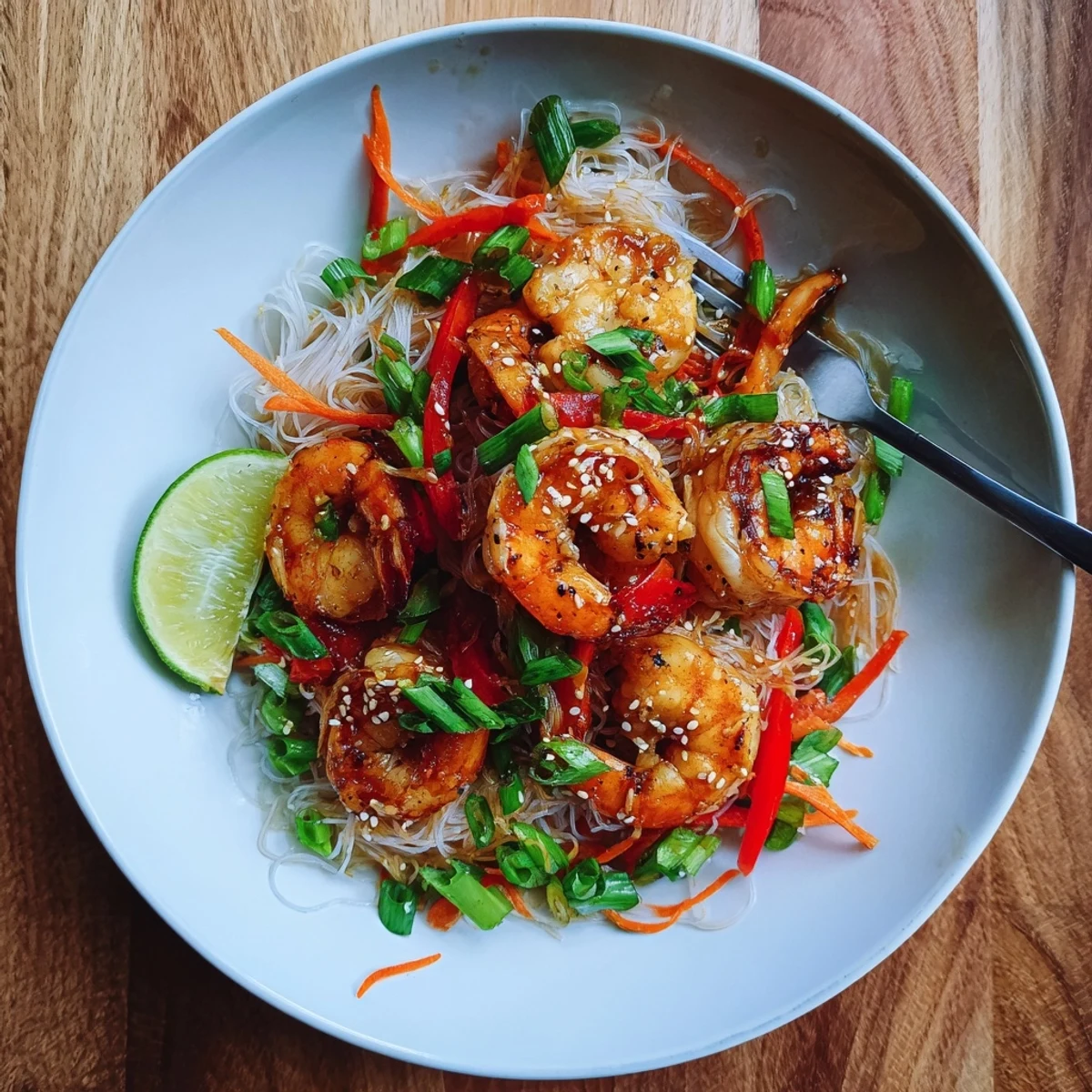
 There is something about a bowl of spicy noodles that turns a regular dinner into an event, and watching friends hover around the wok waiting for a taste is honestly the best compliment a home cook can get.
When You Need to Swap Things Around
Chicken thighs cut into bite sized pieces work beautifully in place of shrimp, just give them an extra minute or two to cook through properly.
Turning Up or Toning Down the Heat
A sliced fresh red chili added with the garlic will make your lips tingle in the best way, but if you are cooking for someone sensitive, cut the sriracha to half a tablespoon and let them add more at the table.
What to Drink Alongside This
A cold glass of iced green tea or a crisp white wine like a Sauvignon Blanc cuts through the richness and refreshes your palate between bites.
- Chill your serving bowls in the oven on the lowest setting so the noodles stay hot longer.
- Prep all your vegetables and sauce before you turn on the stove because once things start moving they move fast.
- Leftovers reheat beautifully in a skillet with a splash of water and a drizzle of soy sauce.
 Pin it
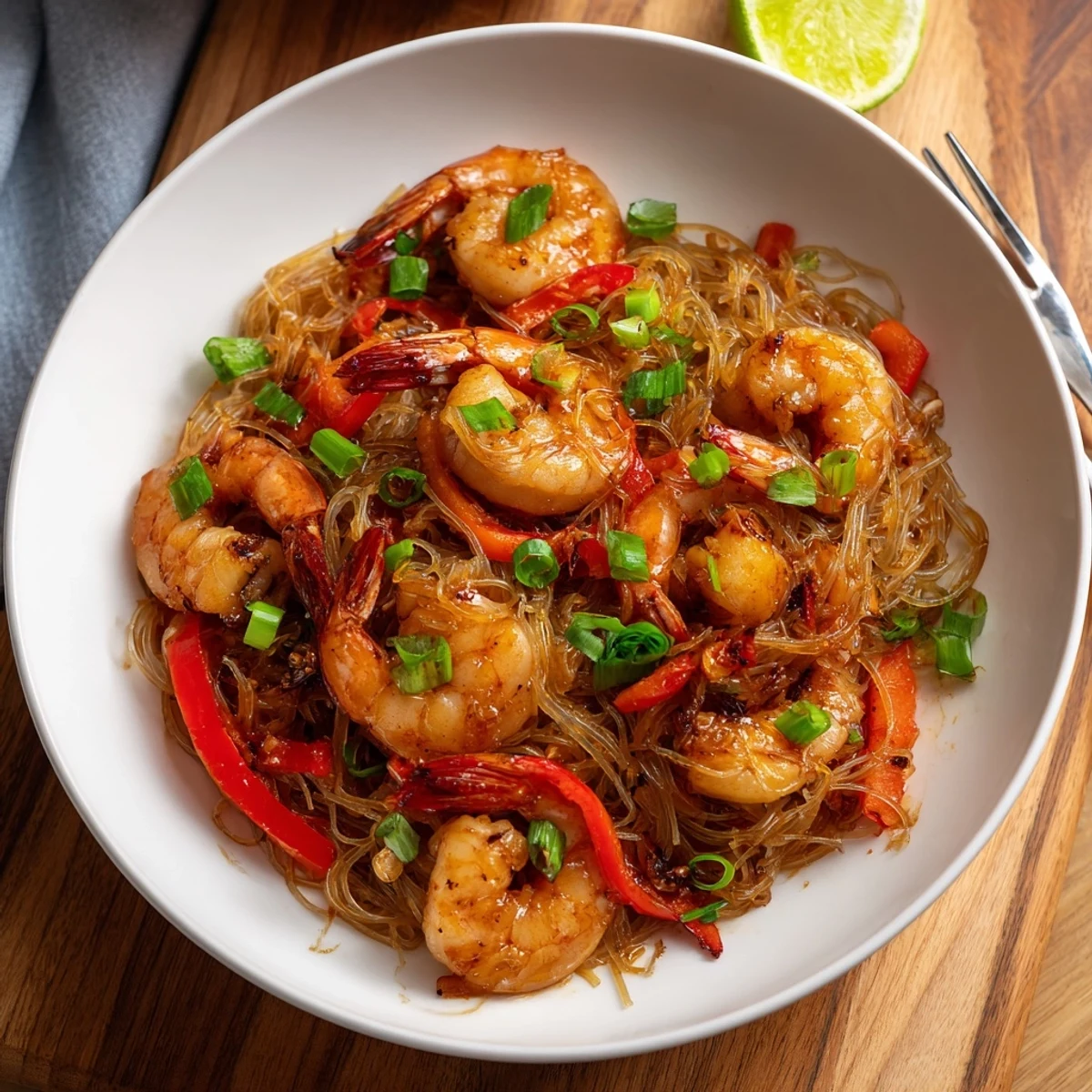
 Keep a wok or large skillet within reach, your sauce pre mixed, and your appetite ready because this is the kind of recipe that earns a permanent spot in your weeknight rotation.
Recipe Q&A Section
- → Which noodles work best here?
-
Rice noodles give a delicate texture and soak up sauce, while egg noodles add chew. Choose based on preferred mouthfeel; adjust cooking time to package directions.
- → How do I avoid overcooking shrimp?
-
Use high heat and cook shrimp just until they turn pink and curl slightly, about 2–3 minutes. Remove them briefly if vegetables need more time, then return to finish.
- → How can I control the heat level?
-
Start with less sriracha, taste after tossing, and add more to increase heat. Removing seeds from fresh chilis or using chili flakes lets you fine-tune spice.
- → Can I make this gluten-free?
-
Yes—swap soy sauce for tamari or a gluten-free soy alternative and confirm oyster and fish sauces are labeled gluten-free. Rice noodles are naturally gluten-free.
- → What are good protein swaps?
-
Firm tofu, sliced chicken breast, or thinly sliced pork work well. Adjust cooking times: tofu can be crisped longer; chicken should reach safe internal temperature.
- → Any tips for balancing the sauce?
-
Taste for salt, sweet and heat. Increase brown sugar to tame heat, add a squeeze of lime for brightness, and a touch of sesame oil for nuttiness at the end.
- → How should leftovers be stored and reheated?
-
Refrigerate in an airtight container for up to 2 days. Reheat gently in a skillet over medium heat, adding a splash of water or oil to revive the sauce and prevent sticking.