
 Pin it
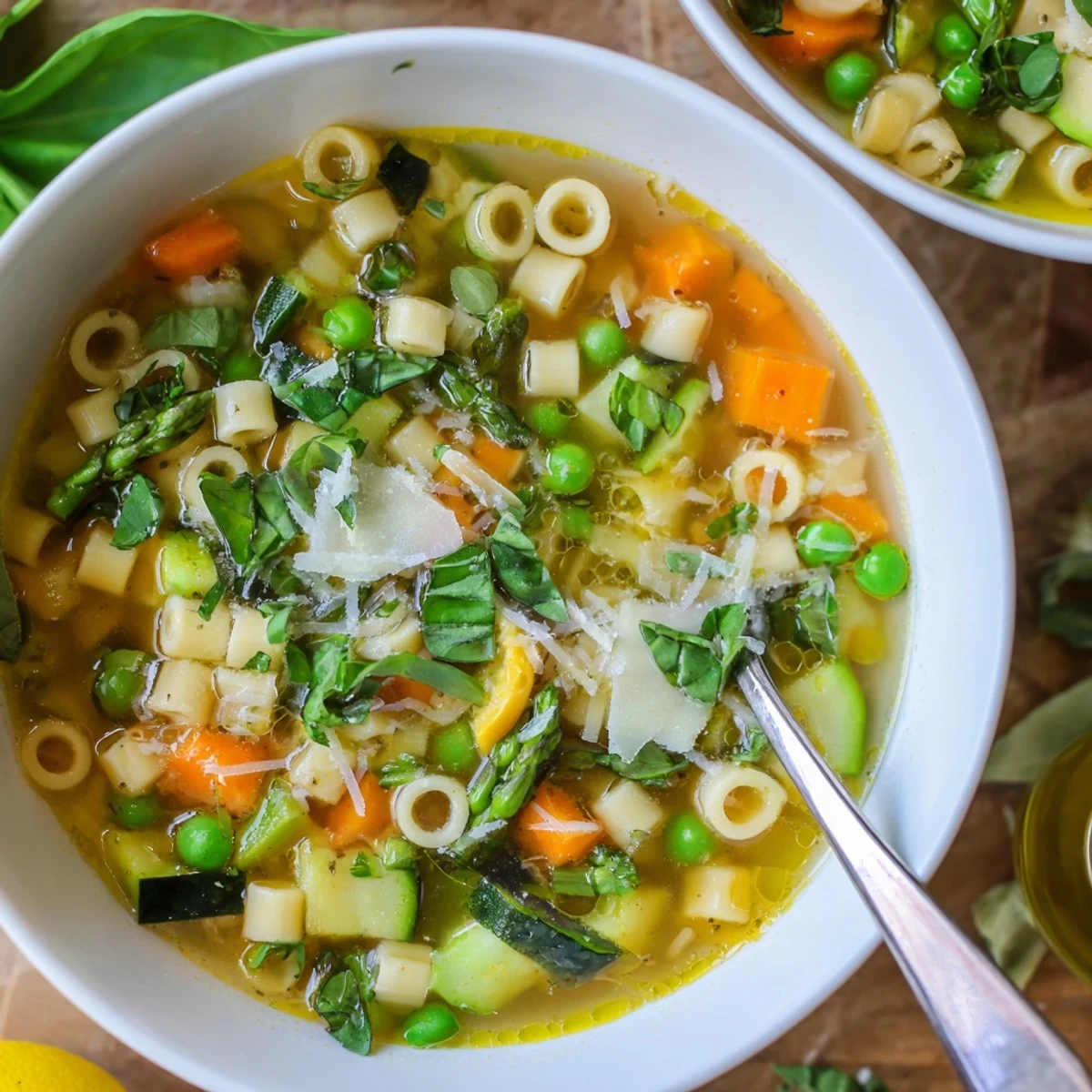
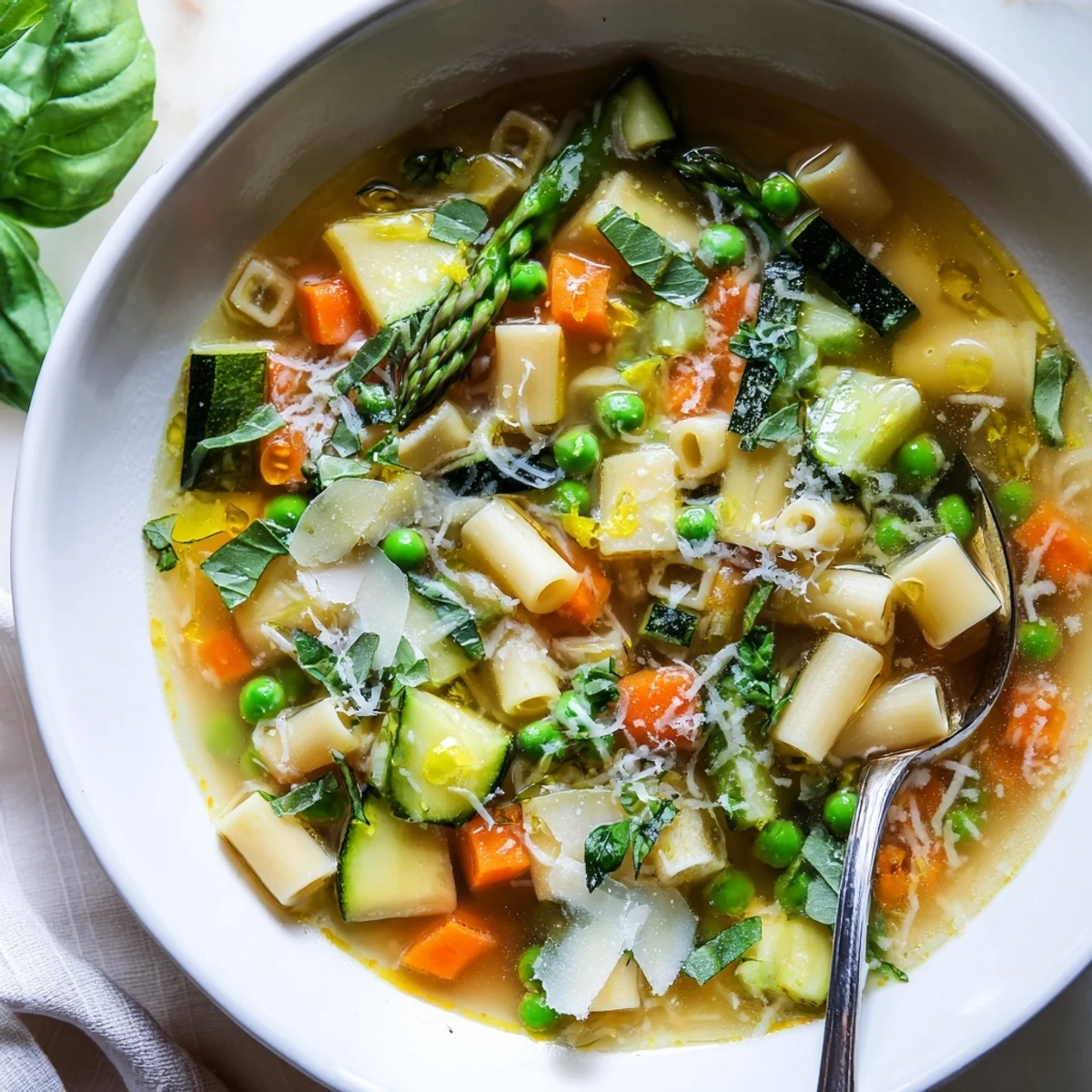
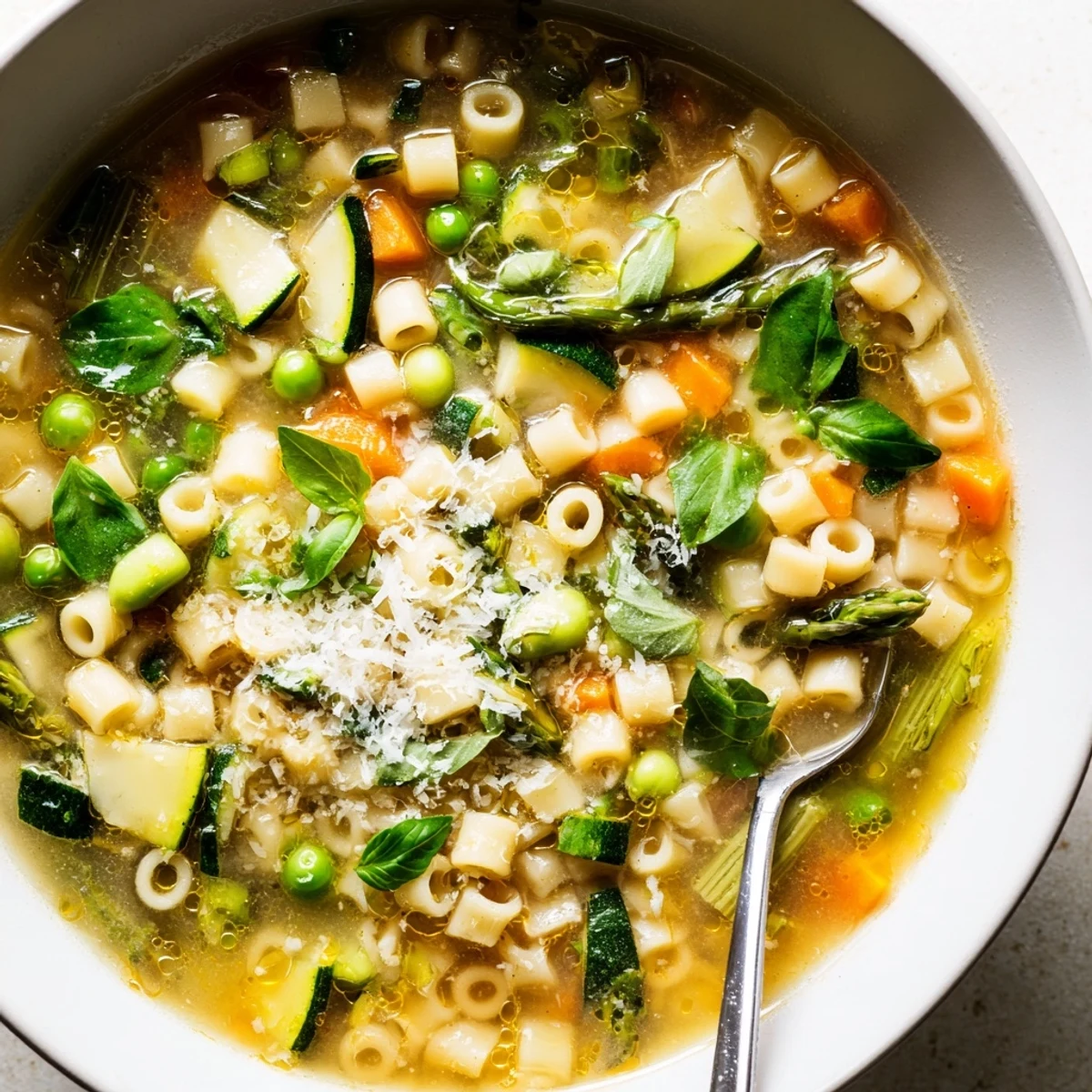
 This vibrant Italian-style soup celebrates the best of spring produce with tender asparagus, sweet peas, and delicate zucchini. The broth becomes rich and savory as the vegetables simmer, while small pasta adds comforting substance. Fresh herbs and a bright squeeze of lemon juice elevate each bowl, creating a light yet satisfying dish that's perfect for lunch or a simple dinner.
The first warm day of spring always sends me to the farmers market with lightness in my step and soup on my mind. Last year I came home with armfuls of asparagus, peas, and the sweetest baby zucchini and decided minestrone didnt need to be a heavy winter meal anymore. This version became my go to for those confusing weeks when winter feels done but spring hasnt quite settled in. Something about bright green vegetables floating in aromatic broth makes everything feel possible again.
My neighbor Sarah dropped by during my third attempt at getting the pasta timing right and ended up staying for dinner. She kept watching the pot, asking why I looked so intense about vegetables and broth. When we finally sat down with steaming bowls, she took one sip and immediately asked for the recipe to make for her picky toddler. That toddler has now requested it three times this month, which feels like the highest possible endorsement.
Ingredients
- 1 tablespoon olive oil: Creates the foundation for sautéing your vegetables and adds a silky richness
- 1 medium leek: Milder than onion with a subtle sweetness that bridges winter and spring flavors perfectly
- 2 garlic cloves: Minced fresh adds an aromatic backbone that elevates the broth
- 2 medium carrots: Diced small they sweeten the soup as they cook and provide beautiful color contrast
- 1 medium zucchini: Cut into similar sized pieces as carrots for even cooking and pleasant texture
- 1 cup asparagus: Trimmed and cut into 1 inch pieces, these bring grassy brightness and that unmistakable spring flavor
- 1 cup fresh or frozen peas: Add them late to preserve their sweetness and bright green pop
- 1 cup baby spinach: Stirred in at the very end for just enough wilt without losing all its freshness
- 5 cups low sodium vegetable broth: Control your seasoning by starting with less salt and adding gradually
- 1 can diced tomatoes: Drain them first so the tomato flavor shines through without making the soup too acidic
- 2/3 cup small pasta: Ditalini or small shells catch in your spoon and turn simple broth into something satisfying
- 1 teaspoon dried thyme and basil: Start with dried herbs that bloom during the simmering process
- 2 tablespoons fresh parsley and basil: Add fresh herbs at the end for brightness that dried herbs can never provide
- Juice of 1/2 lemon: This might seem unusual but it brightens all the flavors and makes the vegetables taste more vibrant
- Grated Parmesan and extra virgin olive oil: The final flourish that transforms home cooking into something restaurant worthy
Instructions
- Build your aromatic base:
- Heat olive oil in your large pot over medium heat and add those sliced leeks, letting them soften and become translucent for about 3 minutes while stirring occasionally to prevent any browning
- Wake up the garlic:
- Add minced garlic and stir constantly for just 1 minute until fragrant but not colored, breathing in that wonderful aroma that fills your kitchen
- Add the harder vegetables first:
- Stir in diced carrots and let them cook for 2 minutes, giving them a head start since they take longer than the softer spring vegetables
- Add tender spring vegetables:
- Toss in zucchini, asparagus, and peas, cooking for another 2 minutes to start developing their flavors before the liquid hits the pot
- Create the soup:
- Pour in vegetable broth and drained diced tomatoes, turning up the heat to bring everything to a gentle boil while all those vegetable flavors start mingling
- Cook the pasta:
- Add pasta, dried thyme, and dried basil, then reduce heat to a simmer and cook uncovered for 8 to 10 minutes until pasta is al dente and vegetables are tender but still holding their shape
- Add fresh elements:
- Stir in baby spinach, fresh parsley, fresh basil, and lemon juice, cooking just 1 to 2 minutes until spinach wilts slightly but still has some structure
- Final seasoning:
- Taste and add salt and pepper as needed, remembering thatParmesan will add saltiness if you choose to garnish
- Serve with love:
- Ladle into warm bowls and finish with grated Parmesan and a generous drizzle of your best olive oil
 Pin it
 Last month my sister called me in tears over a failed dinner party main course and I told her to make this soup instead. She threw it together in forty five minutes, served it with good bread, and said her guests talked more about the soup than any other course. Now she keeps all the ingredients in her pantry for emergency dinner situations.
Making It Your Own
Ive discovered this soup is incredibly forgiving and adaptable to whatever looks good at the market. Green beans, fava beans, or artichoke hearts all work beautifully when you want to switch things up. The beauty lies in keeping the vegetables spring like and bright rather than heading toward heavier winter roots.
Perfect Pairings
A crusty slice of sourdough or ciabatta is non negotiable for sopping up that flavorful broth at the bottom of your bowl. A simple arugula salad with lemon vinaigrette on the side turns this soup into a complete meal. If you want something extra, a glass of crisp white wine like Pinot Grigio echoes the vegetables perfectly.
Make Ahead Magic
This soup actually tastes better the next day when all those flavors have had time to become better acquainted. Store it in the refrigerator for up to 3 days, knowing you might need to splash in extra broth when reheating. The pasta will plump up quite a bit, so I actually prefer cooking pasta fresh when I serve leftovers to maintain that perfect texture.
- Let the soup cool completely before refrigerating to prevent bacterial growth
- Freeze without pasta for up to 3 months, adding fresh pasta when you reheat
- Reheat gently over medium low heat, stirring occasionally to prevent sticking
 Pin it
 Theres something deeply comforting about a bowl of soup that tastes like the season itself. I hope this recipe becomes part of your spring rotation, bringing lightness and warmth to your table whenever you need it most.
Recipe Q&A Section
- → What vegetables are in spring minestrone?
-
Spring minestrone features leeks, carrots, zucchini, asparagus, peas, and baby spinach. These fresh vegetables create a colorful, nutrient-rich base that's lighter than traditional winter versions.
- → How long does it take to make?
-
Total time is 45 minutes: 20 minutes for preparation and 25 minutes for cooking. The soup comes together quickly for a satisfying weeknight meal.
- → Can I make it gluten-free?
-
Yes, simply substitute gluten-free pasta for the regular small pasta. All other ingredients are naturally gluten-free.
- → How should I store leftovers?
-
Leftovers keep well in the refrigerator for up to 3 days. The pasta may absorb some broth, so add extra liquid when reheating to reach desired consistency.
- → Can I use other seasonal vegetables?
-
Absolutely. Green beans, fava beans, or artichoke hearts work beautifully. The beauty of minestrone is its versatility with whatever vegetables are in season.
- → Is it suitable for vegetarians?
-
Yes, this minestrone is vegetarian. For a vegan version, simply omit the Parmesan garnish or use a plant-based alternative.