
 Pin it
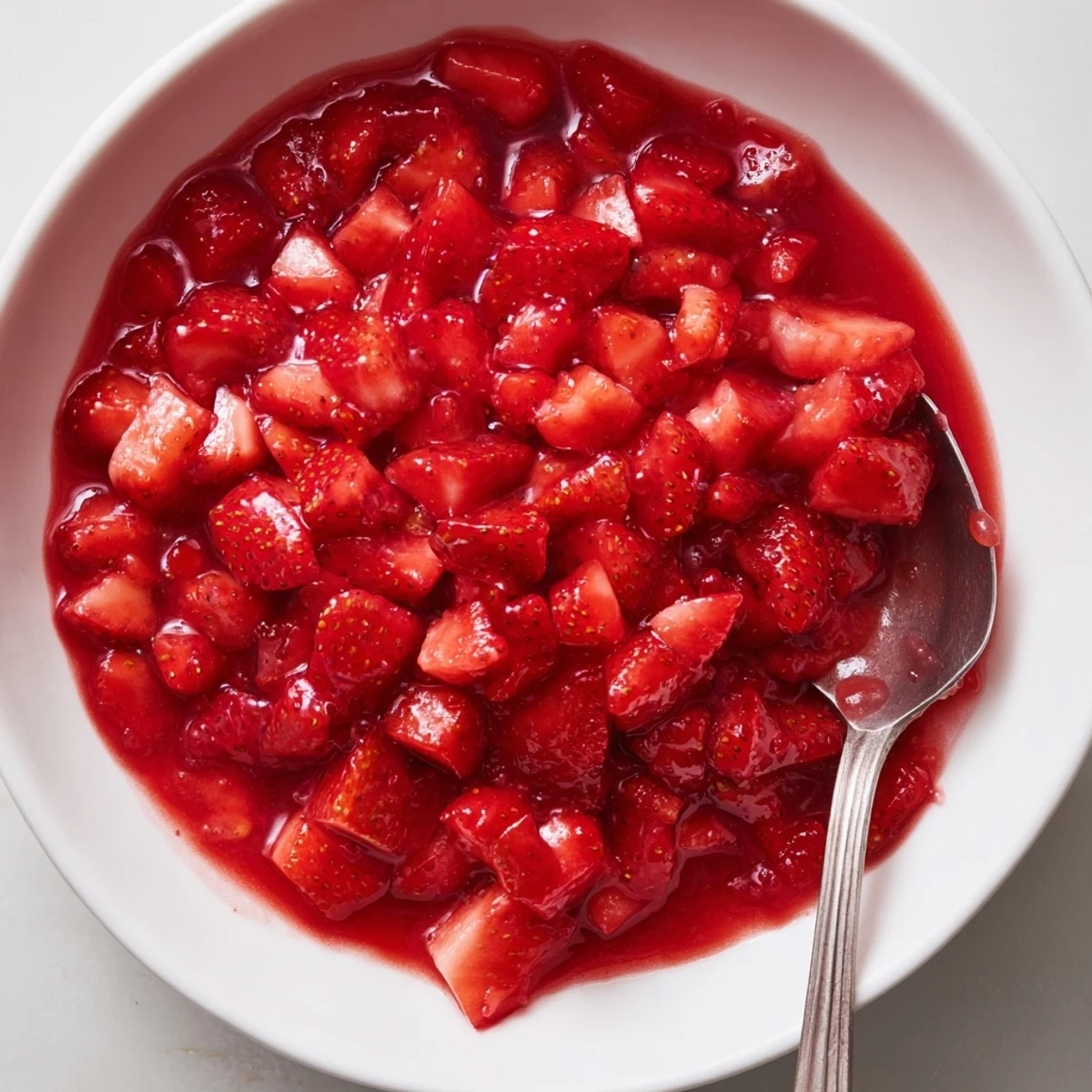
 This quick strawberry cake filling comes together in about 25 minutes. Dice fresh berries, cook with sugar and lemon until they soften and release juices, then whisk in a cornstarch slurry and simmer until glossy and thick. Stir in vanilla, cool fully to let it set, and use between layers or in pastries. Store chilled up to 5 days; mash or blend for a smoother finish and adjust sugar to taste.
The scent of simmering strawberries always fills my kitchen with a sense of excitement and anticipation. One spring afternoon, with a gentle breeze coming through the window and a basket of just-picked berries on the counter, I first tried making this strawberry cake filling to rescue berries that were just shy of perfect for snacking. I remember how easily the fruit transformed into a ruby-red, glossy spread I couldn't resist tasting from the spoon. There's something quietly satisfying about conjuring up such a vibrant filling in under half an hour.
When I first made this for my niece's birthday cake, I worried it might be too messy or runny in the center. But we laughed as we spread it on, sneaking a few tastes, and it held up beautifully between the layers. Now it's the most requested part of all our family cakes—my niece claims it's the best 'jam' she's ever had.
Ingredients
- Fresh strawberries: The riper and more fragrant, the deeper the flavor—I always look for berries that stain my fingers red.
- Granulated sugar: It doesn't just sweeten—it encourages the strawberries to release their luscious juices, so don't skimp, but do taste as you go.
- Lemon juice: A squeeze brightens the berries and balances sweetness—fresh juice is best, and I find it brings everything together.
- Cornstarch: The secret to that just-thick-enough consistency—I've learned to whisk it well with water so there are never any lumps.
- Water: Just enough to help dissolve the cornstarch and mix in smoothly—don't add more or the filling will be runny.
- Pure vanilla extract (optional): A tiny splash rounds out the flavors—I save it for when I want an extra hint of sweetness.
Instructions
- Get your strawberries started:
- Add the diced strawberries, sugar, and lemon juice to a medium saucepan and give everything a gentle stir—listen for the quiet crackle as sugar coats the fruit.
- Simmer the fruit:
- Place on medium heat and stir occasionally; the berries will soften and release a crimson juice after a few minutes, filling the kitchen with a sweet aroma.
- Prepare your thickener:
- While the berries cook, whisk the cornstarch and water in a small bowl until combined and silky, no lumps left.
- Thicken the filling:
- Pour the cornstarch slurry into the bubbling berries, then stir continuously; watch as the mixture turns glossy and thickens in just minutes.
- Finish and cool:
- Take the pan off the heat, stir in vanilla extract if you like, and let the filling cool completely—it'll set up even more as it sits.
- Store or use:
- Spoon the cooled filling between cake layers, into cupcakes, or over yogurt; seal any leftovers in an airtight container in the fridge for up to 5 days.
 Pin it
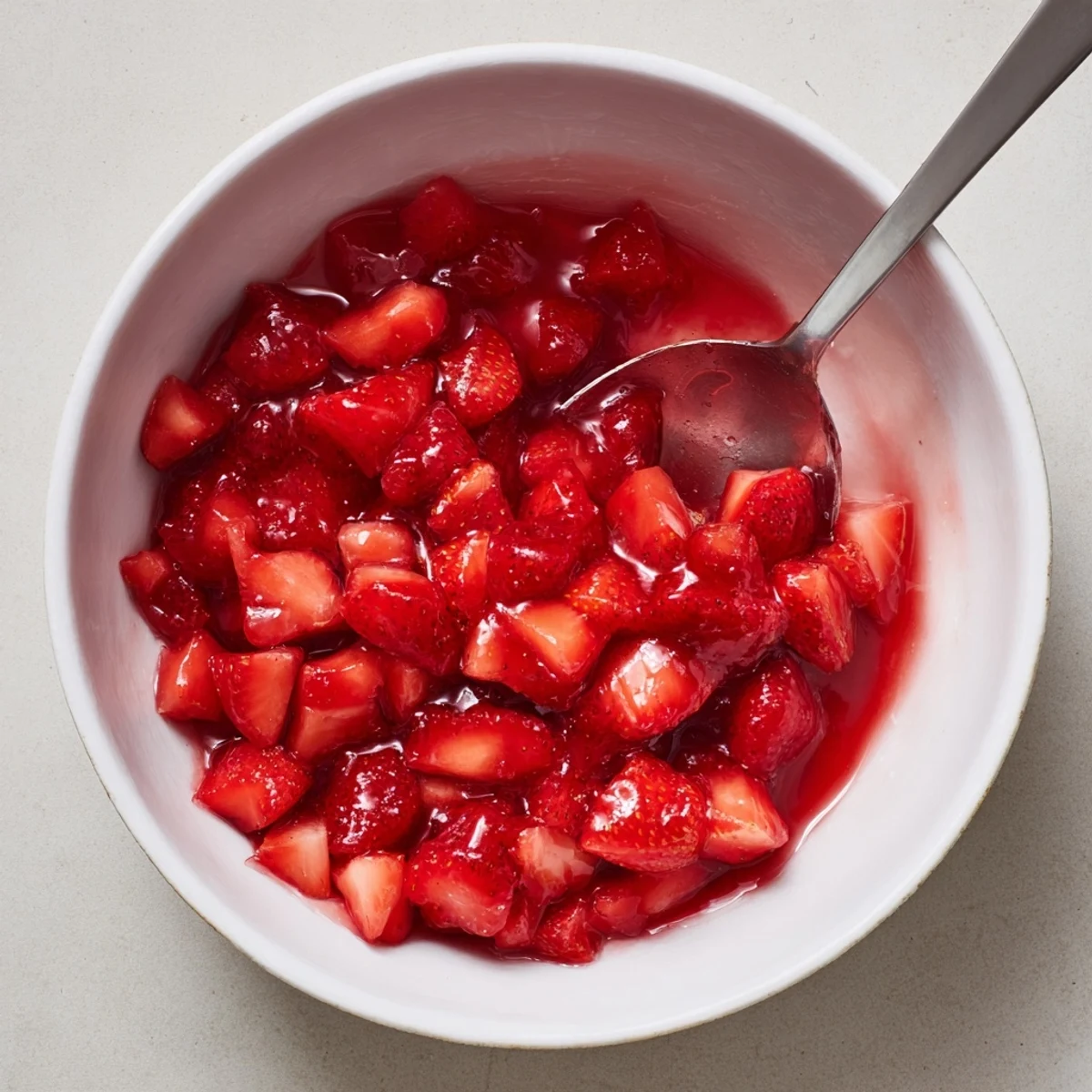
 There's a memory I love of swirling spoonfuls of this filling through vanilla yogurt with a friend during a late-night baking session—what was meant for a cake ended up as the highlight of our snack. That moment reminded me that the best recipes invite improvisation and good company.
Using Up Leftover Filling
Even if you only need enough to fill one cake, don't worry if you have extra. It makes a fantastic topping for pancakes, waffles, or ice cream, and a swirl turns plain yogurt into an instant dessert.
Swaps and Variations
I've played around with swapping in blueberries or raspberries when strawberries are out of season—each version brings its own surprise, so don't hesitate to experiment. A touch more sugar or lemon lets you tailor the flavor of each batch just the way you like it.
Mistakes and Quick Fixes
One batch thickened too much on the stove—stirring in a spoonful of water right at the end saved it from becoming more jam than filling. If you accidentally get lumps, a quick press with a fork or blitz with an immersion blender smooths things right out. Mostly, I've learned cake filling forgives little mishaps as long as you taste and adjust.
- If you're short on time, spread the warm filling—just expect it to soak more into the cake.
- Don't skip the lemon juice; it wakes the berries up in the best way.
- Taste for sweetness as berries vary—sometimes they do all the work for you.
 Pin it
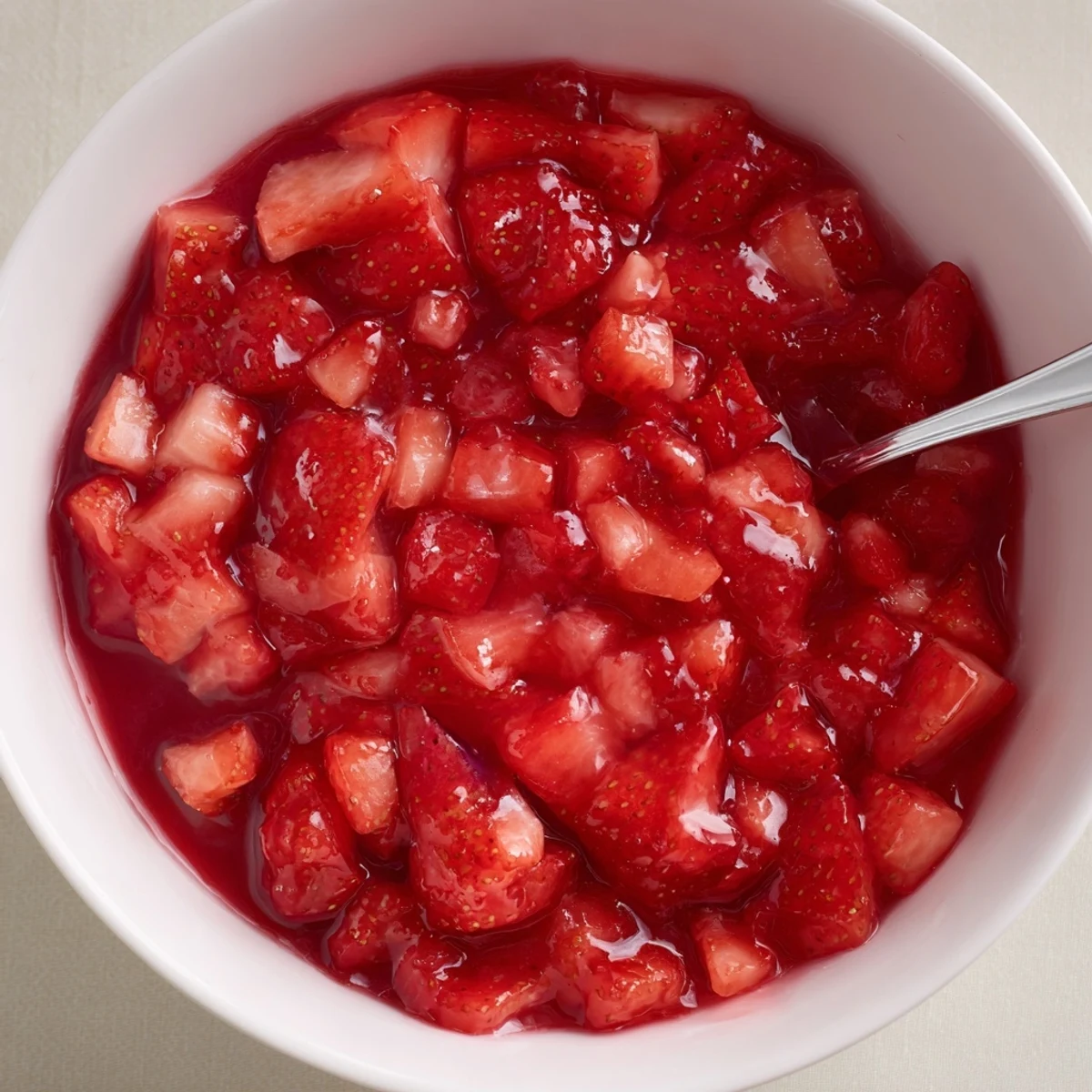
 Serve this filling at your next gathering and watch everyone lean in for just one more bite. Sometimes, a little homemade touch makes even the simplest dessert unforgettable.
Recipe Q&A Section
- → How can I thicken the filling without cornstarch?
-
Use arrowroot or tapioca starch as 1:1 substitutes, or reduce the cooked fruit longer to concentrate juices. Pectin or a small amount of gelatin can also set the filling, though they give a different mouthfeel.
- → What’s the best way to get a smooth texture?
-
Mash the berries with a fork while cooking, or use an immersion blender briefly before cooling. For ultra-smooth results, press the cooked mixture through a fine mesh sieve to remove seeds and solids.
- → Can I use frozen strawberries instead of fresh?
-
Yes. Thaw and drain excess liquid, then adjust cooking time — frozen berries may release more juice, so cook a bit longer or use slightly more thickener to reach the same gloss and body.
- → How do I prevent the filling from making cake layers soggy?
-
Let the filling cool and firm completely before assembling. Use a thin crumb coat of buttercream to act as a seal between sponge and filling, and avoid overhydrating the fruit when cooking.
- → How long will the filling keep and can it be frozen?
-
Refrigerate in an airtight container for up to 5 days. For longer storage, freeze in a sealed container for up to 2 months; thaw overnight in the refrigerator and stir gently before use.
- → Can I substitute other fruits for strawberries?
-
Yes — raspberries, blueberries, or a mixed-berry blend work well. Adjust sugar and cooking time to account for natural sweetness and acidity differences among fruits.