
 Pin it
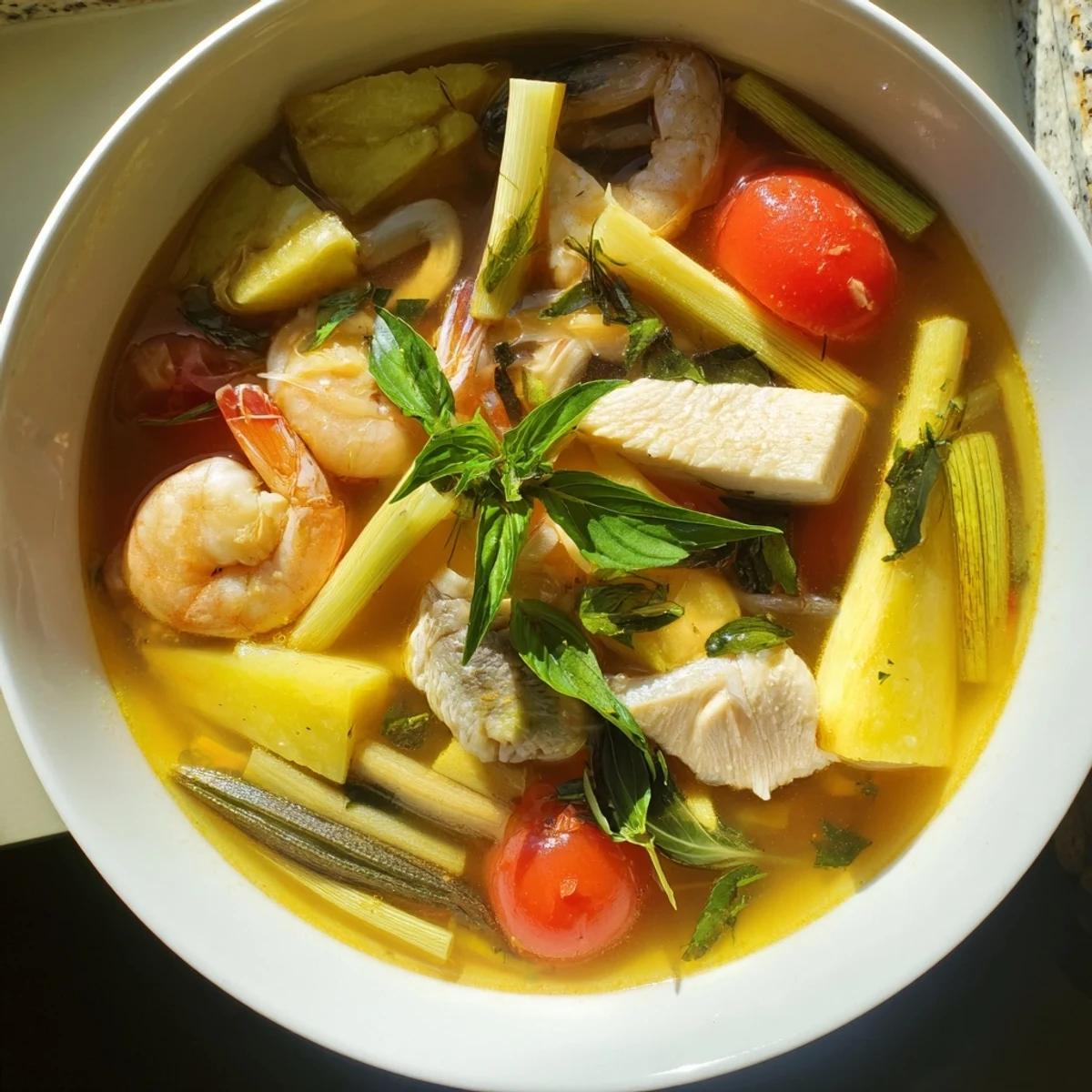
 This traditional Vietnamese soup combines the perfect balance of sweet, sour, and savory flavors. White fish fillets simmer alongside juicy pineapple chunks, fresh tomatoes, and crisp vegetables in a fragrant tamarind broth. The dish gets its signature aromatic finish from Thai basil, sawtooth coriander, and cilantro. Ready in just 40 minutes, this gluten-free soup delivers restaurant-quality results at home with simple techniques and accessible ingredients.
The steam rising from my auntie\'s tiny kitchen in Saigon still haunts me in the best way possible. She\'d wake up before dawn to prep the pineapple and tomatoes, the whole house smelling like tamarind and promise. I spent hours trying to decode her \"a little of this, a little of that\" measurements, watching how she\'d taste the broth with intense concentration, adjusting until her eyes lit up.
Last rainy season, I made this for friends who were going through a rough patch. We sat around mismatched bowls, shoulders hunched together against the damp, and watched the steam curl up toward the ceiling. Something about that hot, sour, gentle broth just melted the tension out of the room. Now every time I smell tamarind, I remember how soup can fix so many things.
Ingredients
- 500 g white fish fillets: Catfish holds up beautifully but tilapia works perfectly too, just dont overcook it or itll fall apart
- 8 large shrimp: Totally optional but adds this lovely sweet contrast to the tangy broth
- 2 medium tomatoes: Wedges thatll soften into the soup, adding body and a subtle sweetness
- 1 small pineapple: Fresh is absolutely crucial here, canned just doesnt have that bright acidic punch
- 150 g bean sprouts: Add these at the very end so they stay crisp and fresh
- 150 g okra: Sliced thin adds this beautiful texture and helps thicken slightly
- 2 stalks celery or bạc hà: The elephant ear stem is traditional but celery brings a similar aromatic crunch
- 2 cloves garlic: Minced fine and cooked just until fragrant, never burnt
- 1 small onion: Sliced into thin half moons that soften into sweetness
- 2 birds eye chilies: Optional but that little heat kick makes everything pop
- 1.5 liters water or fish stock: Stock adds depth but water works if your ingredients are fresh
- 3 tablespoons fish sauce: The salty backbone, add gradually and taste as you go
- 2 tablespoons tamarind paste: This is the soul of the dish, that perfect tangy sour note
- 1 tablespoon sugar: Just enough to round out the sharp edges
- 1 teaspoon salt: Adjust based on how salty your fish sauce is
- ½ teaspoon ground black pepper: Fresh ground makes a noticeable difference
- 20 g fresh Thai basil: Tear it by hand and add at the very end, cooking destroys its magic
- 20 g sawtooth coriander: If you cant find it, extra cilantro works though the flavor is different
- 10 g fresh cilantro: Chopped coarse and scattered generously
- Lime wedges: For squeezing at the table, that final bright note
Instructions
- Build your aromatic foundation:
- Heat a splash of oil in your large pot over medium heat, then sauté the minced garlic and sliced onion until they\'re fragrant and just starting to soften, about 2 minutes. The kitchen should start smelling amazing right about now.
- Create the broth:
- Pour in your water or fish stock, then stir in the tamarind paste, fish sauce, sugar, and salt. Let this come to a gentle boil while the flavors start mingling together.
- Add the hearty vegetables:
- Toss in the pineapple, tomatoes, okra, celery, and those chilies if you\'re using them. Let everything simmer for 5 to 7 minutes until the vegetables are just tender but still hold their shape.
- Cook the seafood gently:
- Add your fish chunks and shrimp if you\'re using them, then lower the heat slightly. Simmer gently for another 5 to 7 minutes until the seafood is just cooked through—overcooking here is the enemy.
- Fresh finish:
- Stir in the bean sprouts and cook for just 1 minute, then taste and adjust the seasoning with more fish sauce, sugar, or lime juice until you hit that perfect sweet, sour, salty balance.
- Herb time:
- Remove from heat completely before stirring in the Thai basil, sawtooth coriander, and cilantro. The residual heat will wilt them just enough to release their oils without killing that fresh vibrant flavor.
- Serve it up:
- Ladle into bowls while it\'s still piping hot, with extra herbs scattered on top and lime wedges on the side for squeezing.
 Pin it
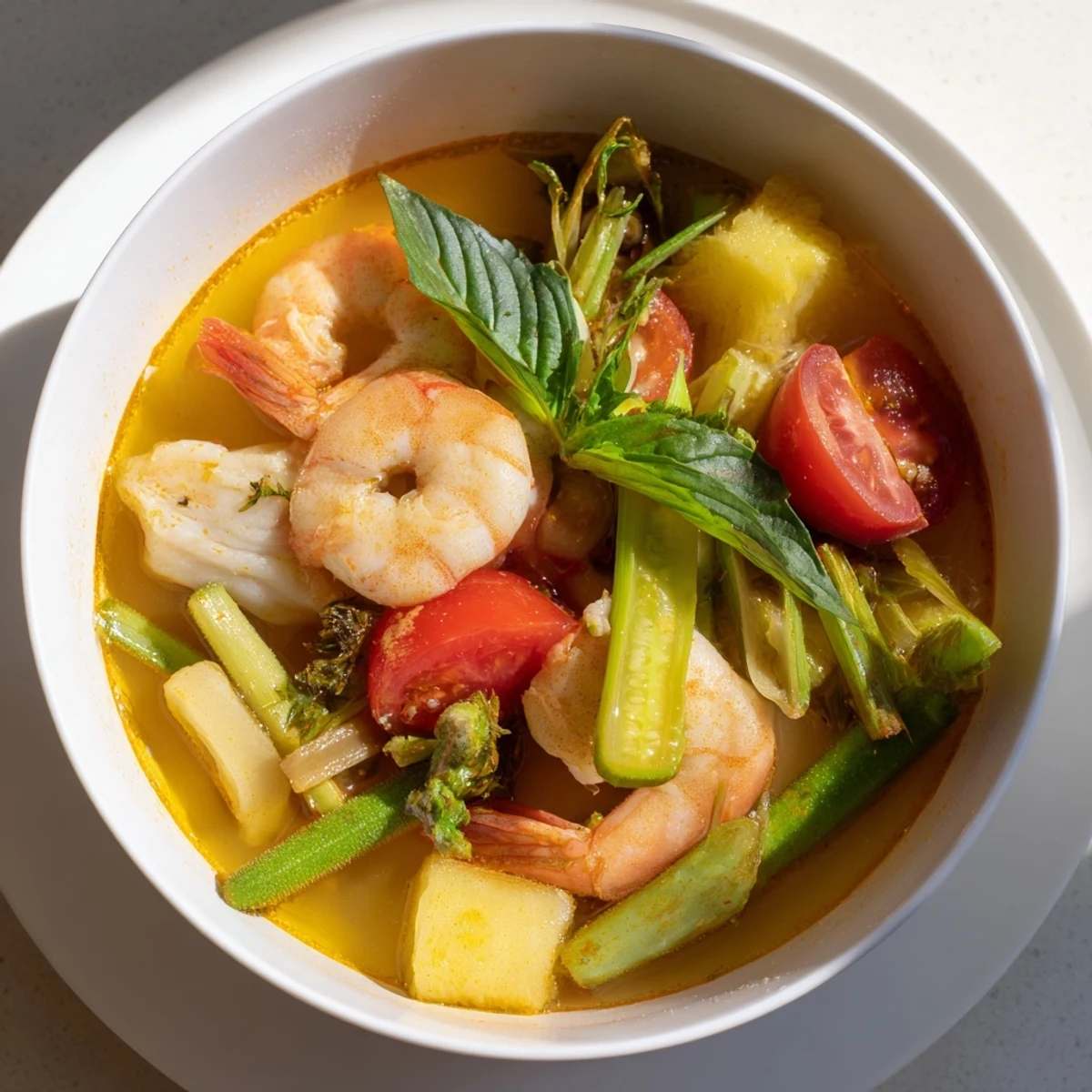
 My cousin once accused me of being obsessive about the herb placement in the serving bowls. But honestly, seeing those green flecks floating on top against the golden broth is part of the joy. Food should be beautiful before it\'s even tasted.
Getting That Balance Right
The magic of canh chua lives in that interplay between sweet pineapple and sour tamarind. I keep a small bowl of water on the counter while cooking—one sip clears my palate between tastings so I can judge the flavors accurately. Sometimes I add lime juice at the end for an extra bright kick.
Make It Your Own
My vegetarian version swaps the fish for pressed tofu cubes and uses a rich mushroom stock instead. The texture changes but that soul satisfying combination of hot, sour, sweet, and fresh remains completely intact. That\'s the beauty of this soup—it\'s about balance, not rigid rules.
Serving Suggestions
This soup deserves to be the star of the table. I love it with steamed jasmine rice that soaks up all that incredible broth, or over vermicelli noodles for a more substantial meal.
- Have extra fish sauce at the table so everyone can adjust to their taste
- Fresh cracked black pepper right before serving makes a huge difference
- The soup actually tastes better the next day, if you somehow have leftovers
 Pin it
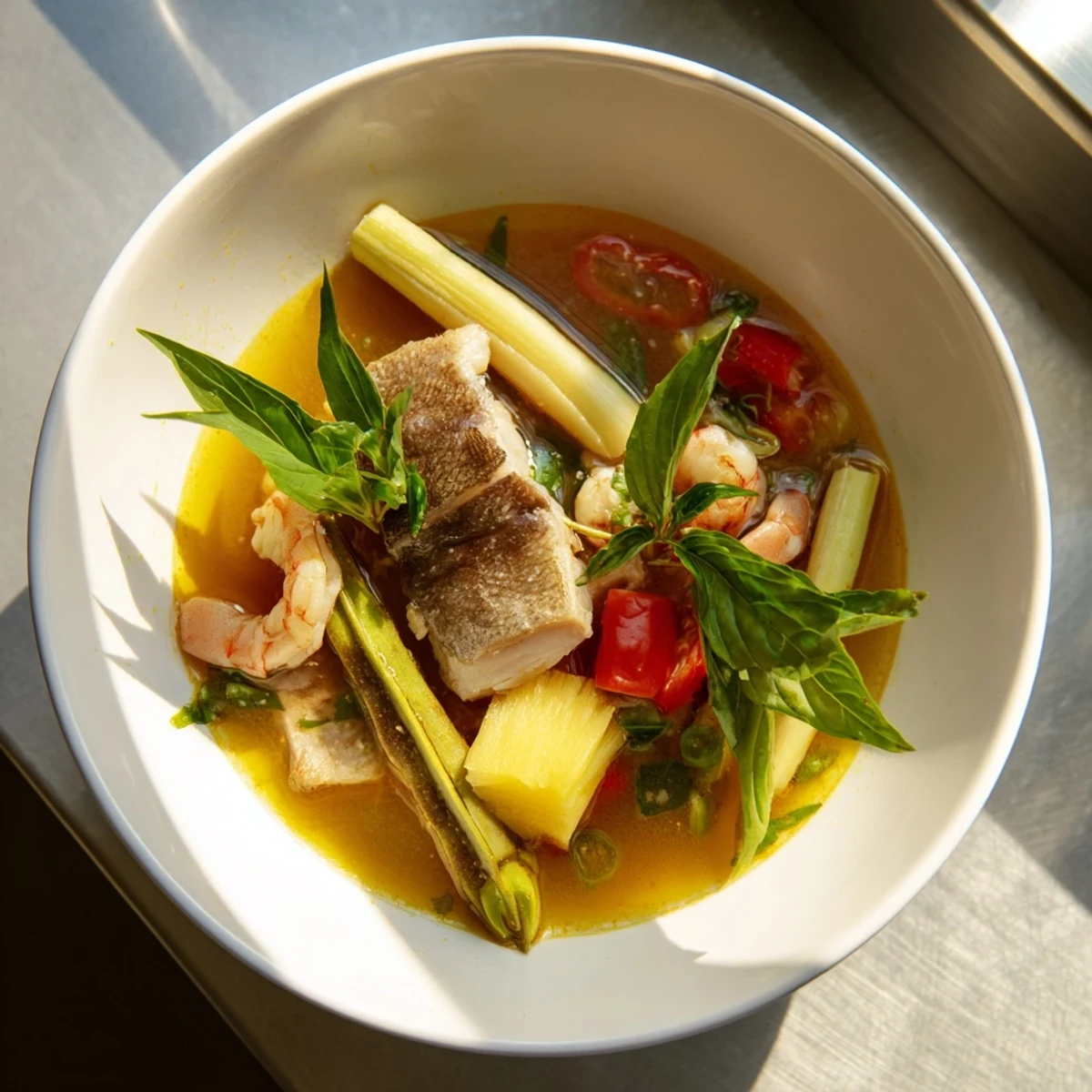
 Theres something so comforting about a soup that can wake you up and calm you down at the same time. I hope this recipe finds its way into your regular rotation, just like it has in mine.
Recipe Q&A Section
- → What makes Canh Chora unique?
-
The distinctive flavor comes from the tamarind-based broth balanced with fresh pineapple sweetness, fish sauce savoriness, and aromatic herbs like Thai basil and sawtooth coriander that create Vietnam's signature sweet-sour profile.
- → Can I make this vegetarian?
-
Absolutely. Substitute firm tofu cubes for the fish and shrimp, then use vegetable or mushroom stock instead of fish-based broth. The tangy-sweet balance remains equally delicious.
- → What fish works best?
-
White fillets like catfish, basa, or tilapia hold their shape beautifully during simmering. Their mild flavor lets the tangy broth shine while providing tender, flaky texture in every spoonful.
- → How do I balance the flavors?
-
Taste your broth near the end. Add more tamarind for sourness, sugar for sweetness, or fish sauce for saltiness. The goal is harmony where no single flavor overpowers the others.
- → What should I serve with it?
-
Steamed jasmine rice makes the perfect companion to soak up the flavorful broth. Alternatively, vermicelli noodles work wonderfully for a more substantial bowl.
- → Can I prepare this ahead?
-
The broth base tastes even better the next day. However, add the fish and fresh herbs just before serving to maintain their texture and vibrant appearance.