
 Pin it
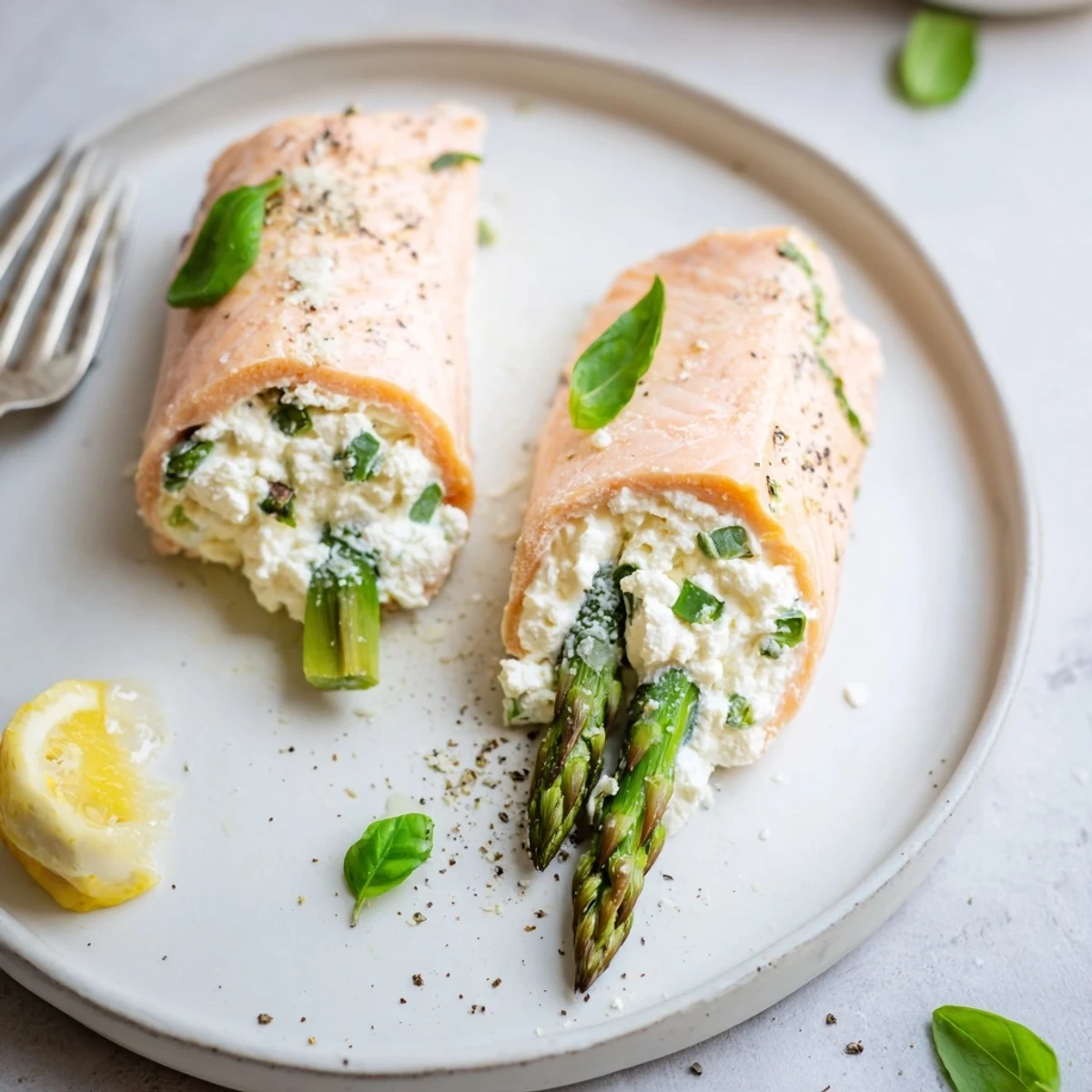
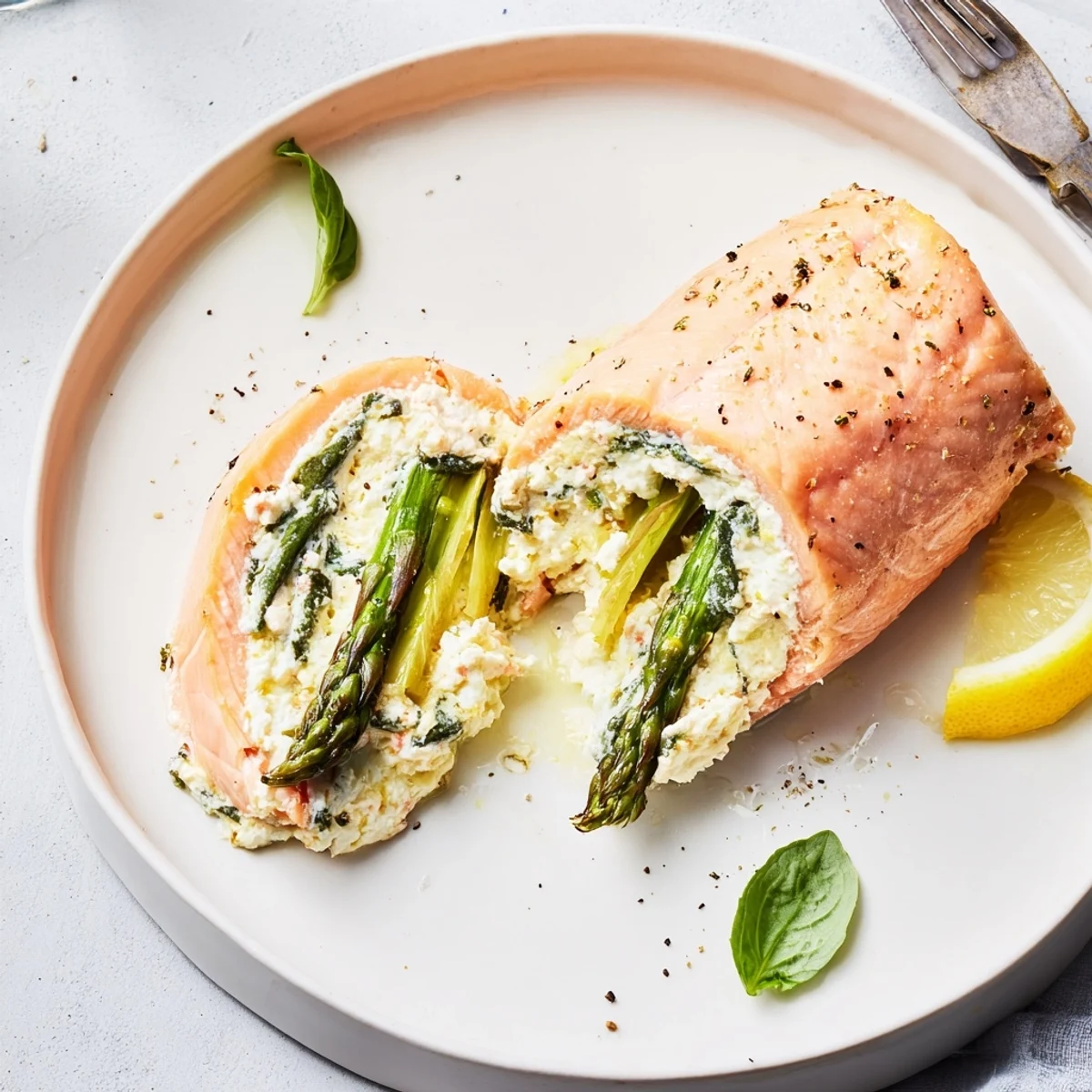
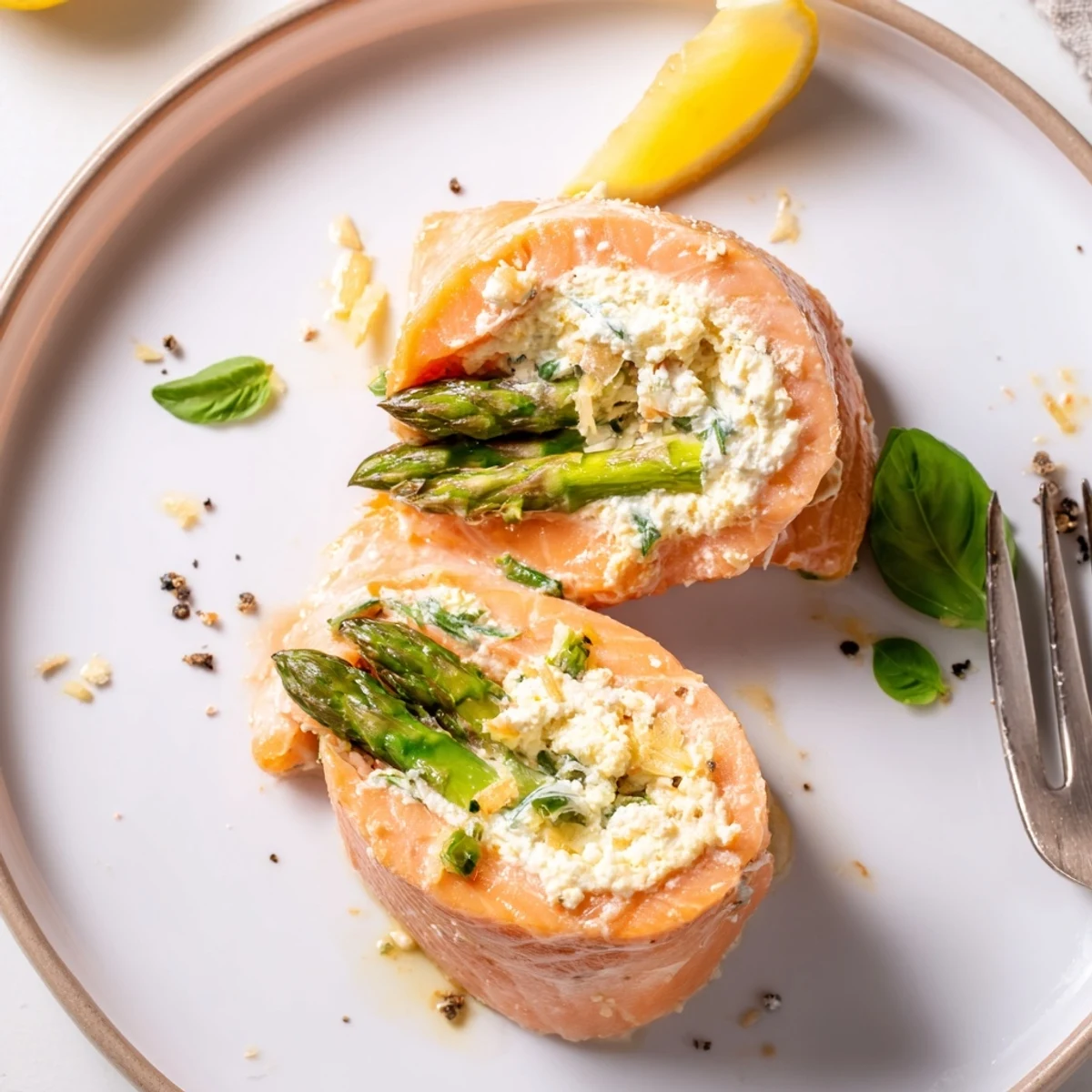
 Roll salmon fillets around a lemon-basil ricotta filling and blanched asparagus spears, secure with twine or toothpicks, brush with olive oil, and bake at 200°C (400°F) for 18–20 minutes until the fish flakes easily. Prep about 25 minutes; serves four. Swap spinach for basil or goat cheese for ricotta, and serve with lemon wedges and a light salad or roasted potatoes.
The farmers market had just started carrying spring asparagus the morning I decided salmon rolls needed a serious upgrade in my kitchen rotation. I had been eyeing a tub of fresh ricotta at the cheese stand and somehow the two ingredients collided in my head on the walk home, followed immediately by the thought of bright lemon and torn basil. That impromptu combination turned into one of the most elegant weeknight dinners I have ever pulled off without a recipe in front of me.
My neighbor stopped by the evening I was testing these rolls and ended up sitting at the kitchen counter watching me thread asparagus into salmon like it was a cooking show. She declared it the best thing she had eaten all spring, and I had to agree while trying not to burn my fingers removing toothpicks too soon.
Ingredients
- 4 skinless salmon fillets, about 180 g each: Ask your fishmonger for pieces that are roughly rectangular and evenly thick so they roll without tearing.
- 200 g ricotta cheese: Whole milk ricotta gives the creamiest texture, and draining it for ten minutes prevents a watery filling.
- 1 lemon for zest and 2 tbsp juice: Fresh is nonnegotiable here since the bottled stuff tastes flat against the rich salmon.
- 2 tbsp fresh basil leaves, finely chopped: Tear some extra for garnish because the fragrance alone will make everyone hungry.
- 1 small garlic clove, minced: One is enough to add warmth without overpowering the delicate lemon and basil balance.
- 1 tbsp grated Parmesan cheese: This small amount deepens the savory character of the ricotta without making it heavy.
- Salt and pepper to taste: Season the filling generously because the salmon itself needs less salt once rolled.
- 16 thin asparagus spears, ends trimmed: Thin spears bend more easily inside the rolls and cook through perfectly in the oven time.
- 1 tbsp olive oil: A light brush over the outside creates that beautiful golden finish.
- Fresh basil leaves and lemon wedges for serving: These final touches make the plate sing with color and brightness.
Instructions
- Prepare your oven and pan:
- Heat the oven to 200 degrees Celsius which is 400 Fahrenheit, line a baking sheet with parchment paper, and let it sit ready while you work through the filling so everything flows smoothly.
- Build the ricotta filling:
- Combine the ricotta, lemon zest, lemon juice, chopped basil, minced garlic, Parmesan, salt, and pepper in a bowl and stir until the mixture looks uniformly creamy with flecks of green and yellow running through it.
- Blanch the asparagus:
- Drop the trimmed spears into boiling water for exactly two minutes, then scoop them straight into a bowl of ice water so they stay vividly green and retain just enough bite.
- Stuff and roll the salmon:
- Lay each fillet flat with what was the skin side facing down, spread a quarter of the ricotta mixture along one long edge, lay four asparagus spears on top of the filling, and roll the fish tightly around everything.
- Secure and season the rolls:
- Place each roll seam side down on the parchment, tucking a toothpick or tying kitchen twine around it if the fish wants to spring open, then brush the tops with olive oil and add a gentle sprinkle of salt and pepper.
- Bake until perfectly cooked:
- Slide the tray into the oven for 18 to 20 minutes, checking at the earliest mark because the salmon should just begin to flake when you press it gently with a fork.
- Finish and serve:
- Carefully remove any toothpicks or twine, arrange the rolls on plates with torn basil and lemon wedges beside them, and serve immediately while the filling is still warmly soft.
 Pin it
 Serving these rolls on a long platter at a dinner party made everyone at the table go quiet for a moment, which is honestly the highest compliment any home cook can receive.
What to Serve Alongside
A simple arugula salad dressed with nothing more than lemon juice and good olive oil cuts through the richness beautifully, and a chilled glass of Sauvignon Blanc turns the whole meal into something that feels like a celebration even on a random Tuesday.
Swaps and Substitutions
Goat cheese works in place of ricotta if you want a tangier filling, and fresh spinach leaves can stand in for basil when the herb garden has not caught up with your appetite. Roasted potatoes on the side make it heartier for bigger appetites.
Getting Ahead and Storing Leftovers
You can assemble the rolls up to four hours before baking and keep them covered in the refrigerator, which makes entertaining far less stressful. Leftovers stored in an airtight container reheat gently the next day but are also excellent eaten cold straight from the fridge.
- Pat the salmon completely dry before adding the filling so nothing slides around during rolling.
- If your fillets are unevenly thick, pound the thicker end slightly between two sheets of parchment.
- Always remember to count your toothpicks before baking so you can count them again when removing them.
 Pin it
 This recipe turned a quiet spring evening into one of those meals I keep craving and recreating whenever asparagus shows up at the market again.
Recipe Q&A Section
- → How can I tell when the salmon is done?
-
The fish is ready when it flakes easily with a fork and the flesh turns opaque throughout. For a precise check, the center should reach about 63°C (145°F); remove from the oven as carryover heat will finish cooking.
- → Why blanch the asparagus first?
-
Blanching for 1–2 minutes then shocking in ice water brightens the color and softens the spears slightly so they cook through while the salmon finishes in the oven, avoiding a tough texture.
- → What can I use instead of ricotta?
-
Try goat cheese for tang, mascarpone for richness, or a blend of cream cheese and grated Parmesan for a similar creamy texture. Adjust lemon and salt to balance the substitute.
- → How do I keep the rolls from unwrapping during baking?
-
Secure each roll with kitchen twine or toothpicks and place them seam-side down on the baking sheet. A light brush of olive oil helps the exterior brown evenly and hold shape.
- → Can I prepare these ahead of time?
-
Assemble the rolls and refrigerate them covered for up to 24 hours. Bring back to cool room temperature briefly before baking to promote even cooking; bake fresh for best texture.
- → How should leftovers be stored and reheated?
-
Cool leftovers and refrigerate in an airtight container for up to 2 days. Reheat gently in a 160°C (325°F) oven until warmed through to avoid drying the salmon; microwaving can make the fish tough.