
 Pin it
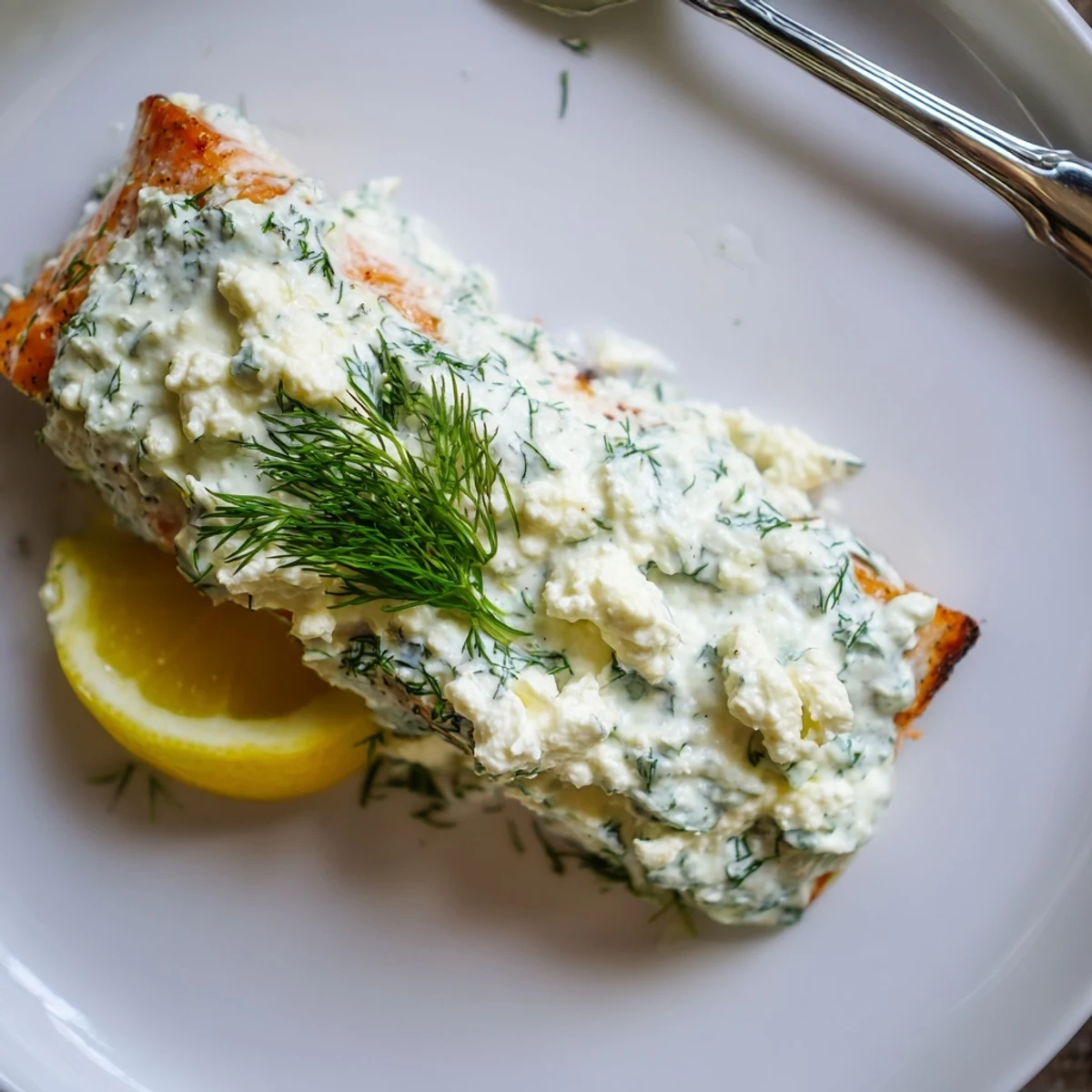
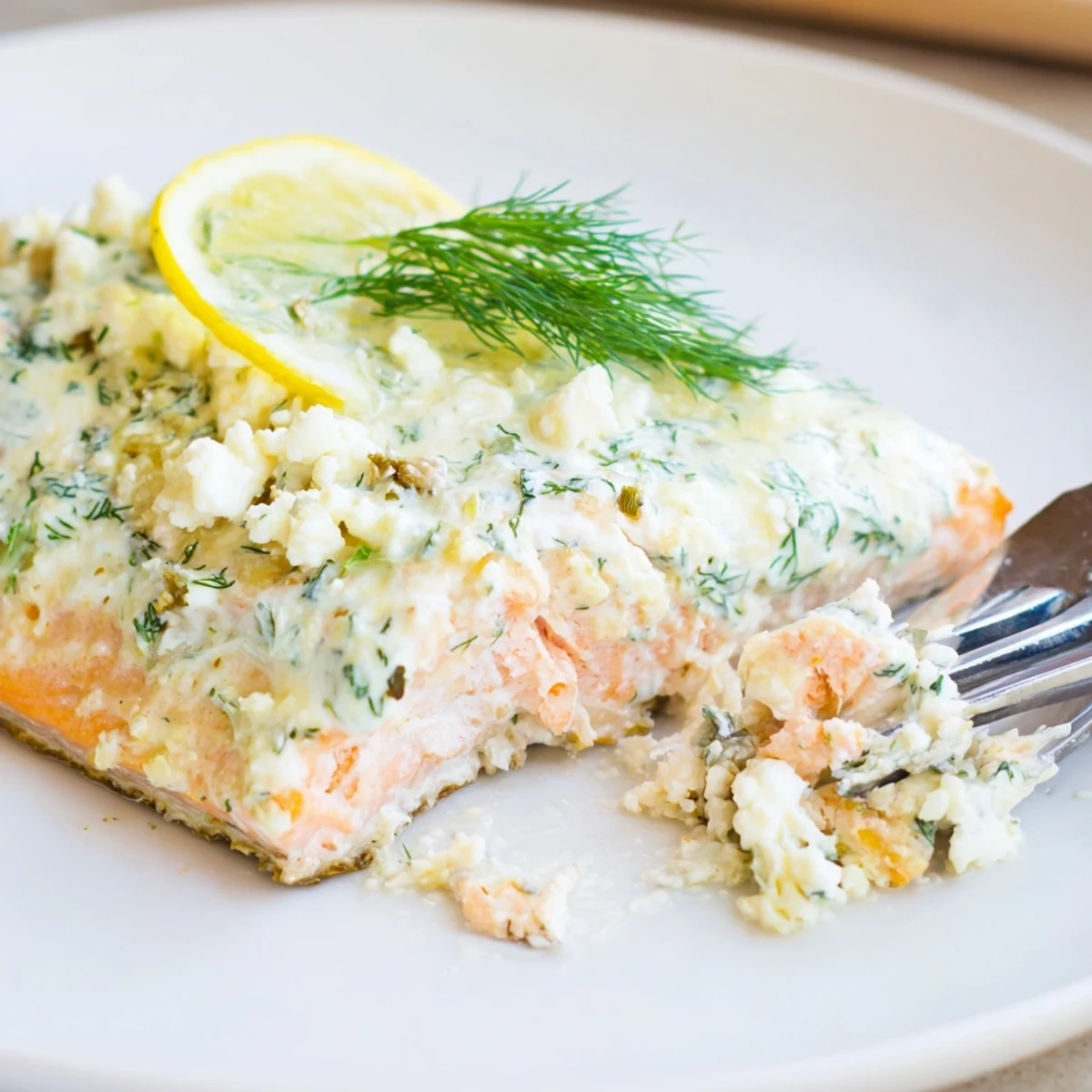
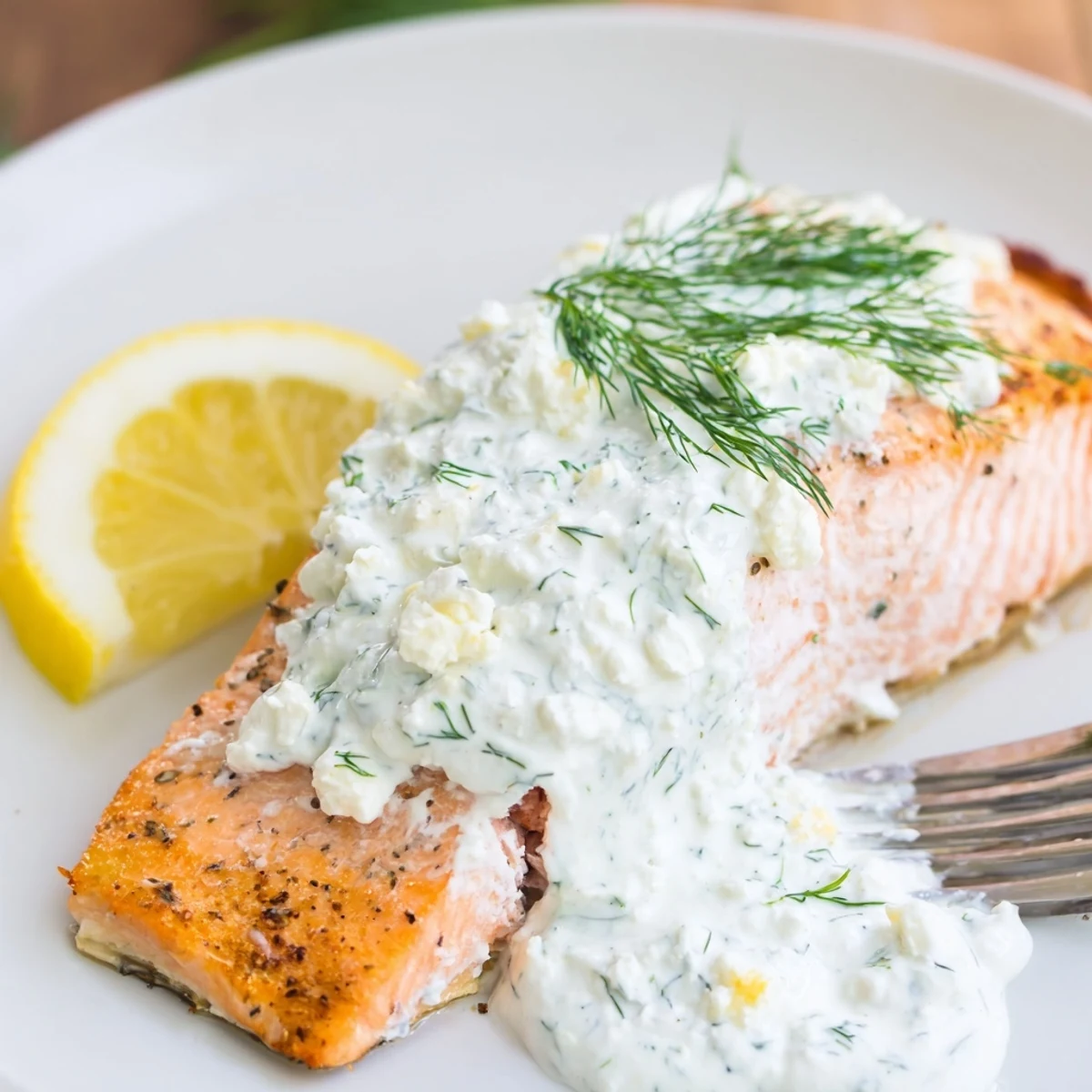
 Bake salmon fillets at 400°F (200°C) for 12–15 minutes until opaque. While they cook, combine crumbled feta, Greek yogurt, chopped dill, lemon juice, minced garlic and olive oil, mixing to a creamy yet textured sauce. Remove salmon to rest briefly, then spoon the sauce over each fillet. Serves 4; total time about 25 minutes. Serve with roasted vegetables or new potatoes. Contains fish and dairy.
The grocery store had wild salmon on sale one Tuesday evening and I grabbed four fillets without any plan whatsoever. That same night I rummaged through my fridge and found a half used container of feta sitting beside a limp bunch of dill and something clicked. The creamy tangy sauce I threw together in a panicked ten minutes turned out to be one of the best things I have ever spooned over fish. Now this is the dish my friends actually request when they come over for dinner.
My neighbor Laura stopped by once while I was making this and ended up staying for dinner because the smell drifting through the kitchen window was apparently impossible to resist. She now texts me every few weeks asking when I am making that salmon again.
Ingredients
- Salmon fillets (4, 6 oz each): Wild caught has a richer flavor but farmed works beautifully too and the key is making sure they are roughly the same thickness so they cook evenly.
- Olive oil (1 tablespoon): A thin coating keeps the fish moist and helps the seasoning stick without overpowering the natural richness.
- Salt and black pepper: Season generously because salmon can handle it and you want that contrast against the creamy sauce.
- Crumbled feta cheese (3/4 cup): The salty tang is the backbone of the sauce and crumbling it yourself from a block gives better texture than pre crumbled.
- Plain Greek yogurt (1/2 cup): Full fat yogurt makes the sauce luxuriously creamy and adds a pleasant tartness that balances the feta.
- Fresh dill, chopped (2 tablespoons): Fresh dill is worth seeking out for this recipe because its bright anise flavor is what makes the sauce taste Mediterranean.
- Lemon juice (1 tablespoon): A squeeze of acidity wakes up every other ingredient and ties the whole dish together.
- Garlic clove, minced (1 small): One clove is enough to add depth without competing with the delicate fish.
- Extra virgin olive oil (2 tablespoons, for the sauce): This enriches the sauce with a fruity peppery quality that makes it feel complete.
Instructions
- Get the oven hot:
- Preheat your oven to 400 degrees and line a baking sheet with parchment paper so cleanup is effortless later.
- Prep the salmon:
- Pat each fillet completely dry with paper towels because moisture is the enemy of a good texture then place them skin side down on the sheet. Drizzle with olive oil and season with salt and pepper making sure to get the sides too.
- Bake until just right:
- Slide the salmon into the oven and bake for 12 to 15 minutes until the flesh is opaque and flakes gently when you press it with a fork. Do not overbake because carryover heat will finish the job.
- Whisk the sauce together:
- While the salmon works its magic combine the feta yogurt dill lemon juice garlic and olive oil in a bowl and stir until creamy with some lovely chunks remaining. Taste it and adjust the salt and pepper until it sings.
- Rest and finish:
- Let the salmon rest for a minute or two out of the oven so the juices settle back into the fish. Spoon the sauce generously over each fillet and add lemon wedges and dill sprigs if you want to make it look as good as it tastes.
 Pin it
 The first time I served this to my family my usually silent teenager actually looked up from his phone and said wow which in my house counts as a standing ovation.
What to Serve Alongside
Roasted asparagus or a handful of cherry tomatoes tossed in olive oil and thrown into the oven alongside the salmon makes dinner feel complete with almost no extra effort. A simple arugula salad with lemon vinaigrette also works wonders because the peppery greens cut through the richness of the feta sauce.
Wine Pairing Thoughts
A chilled Sauvignon Blanc is my go to because its grassy citrus notes echo the dill and lemon in the sauce perfectly. A dry Riesling or even a light Pinot Grigio will also do the job if that is what you have chilling in the fridge.
Making It Your Own
Once you have the basic formula down this recipe bends easily to whatever you have on hand. A few small twists can make it feel like an entirely new dish.
- Swap the dill for fresh basil and add a teaspoon of honey to the sauce for a sweeter Mediterranean vibe.
- Stir in a pinch of red pepper flakes if you want a gentle kick that plays beautifully against the creamy feta.
- Always taste the sauce before serving because feta salt levels vary wildly between brands.
 Pin it
 This is the kind of recipe that reminds you weeknight dinners do not have to be boring or complicated to feel like a real meal. Keep some feta and dill on hand and you are never more than twenty minutes away from something wonderful.
Recipe Q&A Section
- → Can I pan-sear instead of baking the salmon?
-
Yes. Sear fillets skin-side down in a hot skillet with oil for 3–4 minutes, then flip and cook 2–4 minutes more until opaque. Adjust times for thickness.
- → How do I make the feta dill sauce smoother?
-
Use a food processor or blender and add a tablespoon of olive oil or a splash of water to create a smoother texture while keeping some crumbly feta bits for texture.
- → Can I use dried dill instead of fresh?
-
You can; use about one-third the amount of dried dill compared with fresh and add it while mixing so it rehydrates and releases flavor.
- → Is there a non-dairy alternative for the sauce?
-
Substitute dairy with a thick plant-based yogurt and a tangy vegan feta if needed; texture and salt may vary, so taste and adjust lemon and salt.
- → How can I make the sauce tangier?
-
Add more lemon juice or a teaspoon of white wine vinegar, or swap Greek yogurt for sour cream to increase tang without thinning the sauce.
- → What side dishes pair well with this dish?
-
Roasted vegetables, new potatoes, a light green salad, or couscous complement the lemony feta-dill flavors and keep the plate balanced.