
 Pin it
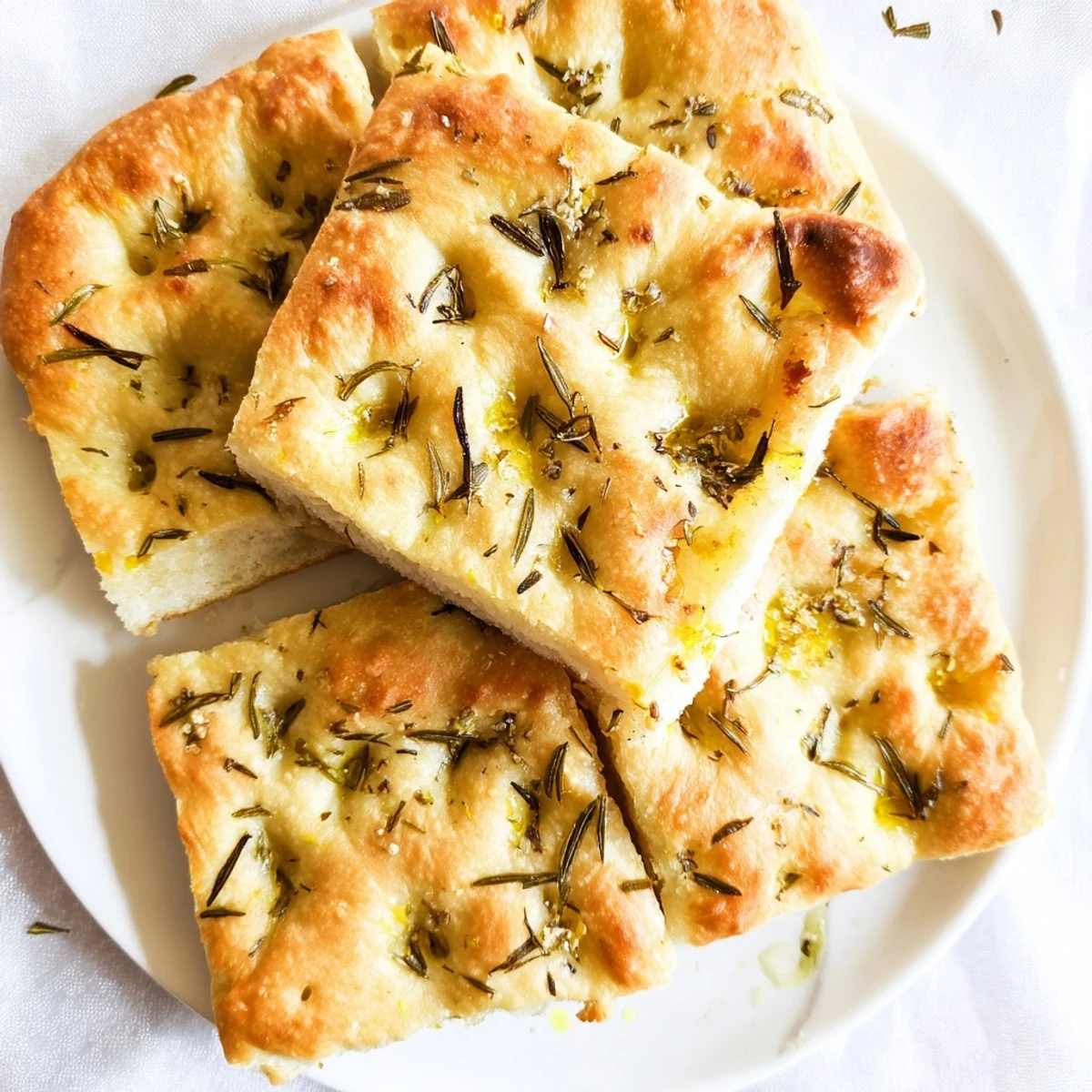
 Create bakery-worthy Italian focaccia at home with this straightforward method. The dough develops beautiful flavors during a two-hour rise, resulting in those signature airy pockets and chewy texture. The dimpling technique creates authentic pockets for olive oil to collect, delivering that irresistible crisp exterior and tender, fragrant interior everyone loves.
The sound of olive oil sizzling against hot dough is one of those kitchen noises that makes everyone wander toward the counter without being called. My apartment filled with the smell of rosemary and toasted flour one rainy Saturday, and a neighbor actually knocked to ask what I was baking. Focaccia has a way of turning an ordinary afternoon into something that feels intentionally slow and rewarding. It is the kind of bread that forgives your mistakes and still comes out golden and proud.
I brought a tray of this to a potluck dinner where three people asked for the recipe before they even finished their first piece. One friend stood near the kitchen counter tearing off pieces with her bare hands, declaring she did not need a plate. Those moments of people eating with abandon are exactly why this bread deserves a permanent spot in your rotation.
Ingredients
- Bread flour (500 g): Bread flour gives focaccia that chewy, structured crumb that all purpose flour simply cannot match.
- Salt (10 g): Do not skimp here, salt strengthens the gluten network and balances the richness of the olive oil.
- Active dry yeast (7 g): One packet is all you need, and watching it bloom in warm water is a small but satisfying ritual.
- Lukewarm water (325 ml): Think baby bottle warm, not hot, because scalding water will kill your yeast before it even starts.
- Extra virgin olive oil (50 ml plus 2 tbsp): Use the good stuff here since olive oil is the soul of focaccia and its flavor really comes through.
- Sugar (1 tsp): Just enough to wake up the yeast without adding any sweetness to the finished bread.
- Fresh rosemary, chopped (1 tbsp): Fresh herbs make a noticeable difference, but dried rosemary works in a pinch.
- Flaky sea salt (1.5 tsp): Those crunchy salt crystals on top are what make every bite feel like a treat.
- Optional olives or cherry tomatoes: Press them into the dough before baking and they become little pockets of tangy joy.
Instructions
- Wake up the yeast:
- Dissolve the yeast and sugar in lukewarm water and let it sit for ten minutes until the surface looks frothy and alive. If nothing happens after ten minutes, your yeast may be expired and you should start fresh.
- Build the dough:
- Combine flour and salt in a large bowl, make a well in the center, and pour in the yeast mixture along with the olive oil. Mix until everything comes together into a sticky, shaggy mass that clings to your fingers.
- Knead with patience:
- Turn the dough onto a lightly floured surface and knead for eight to ten minutes until it transforms into something smooth, elastic, and slightly tacky. You will feel the texture change under your hands, which is your signal that the gluten has developed properly.
- Let it rise:
- Place the dough in an oiled bowl, cover it with a damp cloth, and leave it alone for one hour until it has doubled in size. This is a good time to tidy the kitchen or sit down with a cup of coffee.
- Prepare the tray:
- Preheat your oven to 220 degrees Celsius and grease a large baking tray generously with olive oil so the bottom of your focaccia crisps up beautifully.
- Shape and dimple:
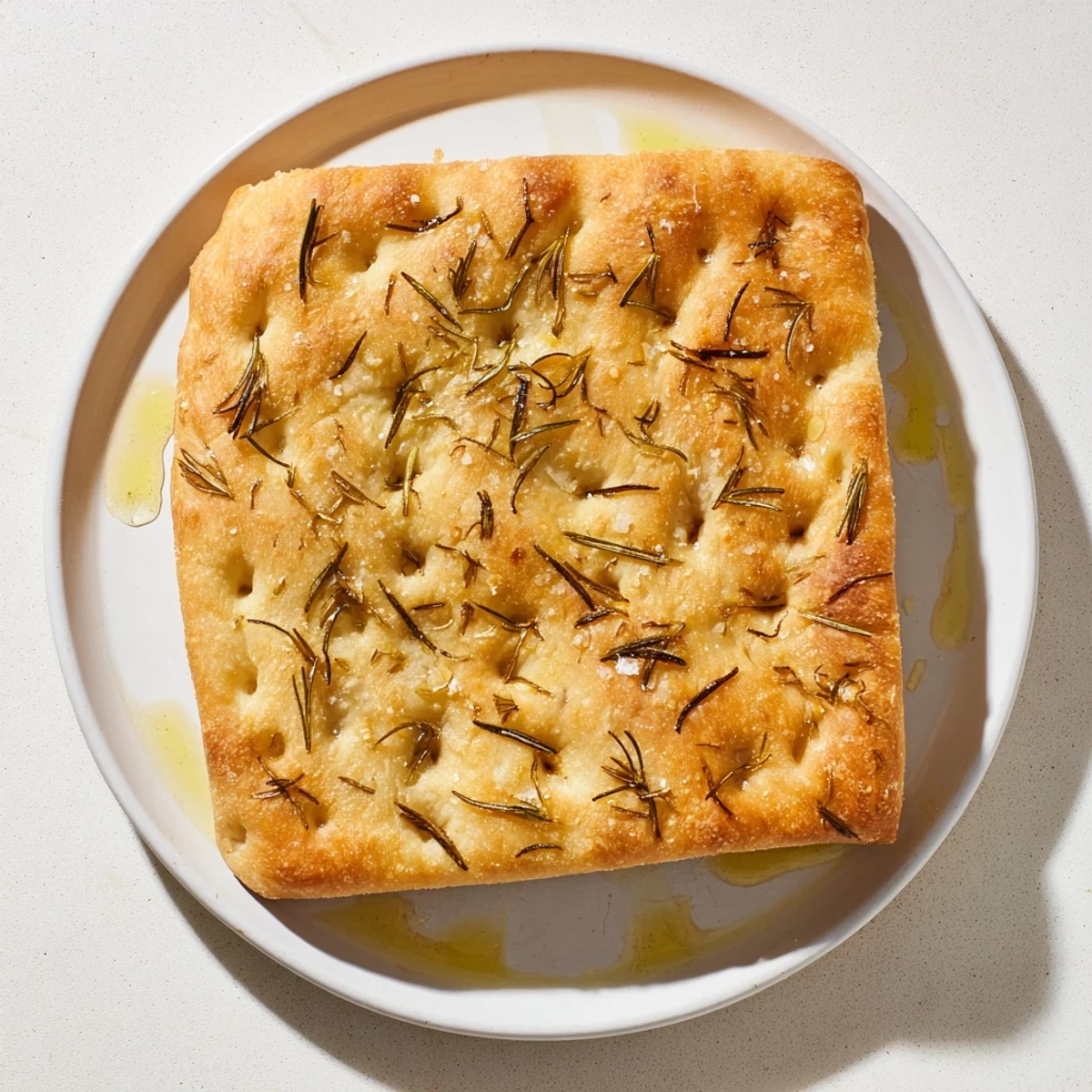
- Punch down the risen dough, transfer it to the tray, and stretch it with your hands to fill the pan. Press your fingertips deep into the dough to create those characteristic dimples that catch pools of oil.
- Dress the top:
- Brush the surface generously with olive oil, then scatter rosemary, sea salt, and any olives or tomatoes you are using across the top. Be lavish with the oil because it soaks into the dimples and fries the crust as it bakes.
- Second rise and bake:
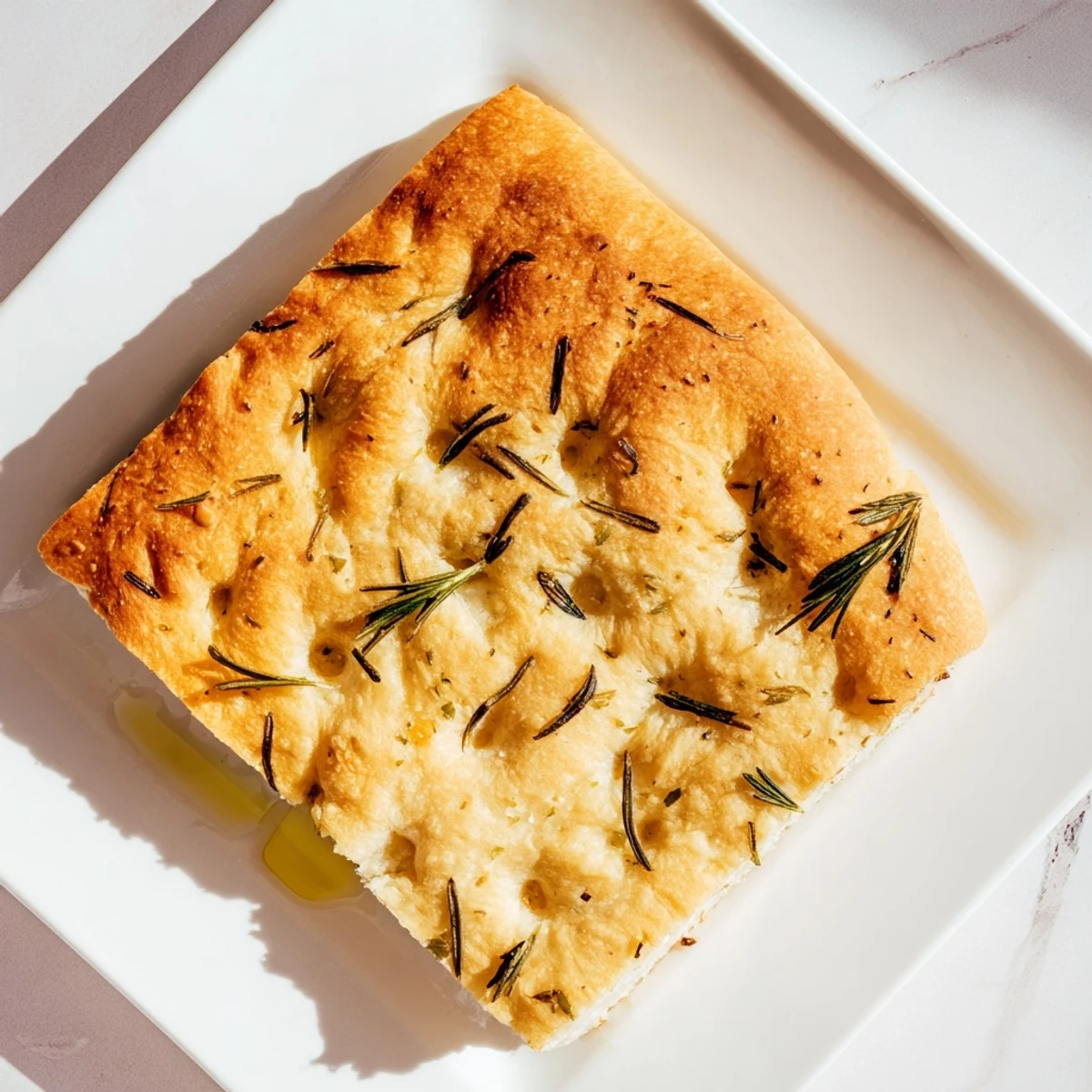
- Let the shaped dough rest for twenty to thirty minutes until it looks puffy and relaxed, then slide it into the hot oven. Bake for twenty to twenty five minutes until the top is deeply golden and the bottom sounds hollow when tapped.
- Cool briefly:
- Allow the focaccia to cool on the tray for five to ten minutes before slicing so the crumb has time to set. Cutting too early can make the interior gummy rather than soft and open.
 Pin it
 The first time I pulled a tray of focaccia from the oven and broke off a corner while it was still too hot to handle, I understood why Italian nonnas have been making this for centuries. It is elemental, honest food that asks very little and gives so much in return.
Variations Worth Trying
Once you master the basic dough, focaccia becomes a canvas for whatever is sitting in your fridge or growing in your garden. Thinly sliced red onions scattered over the top turn beautifully sweet and caramelized in the oven. Sun dried tomatoes, strips of roasted pepper, or a scattering of thyme and sage all bring completely different moods to the same reliable base.
Serving Suggestions
Warm focaccia needs nothing more than a dish of good olive oil for dipping, but it also makes an exceptional sandwich bread when split horizontally and filled with prosciutto, mozzarella, and arugula. Alongside a bowl of minestrone or a simple green salad, it turns a light meal into something genuinely satisfying. Pour something crisp and cold beside it, like a Pinot Grigio or a young Chianti, and dinner is sorted.
Storing and Reheating
Focaccia is best the day it is baked, but you can extend its life with a few simple habits. Wrap leftovers tightly and keep them at room temperature for up to two days.
- A quick flash in a 180 degree oven for five minutes restores the crust to near original crispness.
- Freeze sliced portions between sheets of parchment paper so you can thaw only what you need.
- Never refrigerate focaccia because the cold accelerates staling and ruins the tender crumb.
 Pin it
 Keep this recipe close because once you share it with someone, they will ask you to make it again. Focaccia is not just bread, it is an excuse to slow down and let something wonderful happen in your kitchen.
Recipe Q&A Section
- → What makes focaccia different from regular bread?
-
Focaccia is an Italian flatbread distinguished by its high olive oil content, dimpled surface, and generous toppings. The dough is richer and moister than standard bread, creating a tender interior with a crispy, golden crust that's perfect for absorbing flavored oils.
- → Can I prepare focaccia dough ahead of time?
-
Yes, you can refrigerate the dough after the first rise for up to 24 hours. Let it come to room temperature before shaping and the final proof. This actually enhances flavor development and can make the dough easier to handle.
- → Why is my focaccia not rising properly?
-
This usually happens if the water temperature was too hot or too cold for the yeast, or if the yeast was expired. Ensure your water is comfortably warm to the touch (about 110°F). Also, give the dough enough time in a warm, draft-free spot to double in size.
- → What can I use instead of fresh rosemary?
-
Dried rosemary works perfectly at one-third the amount. Other excellent herb options include fresh thyme, oregano, sage, or Italian seasoning blends. You can also add thinly sliced garlic, caramelized onions, or sun-dried tomatoes for extra flavor dimensions.
- → How do I store leftover focaccia and reheat it?
-
Wrap completely cooled focaccia in plastic or place in an airtight container at room temperature for up to 2 days. For longer storage, freeze well-wrapped portions for up to 3 months. Reheat in a 350°F oven for 5-10 minutes to restore crispiness.
- → Can I make this focaccia vegan or gluten-free?
-
This focaccia is naturally vegan as written. For a gluten-free version, use a high-quality gluten-free bread flour blend and add xanthan gum. Note that the texture will differ slightly from traditional wheat-based focaccia but will still be delicious.