
 Pin it
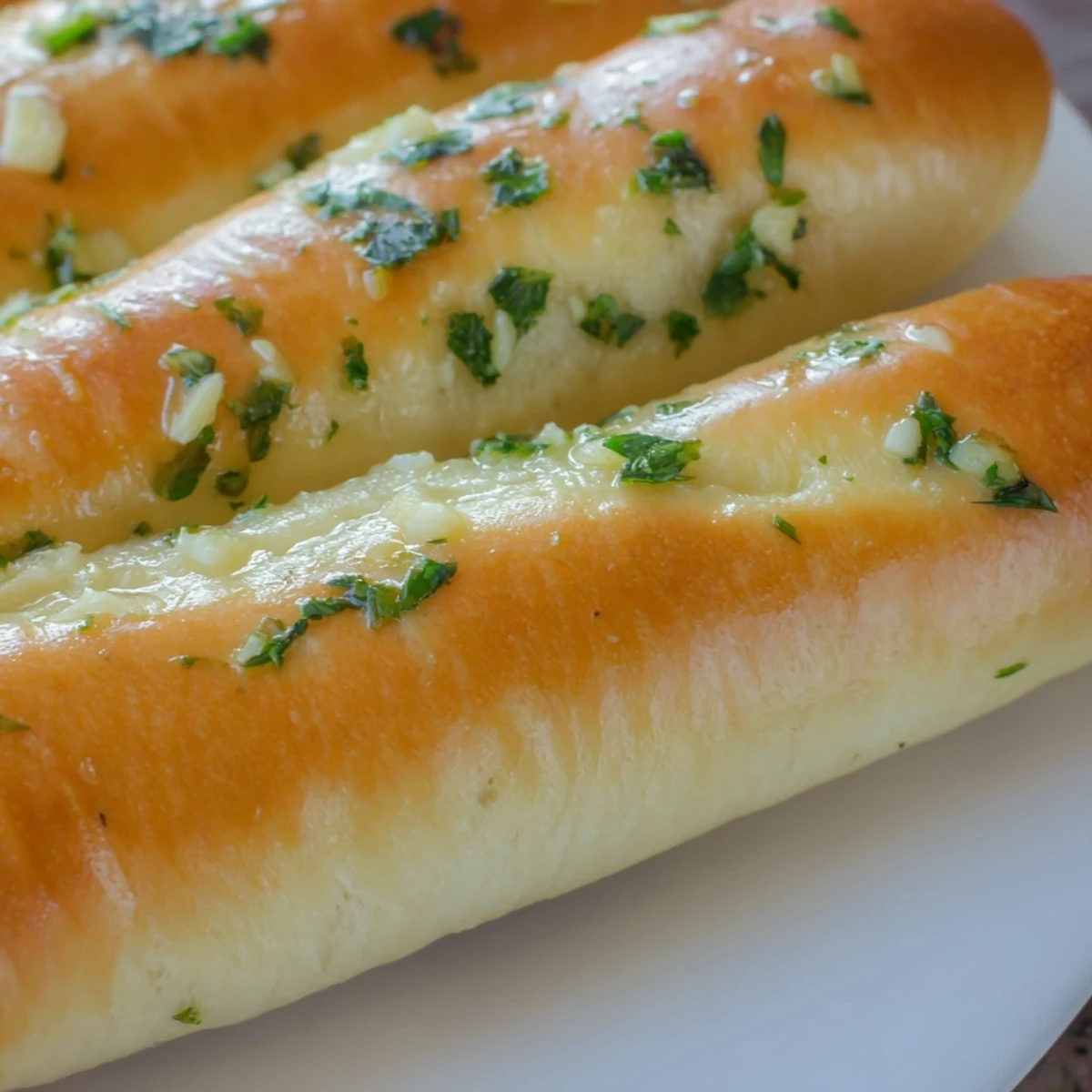
 These homemade breadsticks feature a soft, pillowy interior with a golden exterior, brushed generously with melted butter infused with fresh garlic and parsley. The dough comes together quickly with basic pantry ingredients, requiring just one rise before baking to golden perfection. Perfect for dipping in marinara or serving alongside your favorite Italian-inspired meals.
The smell of garlic butter hitting fresh baked bread is the kind of thing that makes everyone wander into the kitchen asking when dinner is ready. I started making these breadsticks during a rainy Sunday when I had extra flour and nothing planned. They turned a basic soup night into something people still talk about. Now they show up at nearly every gathering I host.
My friend Laura once ate six of these before the lasagna even came out of the oven and then apologized by eating two more. I have learned to make a double batch whenever company is expected because they vanish faster than anything else on the table.
Ingredients
- All purpose flour (2 cups): Use the scoop and level method to avoid dense breadsticks.
- Warm water (1 cup): Should feel like a warm bath around 110 degrees Fahrenheit to wake up the yeast without killing it.
- Instant yeast (1 and 1/2 tsp): Instant yeast saves time but active dry works too if you give it an extra few minutes.
- Sugar (1 tsp): Just enough to feed the yeast and help with browning.
- Salt (3/4 tsp): Added to the flour not directly to the yeast so it does not slow down rising.
- Unsalted butter softened (2 tbsp): Enriches the dough and gives a tender crumb.
- Unsalted butter melted (3 tbsp): For the garlic butter finish and use a good quality butter here because it is the star.
- Garlic cloves (2): Freshly minced garlic makes a huge difference compared to the jarred kind.
- Fresh parsley (1 tbsp): Optional but the color and freshness it adds are worth the chop.
- Salt for garlic butter (1/2 tsp): Balances the richness and brings out the garlic flavor.
Instructions
- Wake up the yeast:
- Combine the warm water sugar and yeast in a large bowl and let it sit until the surface gets foamy which takes about five minutes. If nothing happens your water was too hot or too cold so start over.
- Build the dough:
- Add the flour salt and softened butter then mix until everything comes together into a shaggy mass. Turn it out and knead by hand for seven to eight minutes until the dough feels smooth and springs back when you poke it.
- Let it rise:
- Place the dough in a lightly greased bowl cover it with a towel and tuck it somewhere warm for about an hour. You will know it is ready when it has puffed up to roughly double its size.
- Shape the breadsticks:
- Punch the dough down gently and divide it into twelve even pieces then roll each one into a rope about seven or eight inches long. Arrange them on a parchment lined baking sheet with a little space between each one.
- Second rise:
- Cover the shaped breadsticks loosely with a kitchen towel and let them puff up for twenty to thirty minutes while the oven preheats to 400 degrees Fahrenheit.
- Bake until golden:
- Slide the pan into the oven and bake for twelve to fifteen minutes watching for a light golden color on top. The bottoms should sound slightly hollow when tapped.
- Garlic butter finish:
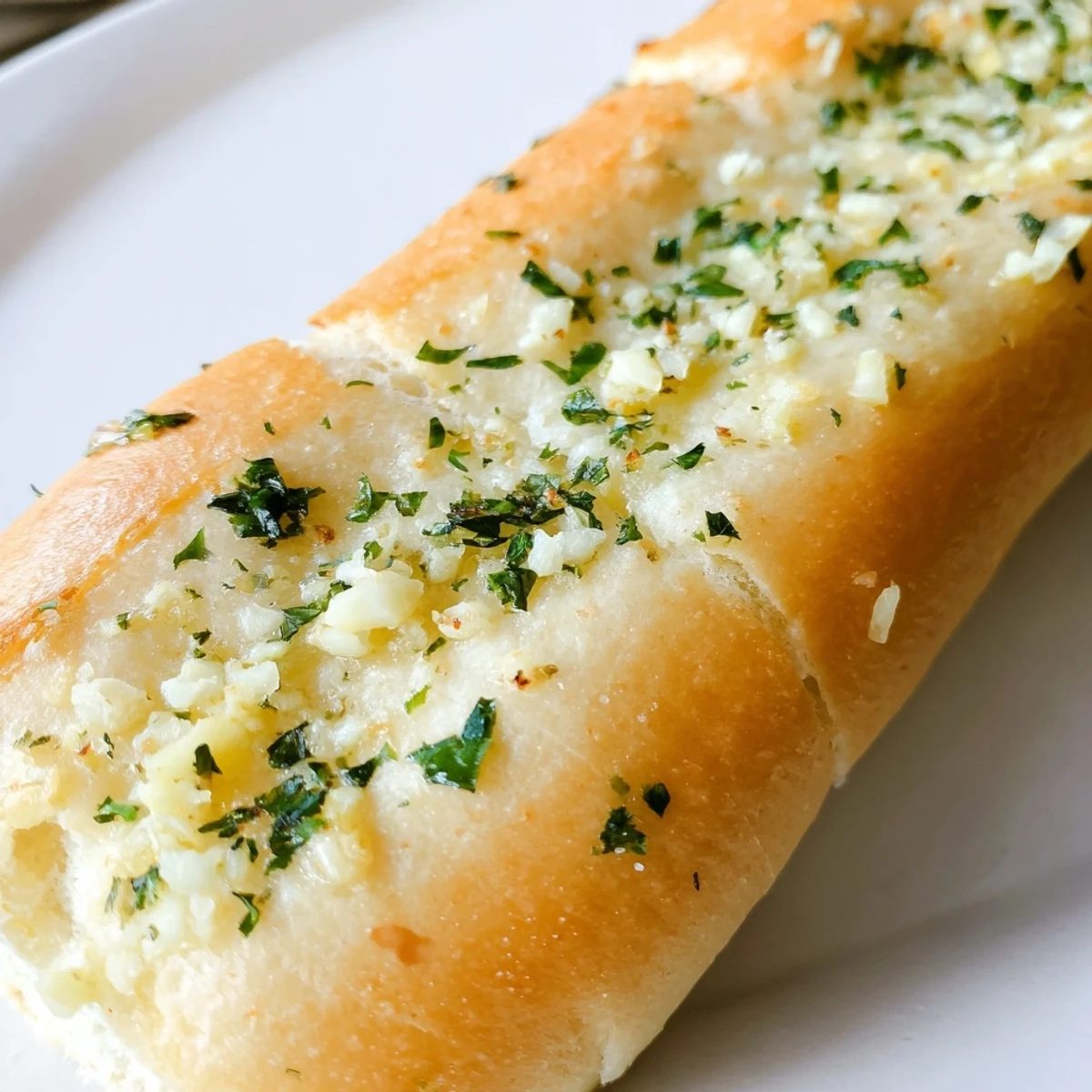
- While the breadsticks bake stir together the melted butter minced garlic salt and parsley in a small bowl. Brush the mixture generously over the hot breadsticks the moment they leave the oven so they drink up every bit of flavor.
 Pin it
 There is something deeply satisfying about pulling a tray of golden breadsticks from the oven while your kitchen smells like an Italian bakery. They have a way of making any meal feel a little more special even if the rest of dinner came from a box.
Getting Cheesy With It
Sprinkle grated Parmesan over the breadsticks right before they go into the oven for a crispy salty crust that takes them to another level. I discovered this trick by accident when I knocked a handful of cheese off the counter and onto the baking sheet.
Mixing Up the Herbs
Parsley is classic but basil or oregano each bring their own personality to the garlic butter. Dried herbs work in a pinch but use half the amount since they are more concentrated.
Serving and Storing
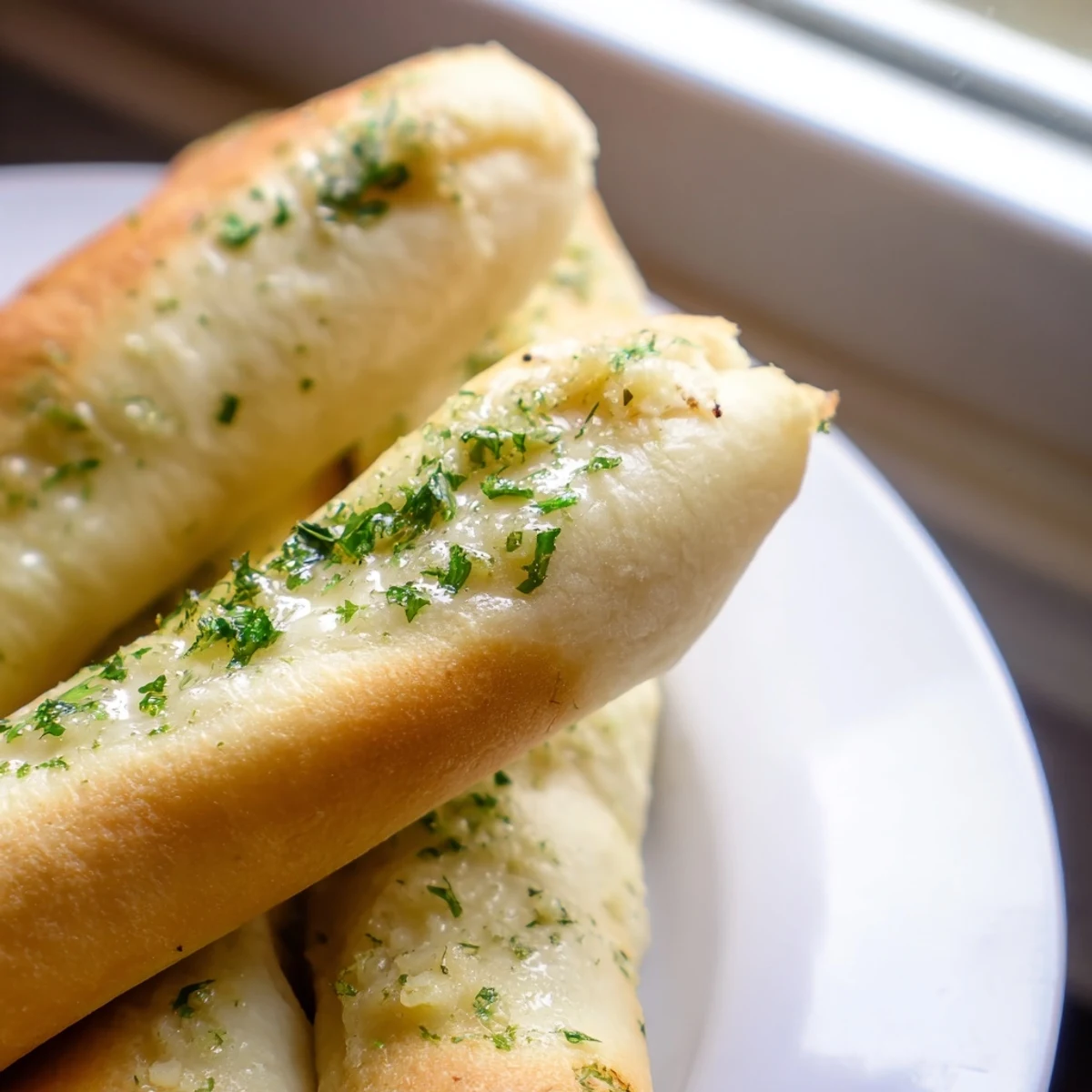
These breadsticks are best served warm alongside a bowl of soup or with marinara sauce for dipping. If you have leftovers wrap them tightly and reheat in a 300 degree Fahrenheit oven for five minutes to bring back the softness.
- Freeze unbaked shaped breadsticks on a tray then transfer to a bag for fresh bread on demand.
- Thaw frozen breadsticks in the fridge overnight before baking as directed.
- Always make extra because they disappear faster than you expect.
 Pin it
 Keep these in your back pocket for any night that needs a little warmth and comfort. They are simple forgiving and always welcome at the table.
Recipe Q&A Section
- → How do I know when the dough has doubled in size?
-
Press two fingers gently into the dough about ½ inch deep. If the indentation remains and doesn't spring back, the dough has properly risen and is ready to shape.
- → Can I make these breadsticks ahead of time?
-
Yes, prepare the dough through the first rise, then refrigerate overnight. Let it come to room temperature for 30 minutes before shaping and baking. You can also freeze baked breadsticks and reheat at 350°F for 5-7 minutes.
- → What's the best way to get even-sized breadsticks?
-
Weigh your dough after the first rise, then divide by 12 to get exact portions. If you don't have a scale, divide the dough into halves, then thirds, then quarters until you have 12 roughly equal pieces.
- → Why brush with garlic butter right after baking?
-
The hot bread absorbs the butter and garlic flavors better when fresh from the oven. The warmth helps the garlic release its aromatic oils and ensures even distribution of the buttery coating.
- → Can I use dried herbs instead of fresh parsley?
-
Absolutely—use 1 teaspoon dried parsley, basil, or oregano instead of fresh. Rub the dried herbs between your fingers before sprinkling to release their essential oils for better flavor distribution.
- → What's the ideal water temperature for activating yeast?
-
Warm water between 110-115°F (43-46°C) is perfect. Too hot and it kills the yeast; too cool and activation slows dramatically. Use an instant thermometer or test with your wrist—it should feel comfortably warm, not hot.