
 Pin it
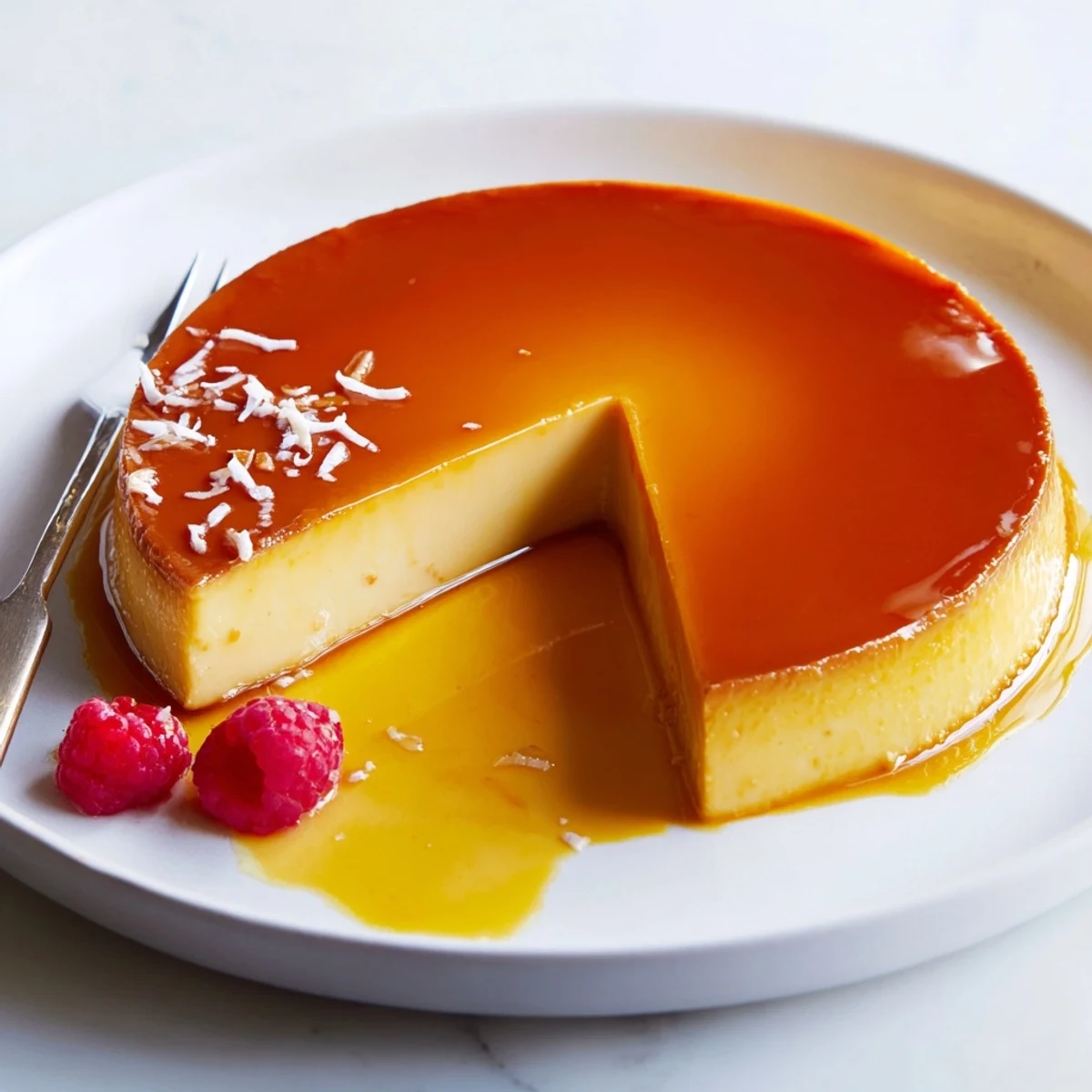
 Flan Napolitano is a silky Mexican custard topped with a glossy caramel. Heat sugar with water to a deep amber and pour into a 9-inch mold. Whisk whole eggs, extra yolks, sweetened condensed and evaporated milk with whole milk, vanilla and optional orange zest, then strain for a smooth texture and bake in a bain-marie until the center barely jiggles.
Let cool to room temperature, refrigerate at least three hours to set fully, then run a knife around the edge and invert onto a serving plate. For extra richness swap part of the milk for half-and-half and garnish with toasted coconut or fresh berries.
The smell of caramelizing sugar still transports me straight to my abuelas tiny kitchen in Veracruz where she would stand completely still watching the pan like she was defusing a bomb.
I once made this for a dinner party where the flan stuck to the pan and broke into pieces so I called it deconstructed and served it in wine glasses with fresh berries on top.
Ingredients
- Granulated sugar (1 cup): This is your caramel base and the only thing standing between you and a beautiful golden topping so do not walk away from the pan.
- Water (1/4 cup): Just enough to help the sugar melt evenly before it starts browning.
- Sweetened condensed milk (1 can): The backbone of richness here and you want the full fat version not the low fat kind.
- Evaporated milk (1 can): Adds a slightly toasted dairy depth that regular milk cannot replicate.
- Whole milk (1 cup): Balances out the concentrated milks or you can swap in half and half for even more decadence.
- Large eggs (4): These set the custard and give it that barely firm jiggle.
- Large egg yolks (4): Extra yolks mean extra silkiness which is the whole point of a proper flan napolitano.
- Vanilla extract (1 tbsp): Use real vanilla if you can because you will taste the difference here.
- Salt (1/4 tsp): Just a pinch to keep the sweetness from becoming cloying.
- Orange zest (from 1 orange, optional): My abuela never used it but I started adding it years ago and that subtle citrus brightness is a quiet little surprise in every bite.
Instructions
- Get the oven ready:
- Preheat to 350 degrees Fahrenheit and set a kettle of water on to boil because you will need it soon for the water bath.
- Make the caramel:
- Combine sugar and water in a heavy saucepan over medium heat and resist every urge to stir or you will get grainy caramel. Watch the edges where it darkens first and gently swirl the pan until the whole thing turns a deep amber then pour it immediately into your baking dish and tilt to coat the bottom before it hardens.
- Build the custard:
- Whisk the whole eggs and yolks with the salt in a large bowl just until combined then pour in all three milks along with the vanilla and orange zest if you are using it. Whisk gently until everything is smooth and uniform.
- Strain for silkiness:
- Pour the custard through a fine mesh sieve into the caramel lined dish and this step is nonnegotiable because it catches any egg strands or zest chunks that would ruin that velvety texture.
- Set up the water bath:
- Place your flan dish inside a larger roasting pan and carefully pour boiling water into the roasting pan until it reaches halfway up the sides of the flan dish. This gentle heat is what keeps the custard creamy instead of rubbery.
- Bake until just set:
- Slide the whole setup into the oven and bake for about 60 minutes checking that the center barely jiggles like gelatin when you tap the pan. The edges should be set but the middle still has a soft tremble.
- Cool and chill thoroughly:
- Remove the flan dish from the water bath and let it sit at room temperature until it is no longer warm then cover and refrigerate for at least three hours or overnight if you can wait that long.
- The big reveal:
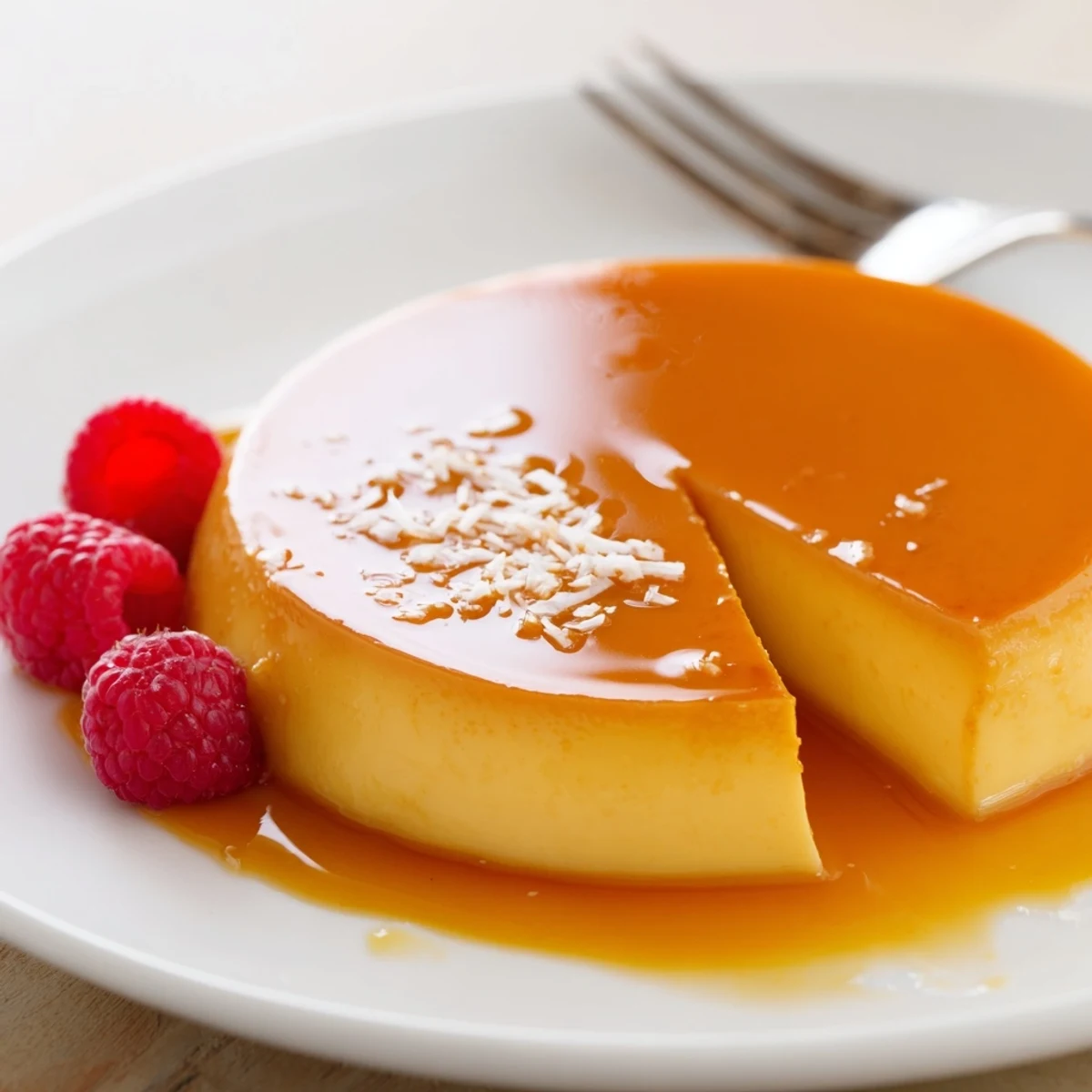
- Run a thin knife around the edge of the chilled flan to release it then place a large serving plate upside down over the top and flip the whole thing in one confident motion. Lift the dish away slowly and let the caramel pool over the top beautifully.
 Pin it
 The moment you flip that pan and hear the soft shlorp of caramel releasing onto the plate is honestly one of the most satisfying sounds in any kitchen I have ever worked in.
Tools That Actually Matter
A heavy bottomed saucepan for the caramel is not optional because thin pans create hot spots that burn the sugar before the rest has melted. The fine mesh sieve is the other nonnegotiable tool and if you do not have one a cheesecloth lined colander works in a pinch.
Serving Ideas Worth Trying
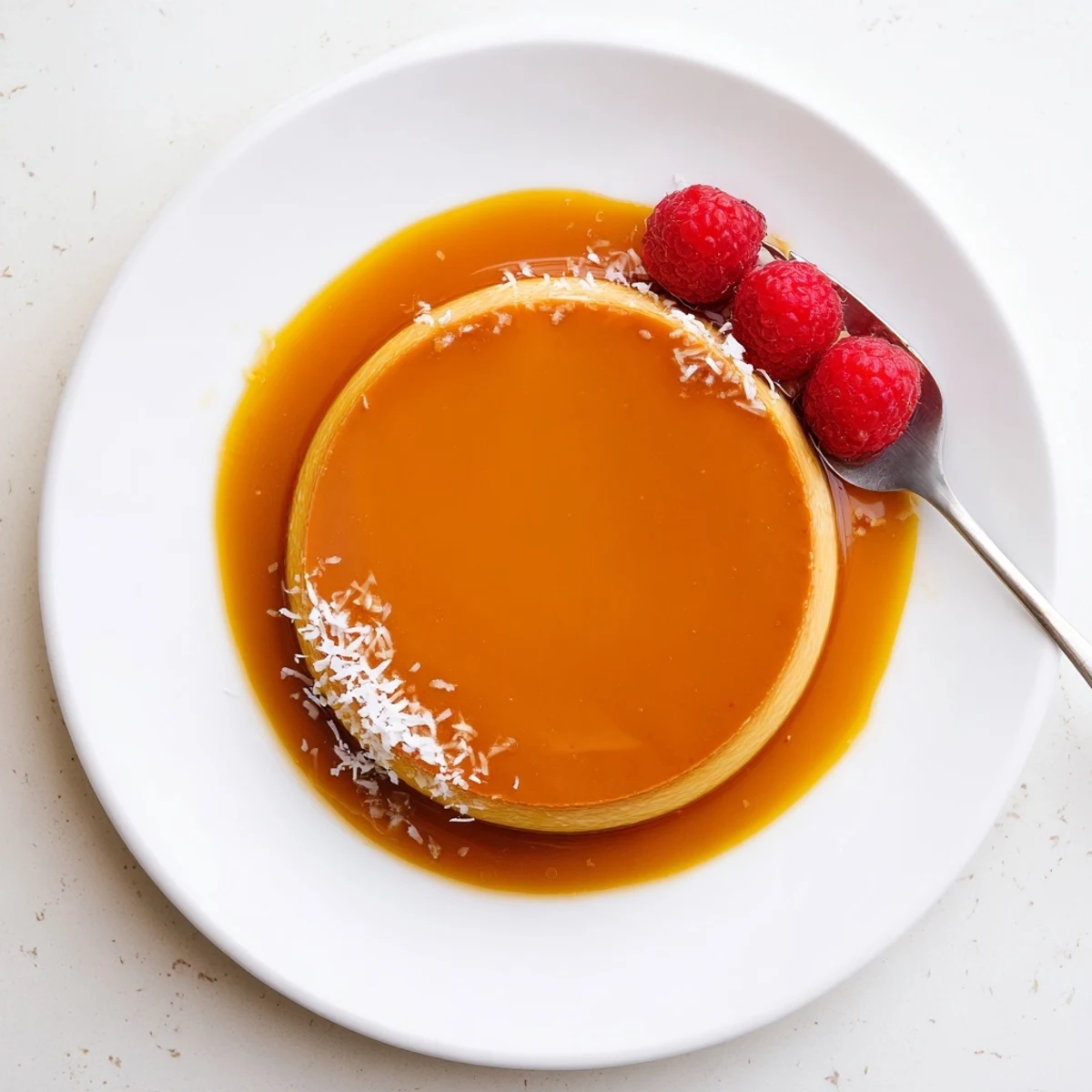
Scatter toasted coconut flakes over the top for a bit of crunch against all that creaminess or add a handful of fresh raspberries and blackberries on the side. A strong cup of Mexican coffee or a small glass of Moscato turns a simple dessert into something that feels like an occasion.
Storage and Make Ahead Notes
This flan actually tastes better on the second day after the flavors have settled and the caramel has mingled with the custard so it is the perfect make ahead dessert. Keep it covered in the refrigerator for up to four days but do not try to freeze it because the texture breaks down into something grainy and sad.
- Always cover tightly with plastic wrap pressed directly against the surface to prevent a skin from forming.
- Let it sit at room temperature for about ten minutes before unmolding so the caramel softens slightly.
- If the flan resists releasing from the pan dip the bottom of the dish in hot water for thirty seconds and try again.
 Pin it
 Every time I unmold one of these I think of my abuela standing over her stove completely silent and completely certain and I realize she taught me more about patience in that kitchen than anywhere else in my life.
Recipe Q&A Section
- → How do I prevent the caramel from crystallizing?
-
Start with an even sugar-water mix and avoid stirring once it begins to heat. Gently swirl the pan to encourage even melting and stop cooking as soon as the amber color appears to prevent bitter or grainy caramel.
- → Why strain the custard before baking?
-
Straining removes chalazae and any coagulated bits, yielding a smoother, silkier texture in the finished custard and preventing unwanted lumps after baking.
- → What is the purpose of the bain-marie?
-
A water bath provides gentle, even heat around the mold so the custard cooks slowly and uniformly, minimizing cracking and preventing the edges from overcooking while the center sets.
- → How can I tell when the custard is done?
-
The flan is ready when the edges are set and the center barely jiggles when gently tapped. It will continue to firm up while cooling and chilling.
- → How long should the custard chill before unmolding?
-
Chill at least three hours, preferably longer, until thoroughly cold. Proper chilling helps the caramel adhere to the surface and makes unmolding clean and easy.
- → What are good garnish and serving suggestions?
-
Serve chilled slices with strong coffee or a sweet wine. Top with toasted coconut, fresh berries, or a thin orange zest to complement the caramel and add texture.