
 Pin it
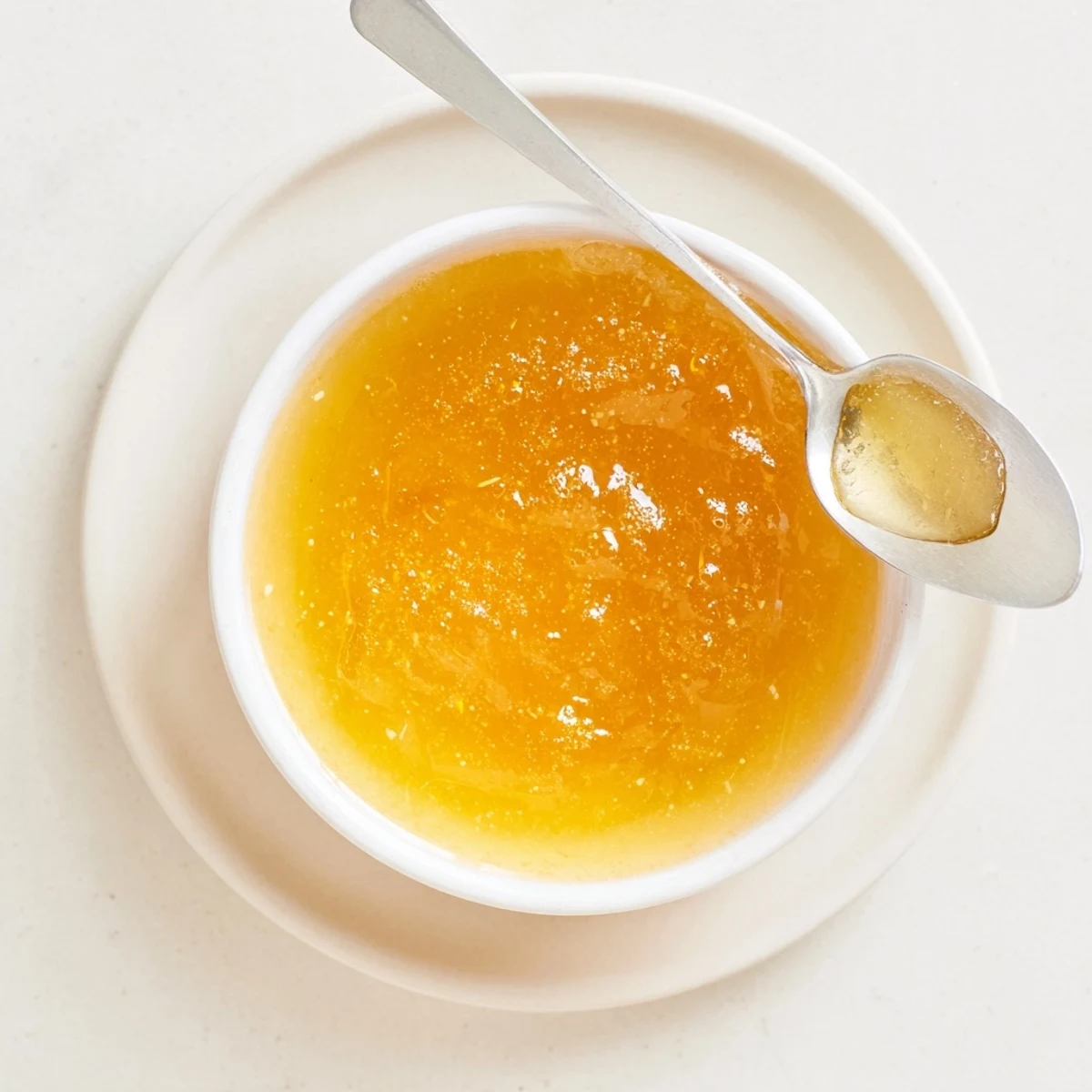
 This golden jelly transforms backyard dandelions into something extraordinary. Fresh yellow petals are steeped into a fragrant tea, then combined with lemon juice, pectin, and sugar to create a delicate spread with a floral sweetness that feels like spring in every spoonful. The process is straightforward — boil petals, strain the liquid, and cook with pectin until it sets into a shimmering jelly. It takes about an hour from start to finish and yields roughly four half-pint jars. The flavor is subtle and honeyed, with a gentle brightness from the lemon. It pairs wonderfully with soft cheeses, warm scones, or simply spread on buttered toast. Adjusting the sugar level lets you control both sweetness and firmness of the set.
My neighbor Helen always said the best things in her kitchen came straight from the lawn, and I laughed until she handed me a warm scone with dandelion jelly that changed my entire afternoon.
I made my first batch on a gray April morning when the yard was suddenly dotted with yellow, and the whole house filled with this gentle honeyed steam that made the rainy day feel like a celebration.
Ingredients
- Fresh dandelion flowers: Make absolutely sure these come from unsprayed areas since you are eating flowers that grew outside
- Water: Used to pull the floral essence from the petals so do not skip the steeping time
- Lemon juice: This brightens the flavor and helps the pectin do its job properly
- Granulated sugar: You can adjust between one and a half and two cups depending on how sweet you like it
- Fruit pectin: This is what turns the liquid into actual jelly so do not substitute with gelatin
Instructions
- Prep the petals:
- Rinse the flowers thoroughly and pinch off every bit of green, keeping only the bright yellow petals since the green parts add bitterness.
- Build the dandelion tea:
- Combine petals and water in a saucepan, bring to a boil, then drop the heat and simmer gently for ten minutes until the water turns a rich golden color.
- Steep and strain:
- Take it off the heat and let it sit undisturbed for thirty minutes, then pour through a fine mesh sieve or cheesecloth, pressing firmly to get every drop of liquid out.
- Measure and add pectin:
- You should have about three cups of liquid, which goes into a clean pot with the lemon juice and pectin, stirred well before heating.
- Bring to a rolling boil:
- Crank the heat to high and stir constantly until you hit a full rolling boil that does not stop when you keep stirring.
- Add sugar and finish:
- Dump in all the sugar at once, return to a boil, and hold it there for one to two minutes while stirring without pause.
- Jar it up:
- Skim off the foam, pour the hot jelly into sterilized jars with a quarter inch of headspace, seal, and process in a boiling water bath for ten minutes.
 Pin it
 A friend who swore she hated anything floral took one bite on a cracker with goat cheese and went quiet for a long time before asking for the recipe.
Picking the Right Flowers
Go out in the late morning after the dew has dried but before the heat of the day, and pick from areas you know have not been treated with anything chemical. The brightest, most open flowers give the best flavor and color.
Getting the Color Right
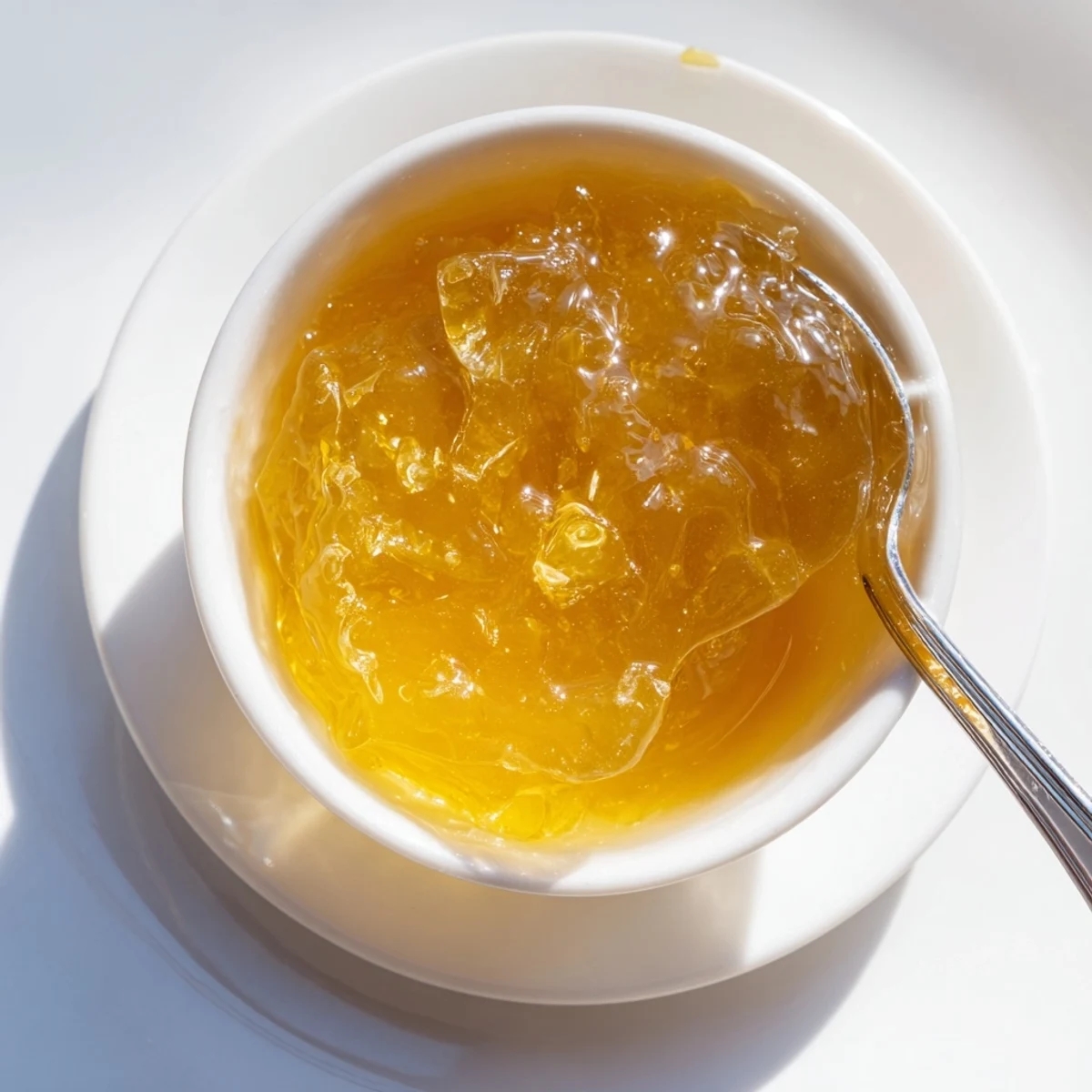
Pure dandelion jelly comes out a soft warm gold, but if you want something more vivid toss in a few calendula or marigold petals during the steeping step. I tried this once on a whim and the jars looked like captured sunlight.
Serving Ideas Beyond Toast
This jelly pairs unexpectedly well with soft cheeses like brie or chevre, and a thin layer between cake layers adds a delicate floral note that guests always ask about.
- Stir a spoonful into plain yogurt for a quick spring breakfast
- Use it as a glaze for roasted carrots or root vegetables
- Keep one jar in the fridge for immediate eating and process the rest for gifting
 Pin it
 There is something deeply satisfying about turning something most people walk past into something that makes them close their eyes and smile.
Recipe Q&A Section
- → What does dandelion jelly taste like?
-
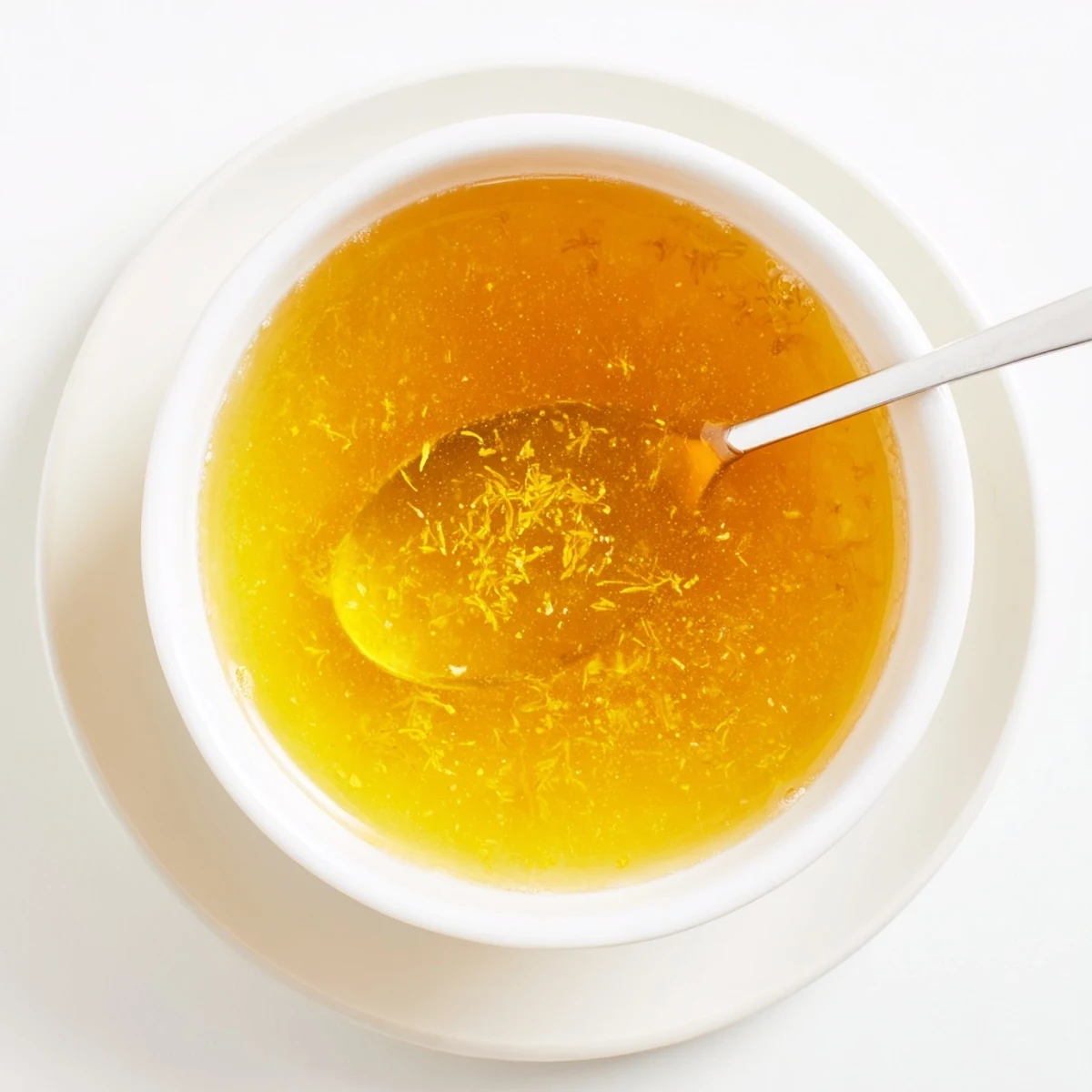
The flavor is delicate and mildly floral, similar to honey with a hint of citrus brightness from the lemon juice. It is not overpowering and has a gentle sweetness that pairs well with both sweet and savory foods.
- → Can I use dandelions from my yard?
-
Yes, as long as they have not been treated with pesticides or herbicides. Pick flowers from areas you know are chemical-free, and use only the yellow petals, removing all green parts to avoid bitterness.
- → How long does homemade dandelion jelly last?
-
When processed in a boiling water bath and sealed properly, it can be stored in a cool, dark pantry for up to a year. Once opened, keep it refrigerated and use within a few weeks.
- → Why is my dandelion jelly not setting firmly?
-
This usually happens if the pectin was not brought to a full rolling boil before adding sugar, or if the sugar amount was reduced too much. Make sure to follow the pectin package instructions and maintain a vigorous boil for the recommended time.
- → Can I reduce the sugar in this jelly?
-
You can reduce sugar slightly, but keep in mind that sugar helps the jelly set and acts as a preservative. Less sugar will result in a softer set and a shorter shelf life if not refrigerated.
- → What foods pair well with dandelion jelly?
-
It shines alongside soft cheeses like brie or goat cheese, on warm scones with butter, folded into yogurt, or used as a filling between cake layers. It also works as a glaze for roasted vegetables or poultry.