
 Pin it
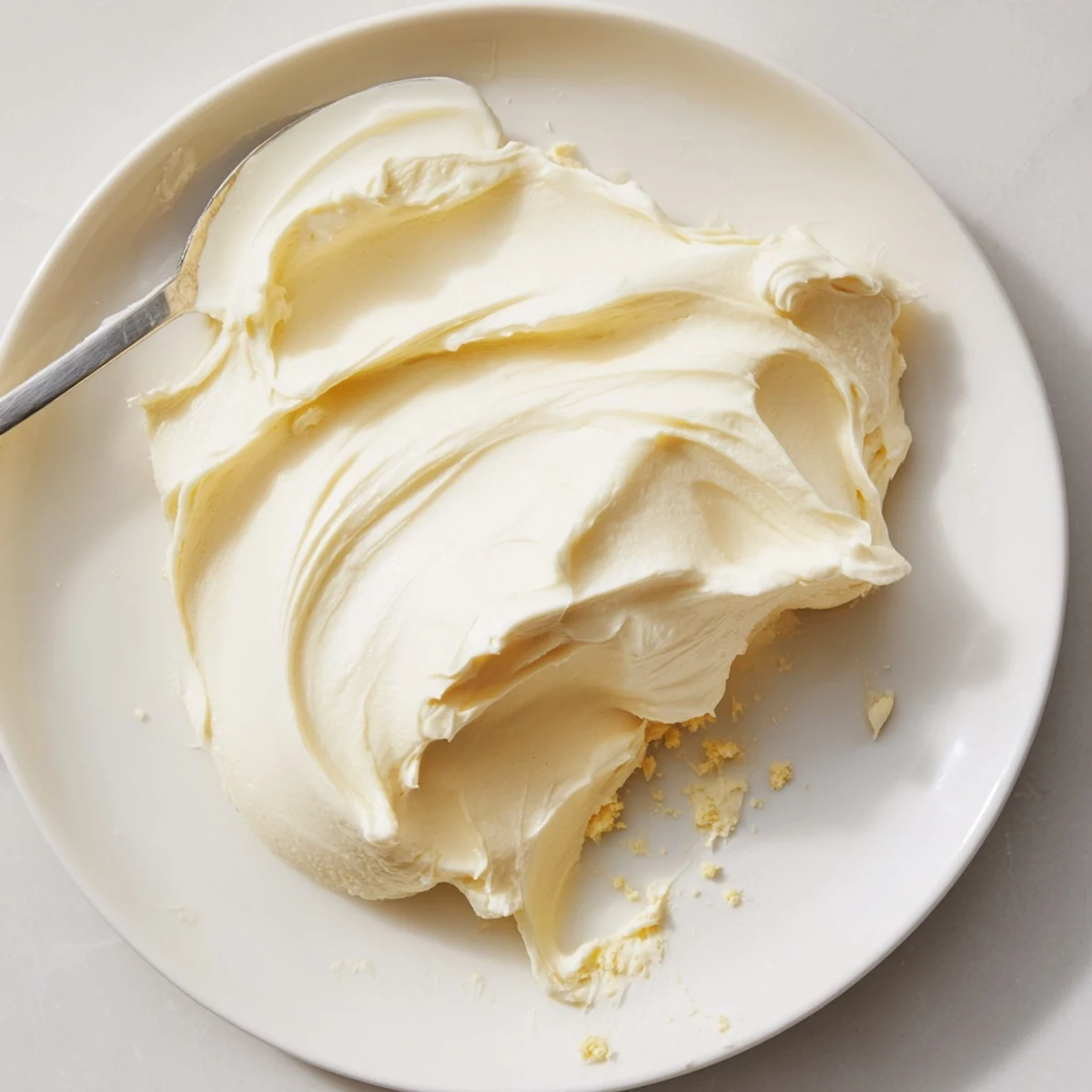
 This Italian meringue buttercream delivers a silky, pipeable frosting by combining a hot sugar syrup drizzled into whipped egg whites, then beating in room-temperature butter until emulsified.
The key lies in cooking the sugar syrup to 115°C (240°F) before slowly streaming it into soft-peaked egg whites, creating a stable, glossy meringue base.
Once the meringue cools completely, butter is added gradually until the mixture transforms into a luxuriously smooth finish—ideal for layer cakes, cupcakes, and refined dessert presentations.
My stand mixer has been through some battles, but nothing tests its motor quite like Italian meringue buttercream. The first attempt ended with a curdled, weepy mess that I angrily spread over a birthday cake anyway. Guests politely asked if the frosting was supposed to look like cottage cheese. That disaster taught me more than any tutorial ever could, and now this silky frosting is the one I trust for every important cake in my life.
My sister requested a three layer lemon cake for her engagement party and I spent an entire Saturday perfecting this buttercream to go with it. The kitchen smelled like warm sugar and vanilla, and my dog sat by the mixer the whole time convinced something good was coming his way. When people at the party kept sneaking back to the kitchen for another piece, I knew this recipe had earned a permanent spot in my rotation.
Ingredients
- Granulated sugar (200 g): This is the backbone of your sugar syrup, so use plain white sugar and measure carefully for the syrup to reach the right stage.
- Water (60 ml): Just enough to dissolve the sugar before it starts cooking down into a thick syrup.
- Egg whites, room temperature (4 large): Room temperature whites whip up faster and hold more volume, so take them out of the fridge at least thirty minutes ahead.
- Cream of tartar (1/4 tsp, optional): This stabilizes the whites and gives you a little insurance against collapsing, which I highly recommend for beginners.
- Fine sea salt (1/8 tsp): A tiny pinch that cuts the sweetness and rounds out the overall flavor beautifully.
- Unsalted butter, room temperature, cubed (340 g): The butter must be truly at room temperature, pliable but not melting, or the whole emulsion will fight you.
- Vanilla extract (1 tsp): Use a good quality extract here because there are so few ingredients and every single one shows.
Instructions
- Cook the sugar syrup:
- Combine sugar and water in a small saucepan over medium heat, swirling the pan gently until the sugar fully dissolves. Attach a candy thermometer and let it climb to 115 degrees Celsius without stirring.
- Start the meringue:
- While the syrup heats, add egg whites, cream of tartar, and salt to a spotlessly clean mixer bowl. Whip on medium speed until you see soft, droopy peaks forming at the tips of the whisk.
- Stream in the hot syrup:
- With the mixer running on medium high, pour the hot syrup in a slow, thin stream right between the bowl edge and the whisk. Do not rush this part or pour directly onto the whisk, or you will spin sugar threads everywhere.
- Whip to stiff glossy peaks:
- Crank the speed to high and let the mixer run for about seven to ten minutes. You want the meringue thick, shiny, and completely cool to the touch before you even think about adding butter.
- Add the butter gradually:
- Drop the mixer to medium speed and add butter cubes just a few at a time, waiting until each batch disappears before adding more. The mixture will likely look curdled and horrifying at some point, but just keep going and trust the process.
- Finish with vanilla:
- Pour in the vanilla extract and whip just until it is evenly mixed through. Stop as soon as it looks silky and unified.
 Pin it
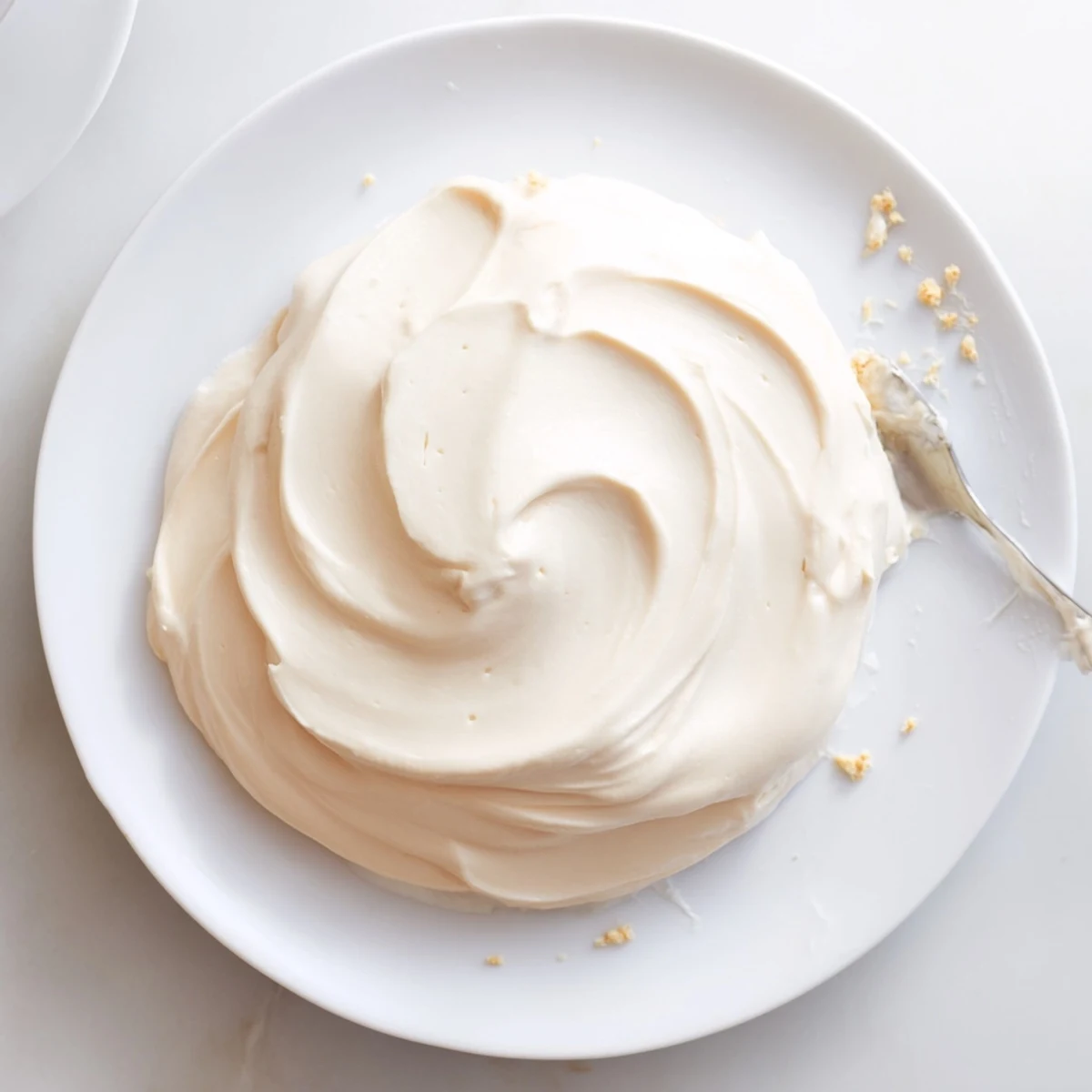
 The moment this buttercream transforms from a separated, scary looking mess into something glossy and thick is genuinely one of the most satisfying things I have ever experienced in a kitchen.
Getting the Temperature Right
A reliable candy thermometer is non negotiable here, so if yours is old or questionable, pick up a new digital one before attempting this recipe. The syrup needs to hit exactly 115 degrees Celsius for the meringue to stabilize properly and hold up against the butter. I learned this the hard way after pulling my syrup too early and watching the whole batch slide right off my cake.
Storing and Reusing
This buttercream keeps beautifully in the fridge for up to five days if you press plastic wrap directly against the surface. When you are ready to use it, let it come completely to room temperature, which takes a couple of hours, then rewhip it until smooth again. You can also freeze it for up to two months in an airtight container.
Flavor Variations Worth Trying
Once you have the base recipe down, the flavor possibilities are genuinely exciting and hard to stop playing with.
- Stir in two tablespoons of espresso powder for a mocha buttercream that pairs wonderfully with chocolate cake.
- Fold in four ounces of melted and cooled dark chocolate for a rich, fudgy variation.
- Add two tablespoons of seedless raspberry puree for a fruity, pink frosting that looks stunning on a vanilla layer cake.
 Pin it
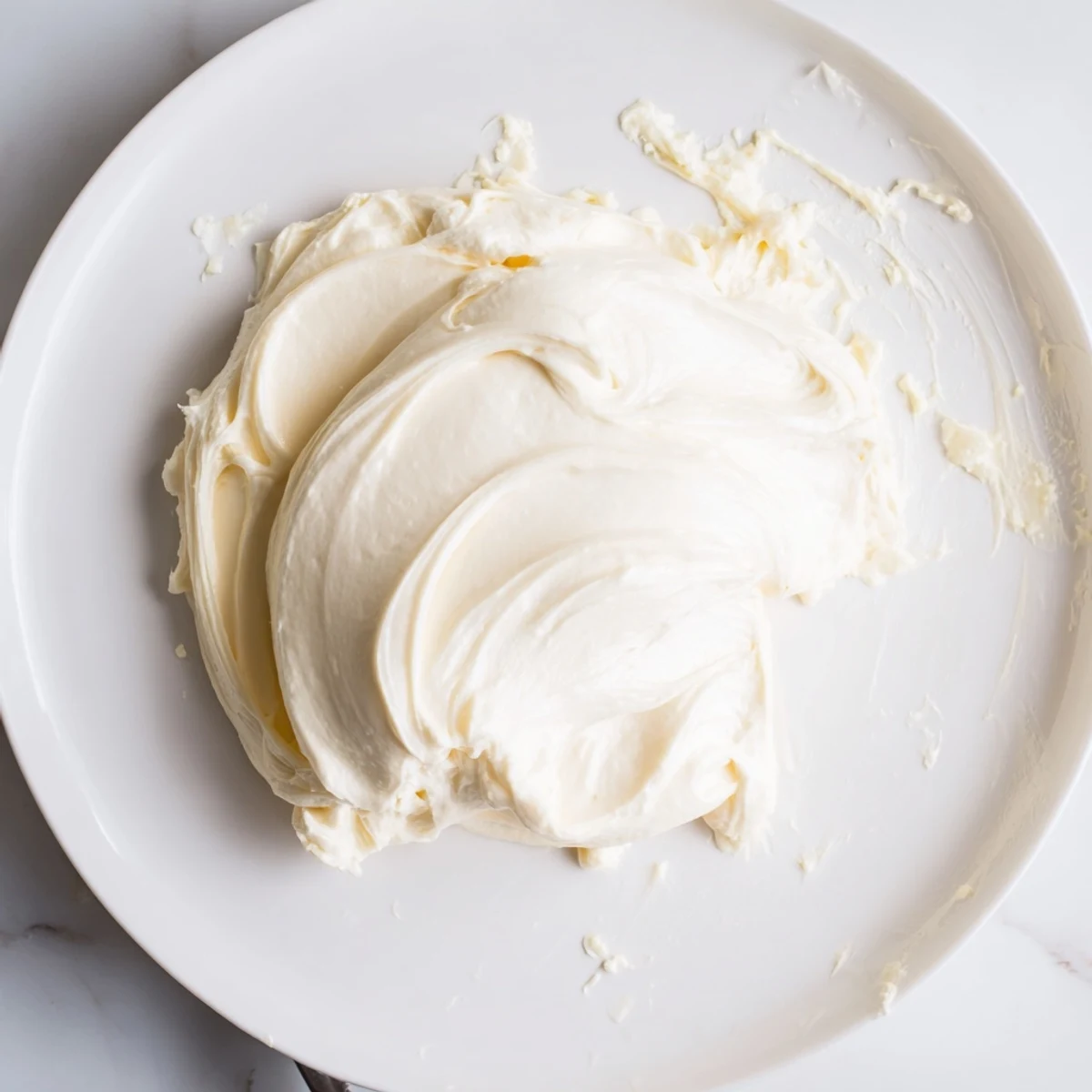
 Mastering Italian meringue buttercream feels like joining a secret club of home bakers who refused to settle for grainy frosting. Your cakes will never be the same, and honestly, neither will you.
Recipe Q&A Section
- → Why does my buttercream look curdled or soupy?
-
This is completely normal during the butter-adding stage. The emulsion simply needs more time to come together. Keep the mixer running on medium speed and continue beating until the mixture turns silky and smooth, which typically takes about 5 minutes.
- → Can I flavor Italian meringue buttercream differently?
-
Absolutely. Once the buttercream is fully emulsified and smooth, fold in espresso powder, melted and cooled chocolate, fruit purees, or citrus zest to create custom flavors that complement your cake.
- → How should I store leftover buttercream?
-
Store it covered in the refrigerator for up to 5 days. Before using, let it come to room temperature, then re-whip until it returns to a smooth, spreadable consistency.
- → What temperature should the butter be?
-
Unsalted butter must be at room temperature and cut into cubes before adding to the meringue. Cold butter will cause the emulsion to seize, while melted butter will make the frosting too loose.
- → Why must the mixing equipment be grease-free?
-
Any trace of grease or fat in the bowl or on the whisk will prevent egg whites from reaching their full volume and forming stable, glossy peaks, which is essential for a successful meringue base.
- → What cakes pair best with this buttercream?
-
Light sponge cakes, vanilla or lemon layers, and desserts featuring red berries or citrus flavors are excellent companions. The silky texture complements delicate crumb structures beautifully.