
 Pin it
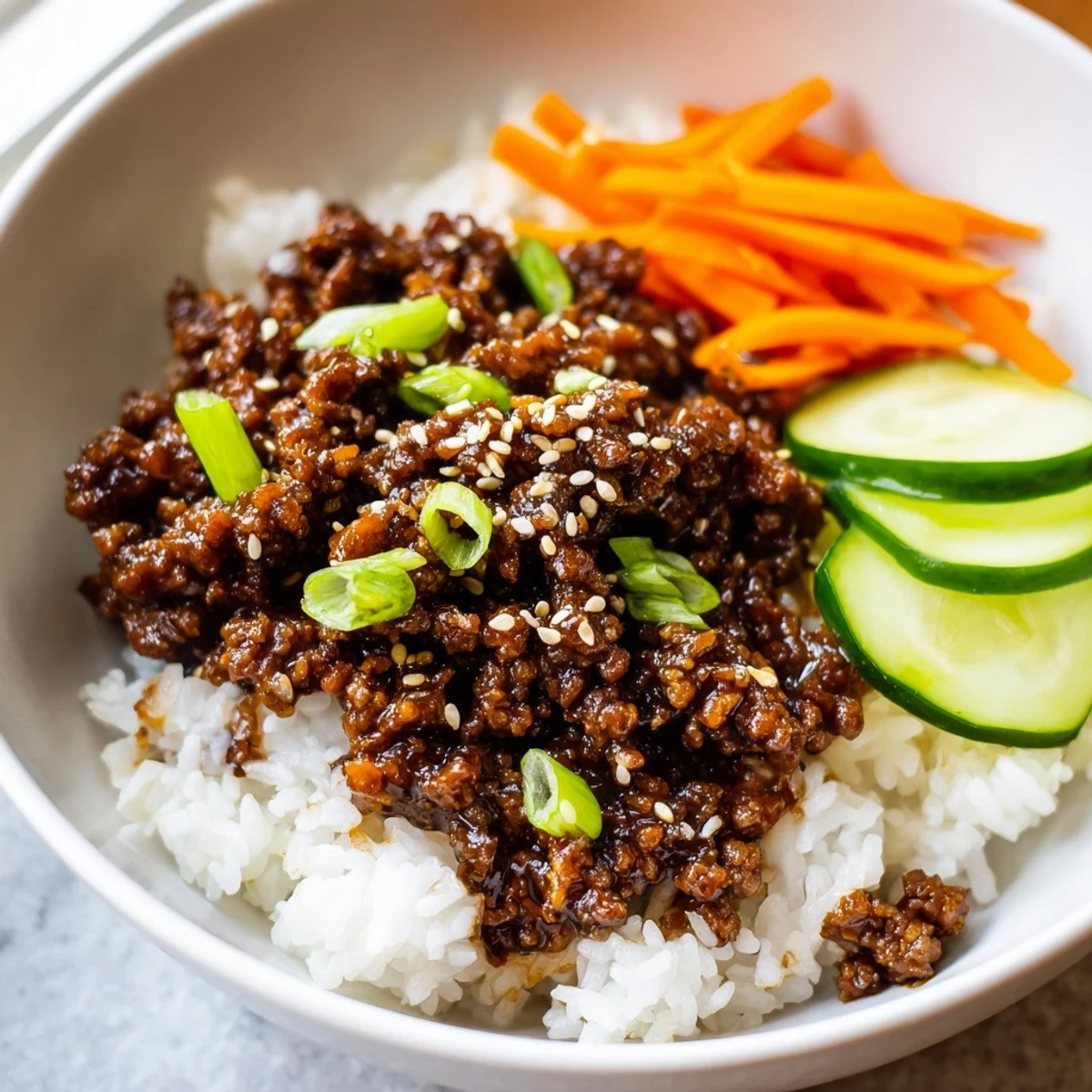
 This Korean ground beef bowl brings together savory browned beef coated in a rich soy-gochujang sauce with hints of sesame, ginger, and garlic.
Served over fluffy jasmine or short-grain rice and topped with crunchy julienned carrots, cool cucumber, green onions, and toasted sesame seeds, it delivers bold flavors in just 25 minutes.
Customizable with ground chicken or turkey, adjustable heat levels, and optional kimchi on the side for an authentic touch.
The sizzle of ground beef hitting a hot skillet on a Tuesday evening is one of those sounds that instantly makes a kitchen feel alive, and this Korean ground beef bowl has been my weeknight rescue more times than I can count. I threw it together one rainy night when the fridge was nearly empty and a jar of gochujang stared back at me like a challenge. What came out of that chaotic fifteen minutes was a bowl so deeply savory and satisfying that I have been making it on purpose ever since.
My roommate walked in halfway through cooking this once and stood over the stove inhaling the garlic and ginger like it was perfume. I handed her a bowl before the toppings even made it to the table, and she ate it standing up with the refrigerator door still open. That moment told me everything I needed to know about this recipe.
Ingredients
- Lean ground beef (1 lb): The foundation of the bowl, lean beef browns beautifully without leaving too much grease behind.
- Cooked jasmine or short grain rice (2 cups): A slightly sticky rice grabs onto the sauce in a way that long grain varieties simply cannot.
- Low sodium soy sauce (1/4 cup): Gives you that deep umami hit while letting you control the salt level yourself.
- Brown sugar (2 tbsp): Balances the heat and salt with a gentle caramel sweetness that makes the sauce irresistible.
- Sesame oil (1 tbsp): A little goes a long way here, adding a nutty warmth that ties the whole dish together.
- Garlic, minced (3 cloves): Fresh is nonnegotiable for this recipe because the aroma is part of the experience.
- Grated fresh ginger (1 tbsp): Adds a bright, almost citrusy spice that wakes up every other ingredient.
- Crushed red pepper flakes (1/2 to 1 tsp): Start with half a teaspoon and taste before adding more, because the heat builds as the sauce simmers.
- Rice vinegar (2 tsp): A subtle tang that keeps the sweetness from taking over the whole bowl.
- Gochujang (1 tbsp, optional): This Korean chili paste adds a fermented depth and gentle heat that takes the sauce from good to unforgettable.
- Green onions, sliced (2): A fresh, oniony crunch on top that cuts through the richness perfectly.
- Toasted sesame seeds (1 tbsp): Sprinkle these on last for a finishing touch of nuttiness and texture.
- Carrot, julienned (1): Adds color and a sweet crunch that contrasts beautifully with the saucy beef.
- Cucumber, thinly sliced (1 small): Cool and crisp, these slices refresh your palate between bites.
- Kimchi (optional, for serving): If you have it, add it, because the fermented funkiness is a natural match.
Instructions
- Whisk the sauce together:
- In a small bowl, combine the soy sauce, brown sugar, sesame oil, garlic, ginger, red pepper flakes, rice vinegar, and gochujang if you are using it. Whisk until the sugar dissolves and everything looks cohesive, then set it aside while you cook the beef.
- Brown the beef:
- Heat a large skillet over medium high heat and add the ground beef, breaking it apart with a spatula as it cooks. Let it sit undisturbed for a minute here and there so you get some caramelized edges, which makes all the difference in flavor. Drain any excess fat if the beef released more than you expected.
- Add the sauce and simmer:
- Pour your prepared sauce over the browned beef and stir everything together so every crumb gets coated. Let it simmer for two to three minutes until the sauce thickens slightly and clings to the beef like a glossy glaze.
- Build your bowls:
- Divide the warm rice among four bowls, then spoon the saucy beef over each one generously. The rice underneath will soak up whatever sauce trickles down, which is exactly what you want.
- Top and serve:
- Scatter green onions, sesame seeds, julienned carrot, cucumber slices, and kimchi over each bowl. Serve immediately while the beef is still hot and the vegetables are cool and crisp.
 Pin it
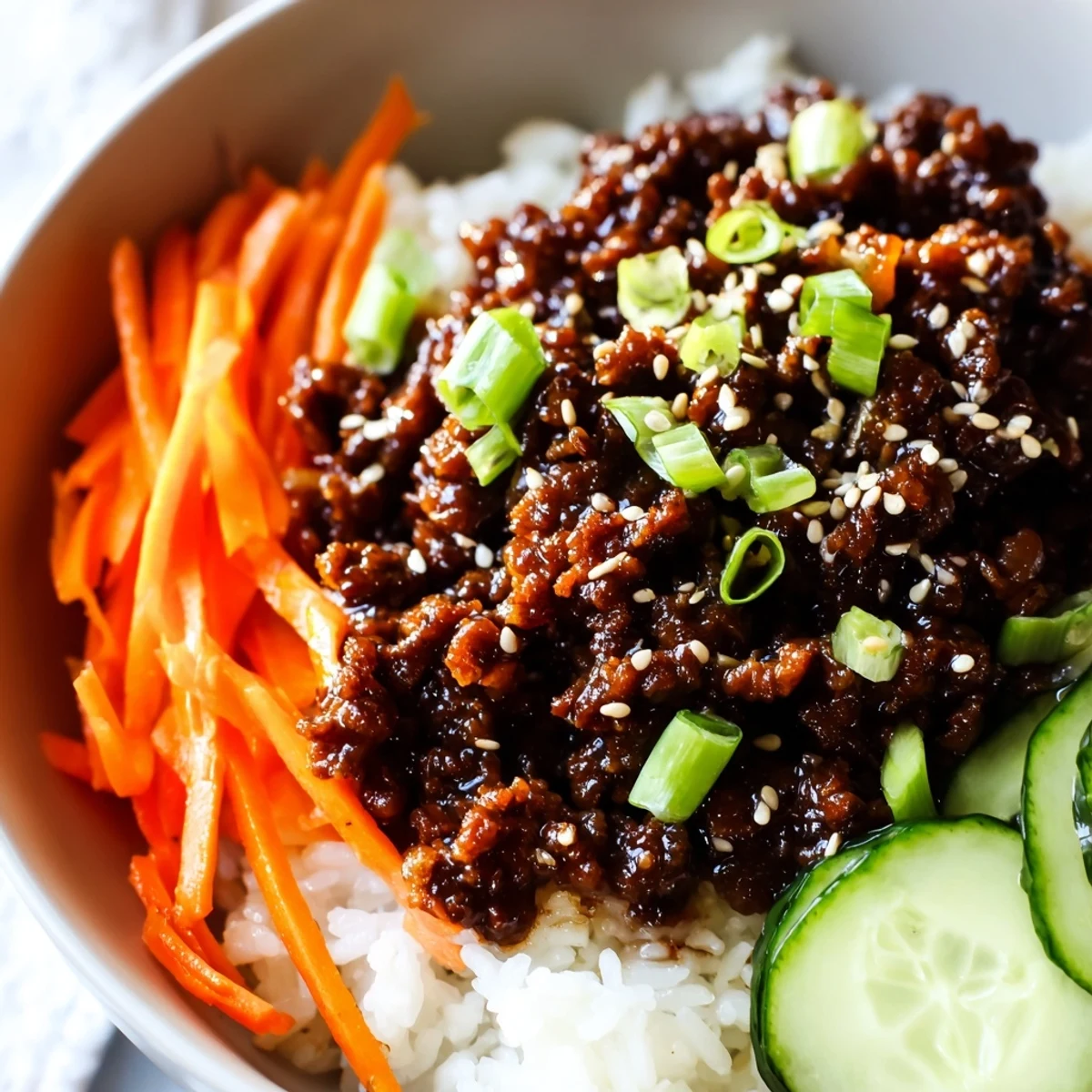
 There is something about a big bowl of saucy beef and rice that turns an ordinary weeknight into a small celebration without any extra effort.
Making It Your Own
Ground chicken or turkey works beautifully if you want something lighter, and the sauce is bold enough to carry leaner proteins without losing any personality. I have also tried crumbling firm tofu into the same sauce for a vegetarian version that surprised me with how satisfying it was.
Gluten Free and Allergy Friendly Swaps
Swapping soy sauce for tamari is an easy change that keeps all the flavor intact while making the dish safe for anyone avoiding gluten. Just check your gochujang label too because some brands sneak wheat into their ingredient lists.
Serving Suggestions and Leftovers
A fried egg on top turns this into something genuinely special, with the runny yolk mixing into the sauce like a built in richness booster. Leftover beef reheats beautifully in the microwave, making it an excellent next day lunch that your coworkers will envy.
- Keep your toppings stored separately from the beef if you plan to eat leftovers the next day.
- A squeeze of fresh lime juice over the finished bowl adds a bright note that you did not know you needed.
- Always make a little extra rice because you will want seconds.
 Pin it
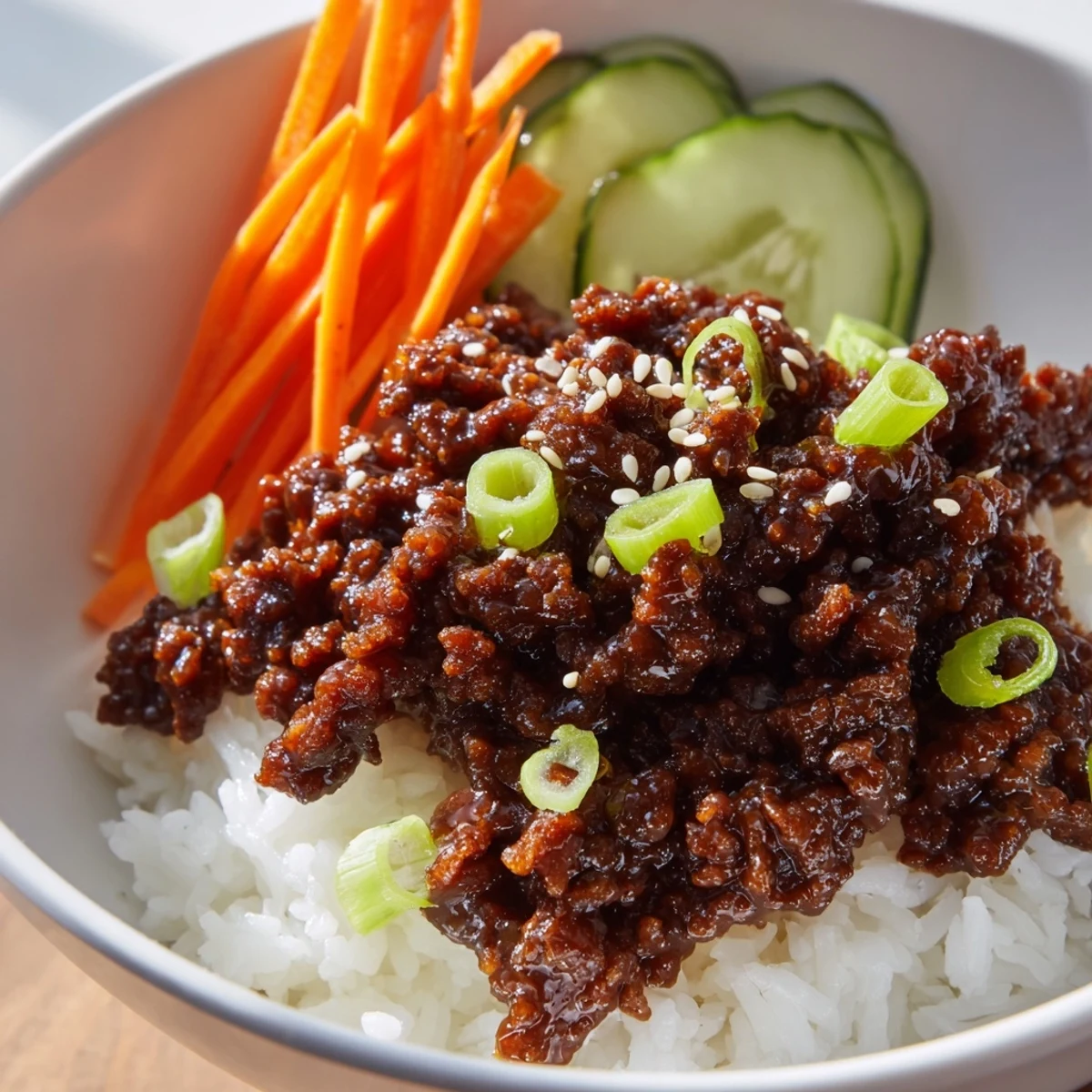
 This bowl has a way of making even the most exhausted cook feel capable and well fed. Keep the sauce ingredients stocked and you will never dread dinner on a busy night again.
Recipe Q&A Section
- → Can I use a different protein instead of ground beef?
-
Yes, ground chicken or turkey works well as a lighter alternative. You can also try crumbled tofu for a plant-based version. Keep the cooking time similar and drain any excess moisture before adding the sauce.
- → How spicy is this Korean ground beef bowl?
-
The heat level is fully adjustable. Start with 1/2 teaspoon of red pepper flakes and skip the gochujang for mild heat. For a spicier kick, use the full teaspoon of flakes and add a tablespoon of gochujang to the sauce.
- → What type of rice works best for this dish?
-
Short-grain white rice is the most traditional choice and offers a sticky, chewy texture that pairs perfectly with the saucy beef. Jasmine rice also works beautifully and brings a fragrant floral note to the bowl.
- → Can I make this ahead for meal prep?
-
Absolutely. Store the cooked ground beef and sauce in an airtight container in the refrigerator for up to 4 days. Keep the rice and fresh toppings separate. Reheat the beef in a skillet or microwave and assemble with fresh garnishes when ready to eat.
- → Is there a gluten-free version of this dish?
-
Yes, simply replace the regular soy sauce with tamari or a certified gluten-free soy sauce. All other sauce ingredients are naturally gluten-free. Double-check the gochujang label as some brands may contain wheat-based additives.
- → What toppings go well with Korean ground beef?
-
Classic toppings include sliced green onions, toasted sesame seeds, julienned carrot, and thin cucumber slices. For extra flavor, add kimchi, a fried egg, pickled radish, or a drizzle of sriracha mayo.