
 Pin it
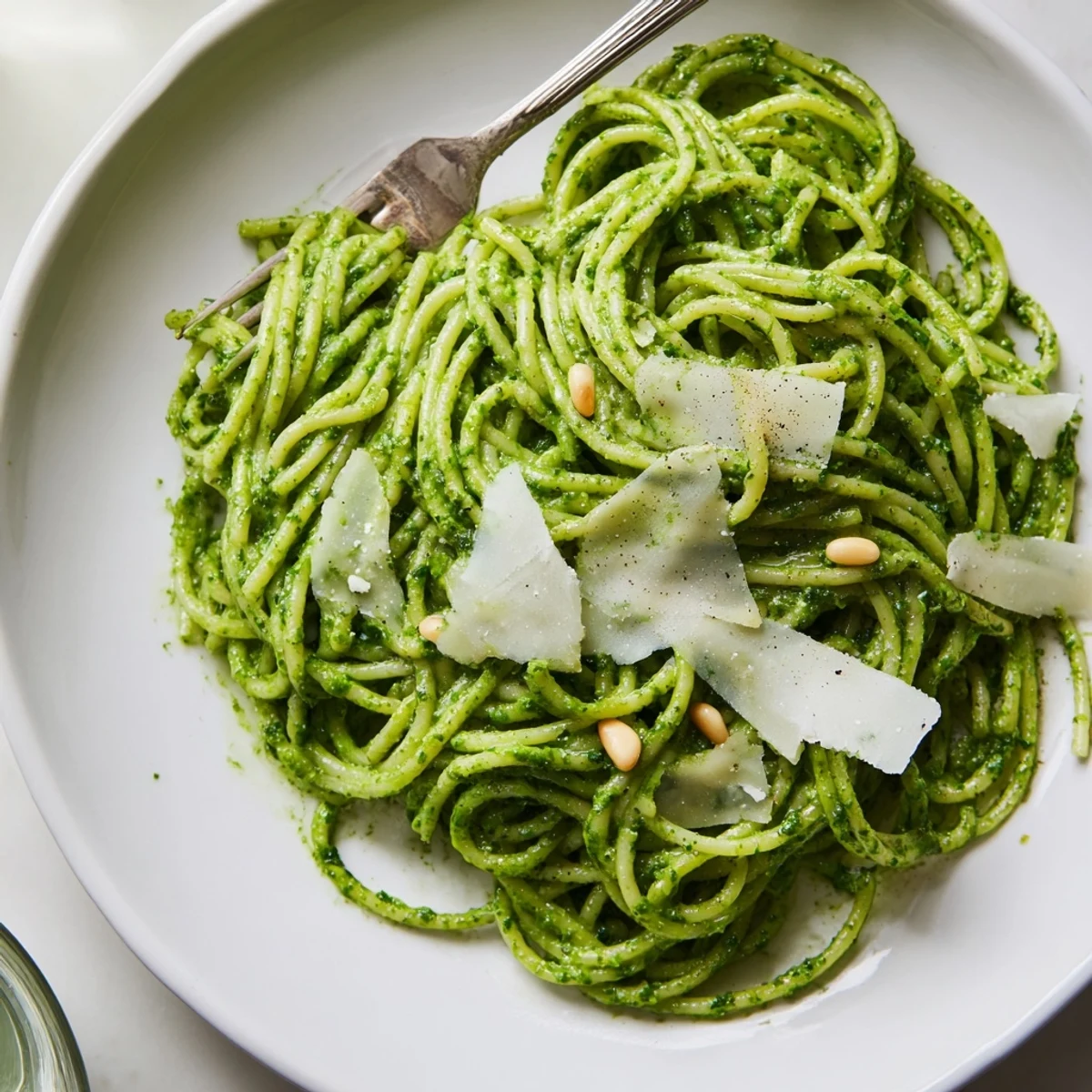
 This wild garlic pesto pasta is a celebration of spring on a plate. In just 25 minutes, you'll have a vibrant, aromatic dish that highlights the unique flavor of wild garlic leaves blended with toasted pine nuts and Parmesan.
The pesto comes together effortlessly in a food processor, creating a silky, bright green sauce that clings beautifully to your favorite pasta. A splash of reserved pasta water ensures the perfect creamy consistency without any heavy cream.
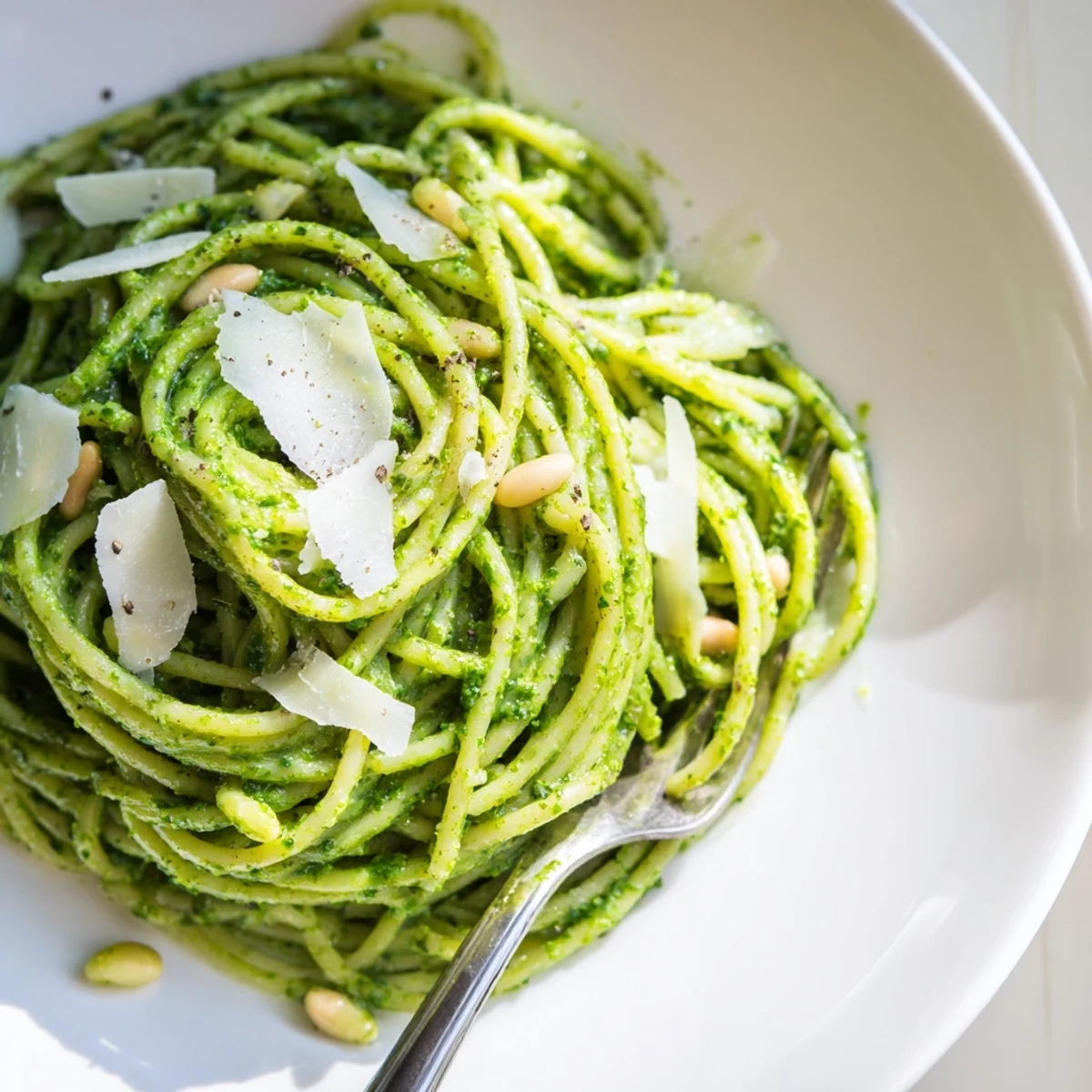
Ideal for busy weeknights or a casual dinner with friends, this vegetarian dish delivers bold, fresh flavors with minimal effort. Garnish with extra Parmesan and cracked black pepper for a simple yet impressive finish.
The smell hit me before I even saw the bundle: sharp, green, almost defiantly alive, like someone had bottled the floor of a spring woodland and handed it to me at the farmers market. The vendor shrugged and said it would only last a day or two, which felt less like a warning and more like a dare. I bought the whole bag, walked home with it clutched like a bouquet, and by evening my kitchen smelled like a hillside after rain. That night, wild garlic pesto pasta was born in my house, and it has returned every spring since.
My neighbor once knocked on my door while I was making this, not to borrow anything but just to ask what on earth I was cooking because the aroma had drifted down the hallway. I sent her home with a plate, and she now texts me every April asking if the wild garlic is back at the market.
Ingredients
- 75 g wild garlic leaves: Rinse them well and pat completely dry, because wet leaves turn the pesto watery and dull the color.
- 50 g toasted pine nuts or walnuts: Toasting is nonnegotiable here, it unlocks a warmth and depth that raw nuts simply cannot give.
- 50 g freshly grated Parmesan cheese: Grate it yourself from a block for the best texture and melting behavior.
- 1 garlic clove: Just one, since the wild garlic already brings plenty of punch on its own.
- 100 ml extra virgin olive oil: Use a good one, you will taste it in every bite.
- Half a lemon, juiced: This small hit of acid lifts everything and keeps the green color vivid.
- Salt and black pepper: Season gradually and taste as you go.
- 400 g dried pasta: Spaghetti, linguine, or penne all work beautifully, so choose whatever shape makes you happy.
Instructions
- Boil the pasta:
- Bring a large pot of generously salted water to a rolling boil and cook the pasta according to the package until just al dente. Scoop out half a cup of that starchy water before you drain, because it is liquid gold for later.
- Build the pesto:
- Toss the wild garlic leaves, toasted nuts, Parmesan, and garlic clove into a food processor and pulse until roughly chopped. The kitchen will already smell incredible at this stage, so pause and enjoy it.
- Stream in the oil:
- With the motor running, slowly pour in the olive oil until you get a smooth, vivid green paste that looks almost too pretty to eat. Add the lemon juice, then season with salt and pepper, tasting until it sings.
- Marry pasta and pesto:
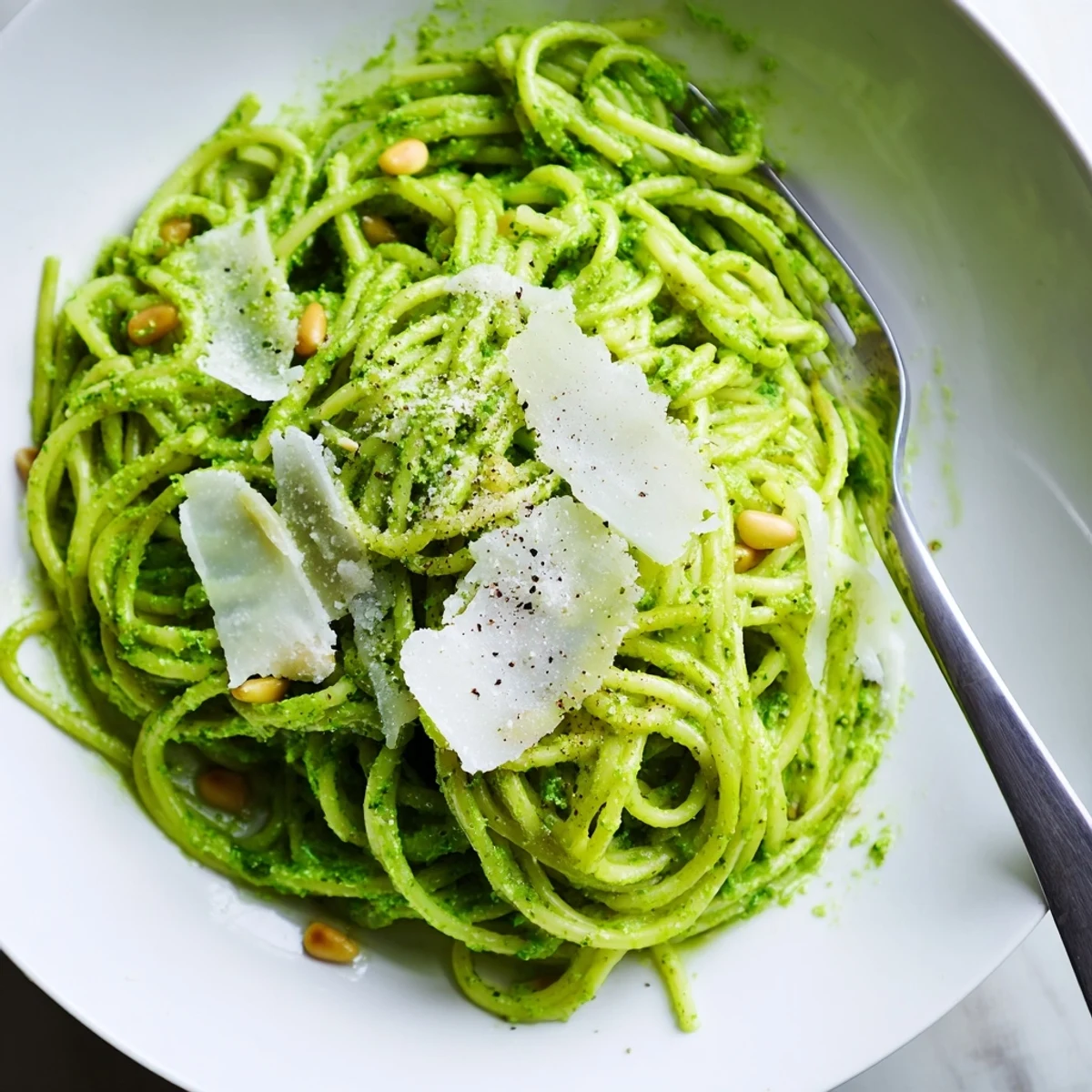
- Dump the drained pasta back into the pot or a big bowl, spoon the pesto over it, and toss vigorously, splashing in reserved pasta water until every strand is glossy and coated. Serve right away with extra Parmesan and a generous crack of black pepper on top.
 Pin it
 One rainy Tuesday I made a double batch of the pesto and stirred the leftovers into scrambled eggs the next morning, and that impromptu breakfast somehow outshone the original dinner.
What to Serve Alongside
A simple green salad with a sharp vinaigrette is really all this pasta needs, though a glass of cold Sauvignon Blanc or a light Pinot Grigio turns a weeknight dinner into something that feels borderline celebratory.
Making It Your Own
Swap pine nuts for toasted almonds or cashews if you want a friendlier price tag without sacrificing crunch, or fold in a handful of cherry tomatoes and some torn mozzarella to stretch it into something heartier.
A Few Final Thoughts
This is the kind of recipe that rewards spontaneity, so trust your instincts and taste as you go. A few small adjustments can turn a good bowl of pasta into an unforgettable one.
- If you cannot find wild garlic, a mix of basil and baby spinach gets you surprisingly close.
- For a vegan version, nutritional yeast works wonders in place of the Parmesan.
- Always save more pasta water than you think you need, you will never regret it.
 Pin it
 Every spring when the first bunches of wild garlic appear, I grab them without thinking, already tasting this pasta before I have even left the market. Some dishes become traditions without any planning at all.
Recipe Q&A Section
- → What does wild garlic taste like?
-
Wild garlic has a delicate, fresh flavor that combines mild garlic notes with a subtle peppery, chive-like quality. It's less pungent than regular garlic cloves and brings a bright, green taste that works beautifully in pesto.
- → Can I use regular basil instead of wild garlic?
-
Yes, you can swap wild garlic leaves for fresh basil to make a classic basil pesto. The flavor profile will shift from spring-like and garlicky to the traditional herky, slightly sweet basil taste. Adjust seasoning accordingly.
- → When is wild garlic in season?
-
Wild garlic, also known as ramsons, is typically in season from late March through May. It grows wild in damp woodland areas and can be foraged or found at farmers' markets during the spring months.
- → How do I store leftover wild garlic pesto?
-
Transfer leftover pesto to an airtight container, press a thin layer of olive oil on top to prevent browning, and refrigerate for up to 3 days. You can also freeze it in ice cube trays for up to 3 months for convenient portioned use.
- → What pasta shapes work best with this pesto?
-
Long strands like spaghetti or linguine work wonderfully for an elegant presentation, while short shapes like penne or fusilli catch the pesto in their crevices for bolder flavor in every bite. Choose whatever your household prefers.
- → Can I make this dish vegan?
-
Absolutely. Replace the Parmesan with nutritional yeast or a plant-based hard cheese alternative. The wild garlic and pine nuts still deliver plenty of savory, umami flavor, and a tablespoon of miso paste can add extra depth.