
 Pin it
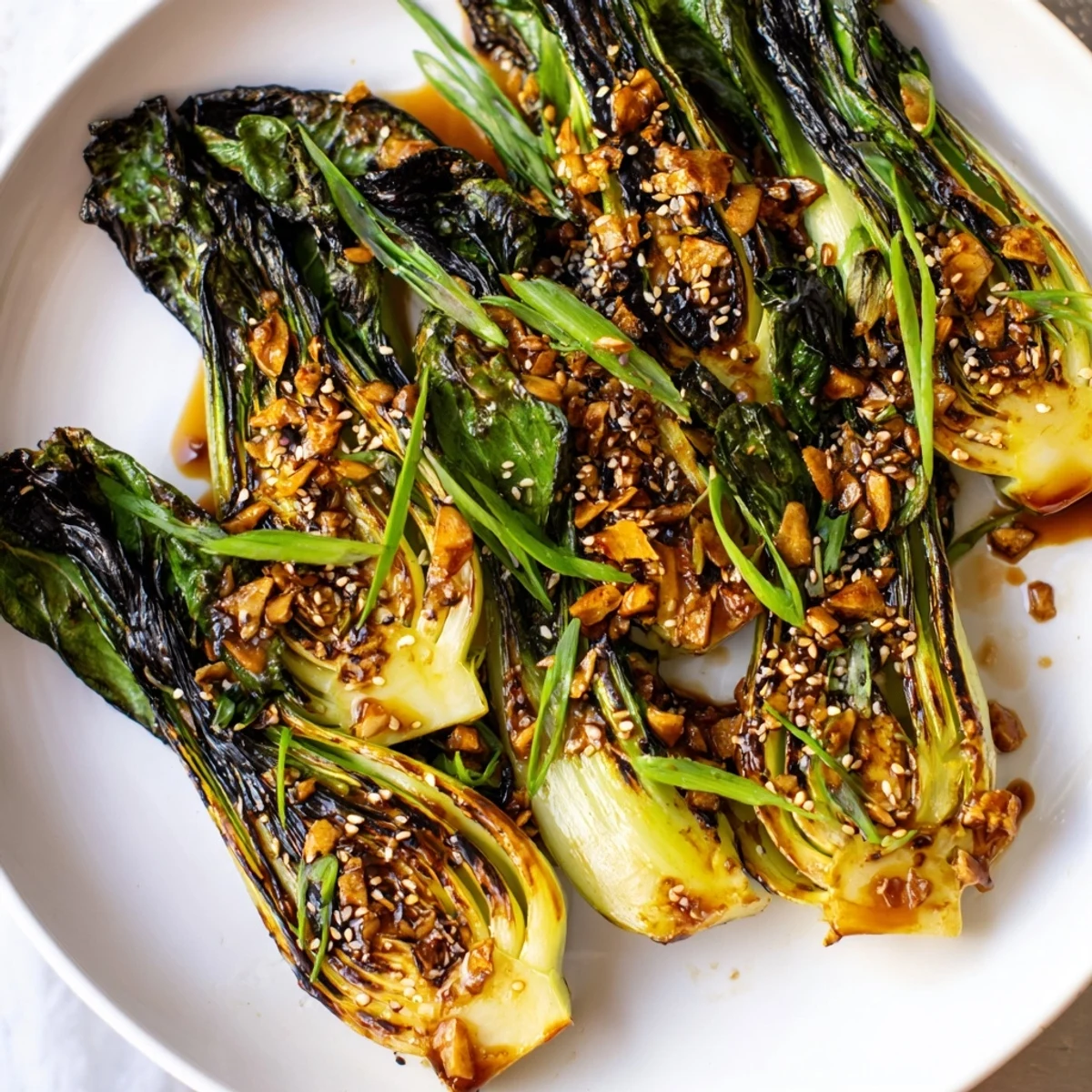
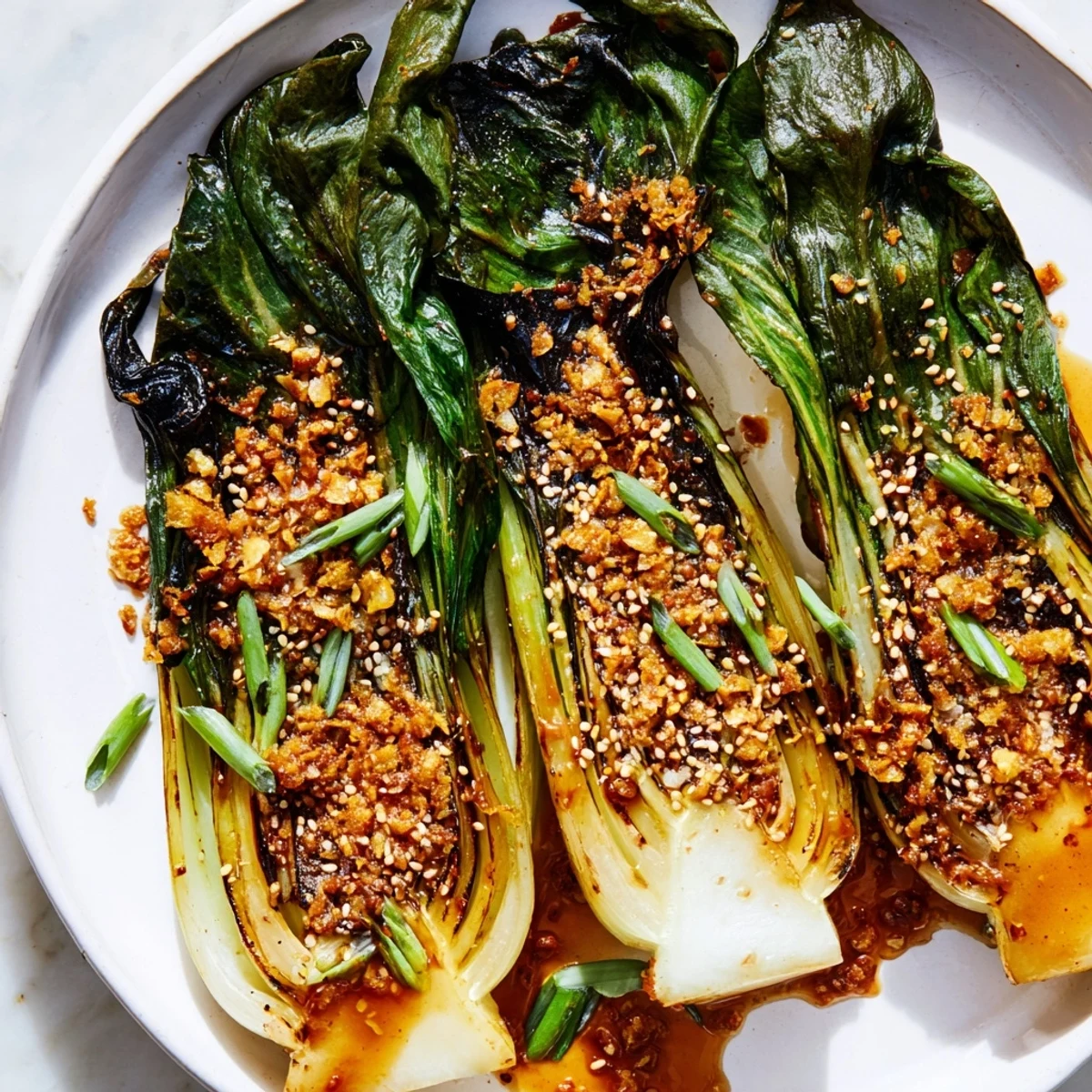
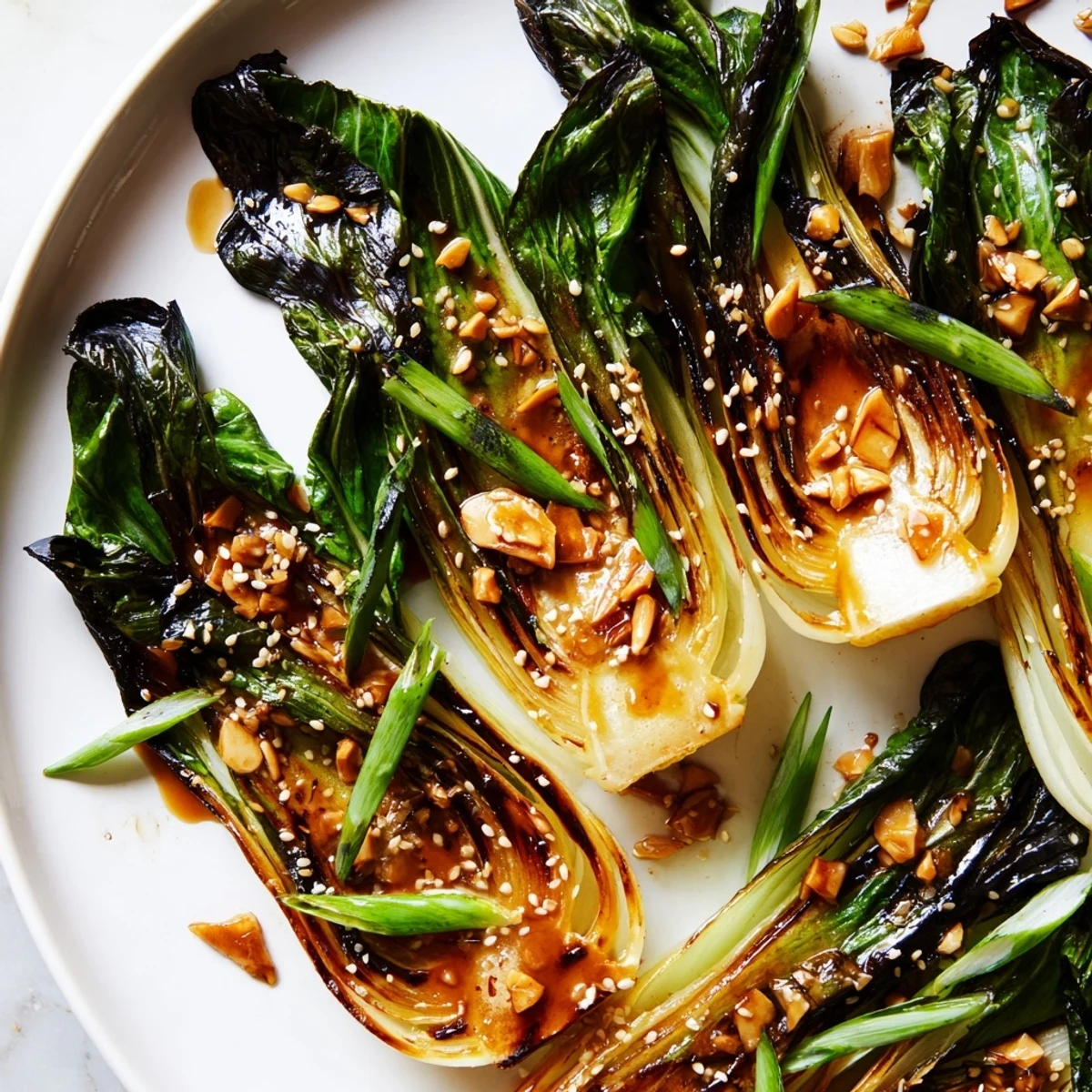
 This caramelized garlic bok choy transforms simple ingredients into a deeply flavorful side dish in just 20 minutes. Baby bok choy is halved and seared cut-side down until beautifully golden, then finished with a quick soy-sesame-maple glaze that coats every piece.
Thinly sliced garlic is slowly crisped in oil until deeply fragrant and nutty, with half reserved for a crunchy garnish on top. The result is tender-crisp bok choy with savory, sweet, and umami notes in every bite.
Serve it alongside steamed rice, stir-fried noodles, grilled tofu, or your favorite protein for a complete meal.
The smell of garlic hitting hot oil is one of those things that stops me mid-conversation every single time. My neighbor once knocked on my door while I was making this dish, not to borrow anything, but to ask what on earth I was cooking because the hallway smelled incredible. That is the power of caramelized garlic and bok choy working together. It takes barely twenty minutes but leaves an impression like you spent hours.
I started making this on busy weeknights when I wanted something green but could not stomach another boring steamed vegetable. My youngest now requests it by name, which feels like a small miracle given that leafy greens are usually met with suspicion at our table.
Ingredients
- Baby bok choy (500 g): Halved lengthwise so the leaves stay attached at the base, which looks beautiful on the plate and helps them cook evenly.
- Garlic cloves (4 large): Thinly sliced rather than minced because the slices turn into crispy, sweet little ribbons you will want to snack on.
- Neutral oil (2 tbsp): Vegetable or sunflower oil works best here since it has a high smoke point and lets the garlic flavor shine.
- Soy sauce (1 tbsp): Use tamari if you need gluten free, and go for a good quality one because it is the backbone of the sauce.
- Maple syrup (1 tbsp): Balances the salty soy sauce and helps the garlic caramelize into something magical.
- Toasted sesame oil (1 tsp): Just a small amount adds a nutty depth that ties everything together.
- Black pepper and salt: Freshly cracked pepper makes a noticeable difference, so do not skip that step.
- Sesame seeds and green onions: Optional for garnish but honestly they make it look like you tried much harder than you did.
Instructions
- Prep the bok choy:
- Rinse each head thoroughly under running water, paying attention to the base where grit likes to hide, then pat completely dry with a clean towel so the oil does not spit at you.
- Mix the sauce:
- Whisk together the soy sauce, maple syrup, and toasted sesame oil in a small bowl until combined and set it nearby because things move quickly once the pan gets hot.
- Bloom the garlic:
- Heat the neutral oil in a large skillet or wok over medium heat, add the sliced garlic, and stir constantly until you see it turn a pale gold color and your kitchen smells unbelievable.
- Sear the bok choy:
- Crank the heat to medium high, place the bok choy halves cut side down in the pan, and resist every urge to move them for two to three minutes so a deep golden crust can form.
- Steam and glaze:
- Flip the bok choy, season with salt and pepper, pour in the sauce, give the pan a gentle shake, then cover and let it steam for two to three minutes until the stems are tender but still have a satisfying crunch.
- Finish and serve:
- Take off the lid, toss everything once more to coat, cook another minute if there is excess liquid, then transfer to a platter and shower with the reserved garlic, sesame seeds, and green onions.
 Pin it
 There was a night I doubled this recipe for friends and we ended up standing around the kitchen island, picking bok choy straight from the serving platter with our fingers before the rest of dinner was even ready.
Getting That Perfect Sear
The cut side of bok choy has a flat surface that browns beautifully if you give it uninterrupted contact with hot metal. Crowding the pan is the enemy here, so use the largest skillet you own or work in batches if needed. The sizzle you hear when the bok choy hits the pan is your signal that everything is going well.
Making It Your Own
A handful of sliced mushrooms or snap peas tossed in during the steaming step turns this into something heartier without any extra effort. I have also added a splash of rice vinegar at the end for brightness, and a pinch of chili flakes when I wanted some heat. The base recipe is forgiving and welcomes experimentation.
What to Serve It With
This pairs effortlessly with steamed rice, soba noodles, or grilled chicken and fish. I have even piled it onto a bowl of ramen when I wanted to feel virtuous about eating noodles for the third time that week.
- Keep leftover bok choy in an airtight container and eat within two days, reheating gently so the garlic does not overcook.
- A squeeze of fresh lime juice right before serving wakes up all the flavors beautifully.
- Remember that the stems take longer to cook than the leaves, so placing stems toward the center of the pan helps everything finish at the same time.
 Pin it
 Some dishes become part of your regular rotation without you even noticing, and this is one of them. Keep a few heads of bok choy in your fridge and you will always be twenty minutes away from something special.
Recipe Q&A Section
- → Can I use regular bok choy instead of baby bok choy?
-
Yes, you can use regular bok choy. Cut the stalks into smaller, even pieces so they cook uniformly. Keep in mind that larger stalks may need an extra 1-2 minutes of steaming to become tender while still maintaining some crunch.
- → How do I keep the garlic from burning?
-
Cook the garlic over medium heat and stir constantly. Remove it from the pan as soon as it turns golden brown and fragrant, usually within 1-2 minutes. Garlic can go from perfectly golden to burnt very quickly, so keep a close eye on it. Reserving half for garnish also prevents it from overcooking during the rest of the process.
- → What can I substitute for soy sauce?
-
Tamari is the best substitute and keeps the dish gluten-free. Coconut aminos also work well and provide a slightly sweeter, milder flavor. Either option will deliver that savory umami character the glaze needs.
- → How do I store and reheat leftovers?
-
Store leftovers in an airtight container in the refrigerator for up to 3 days. To reheat, use a skillet over medium heat with a splash of water to gently warm through and revive the texture. Avoid microwaving too long, as the bok choy can become overly soft and lose its appealing texture.
- → What pairs well with this side dish?
-
This bok choy pairs beautifully with steamed jasmine rice, stir-fried noodles, grilled chicken, tofu, or fish. It also works well alongside other Asian-inspired dishes like miso soup, gyoza, or a simple sesame cucumber salad for a balanced spread.
- → Can I make this dish spicy?
-
Absolutely. Add a pinch of red pepper flakes when cooking the garlic, or drizzle some chili oil or sriracha over the finished dish. A teaspoon of chili garlic sauce stirred into the glaze also adds a nice kick without overpowering the other flavors.