
 Pin it
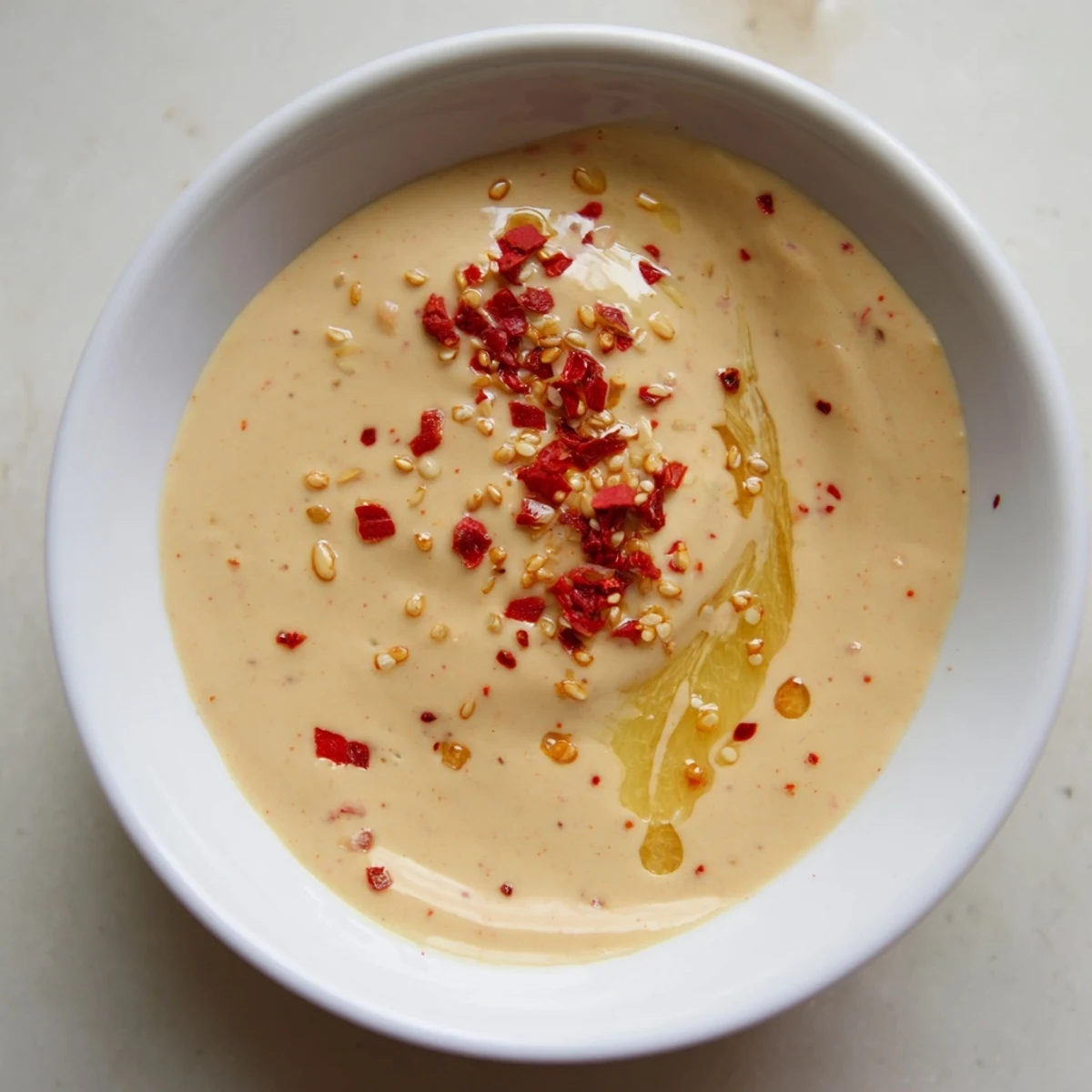
 This chili lime tahini sauce comes together in just 10 minutes with no cooking required. Simply whisk tahini with fresh lime juice, garlic, maple syrup, chili flakes, and cumin, then thin with cold water until perfectly pourable.
The result is a rich, nutty, tangy sauce with a warming kick of heat that elevates everything from grain bowls and roasted vegetables to tacos and grilled proteins. It's naturally vegan, gluten-free, and stores well in the fridge for up to five days.
The jar of tahini had been sitting in my fridge door for three months, half forgotten behind the pickles and an expired jar of olives. One Tuesday evening, staring at a plate of sadly plain roasted sweet potatoes, I grabbed it on a whim and started whisking in lime juice, chili flakes, whatever felt right. The sauce that came together in under ten minutes made those sweet potatoes disappear before they even had a chance to cool down.
I brought a small jar of this to a potluck last summer, fully intending it as a side condiment for my salad. Three people asked for the recipe before the night was over, and my friend Marcus ate the remaining sauce with a spoon straight from the container while helping me wash dishes.
Ingredients
- Tahini (1/2 cup): The backbone of everything here, so use a brand you actually enjoy tasting on its own since some can be bitter or overly thick.
- Fresh lime juice (1/4 cup, about 2 limes): Fresh is nonnegotiable, the bottled stuff lacks the brightness that makes this sauce sing.
- Garlic (1 clove, minced): One clove is plenty since raw garlic can quickly overpower the delicate tahini flavor.
- Maple syrup or agave (1 to 2 tablespoons): This rounds out the acidity and heat, start with less and adjust after tasting.
- Chili flakes or fresh chili (1 to 2 teaspoons): Chili flakes give a warm, even heat while fresh chili brings a sharper, fruitier punch.
- Ground cumin (1/2 teaspoon): A small amount adds earthy depth that ties the Middle Eastern and Latin flavors together.
- Sea salt (1/2 teaspoon, or to taste): Salt wakes up every other flavor, so taste before you serve and adjust confidently.
- Cold water (1/4 cup, more as needed): The secret to turning thick paste into a silky pourable sauce, add gradually and trust the process.
Instructions
- Combine the base:
- Scoop the tahini into a mixing bowl and pour in the lime juice, then whisk with purpose. The mixture will seize and look alarmingly thick at first, but keep going and it will smooth out beautifully.
- Build the flavor:
- Add the minced garlic, maple syrup, chili flakes, cumin, and salt to the bowl. Whisk until every streak of tahini is evenly blended with the seasonings and the color is uniform.
- Thin it out:
- Pour in the cold water a splash at a time, whisking between additions. Stop when the sauce coats the back of a spoon but still falls in a smooth ribbon when you lift the whisk.
- Taste and adjust:
- Dip a vegetable stick or small spoon in and consider whether it needs more lime, salt, or heat. This is your sauce now, so make it taste the way you want it to.
 Pin it
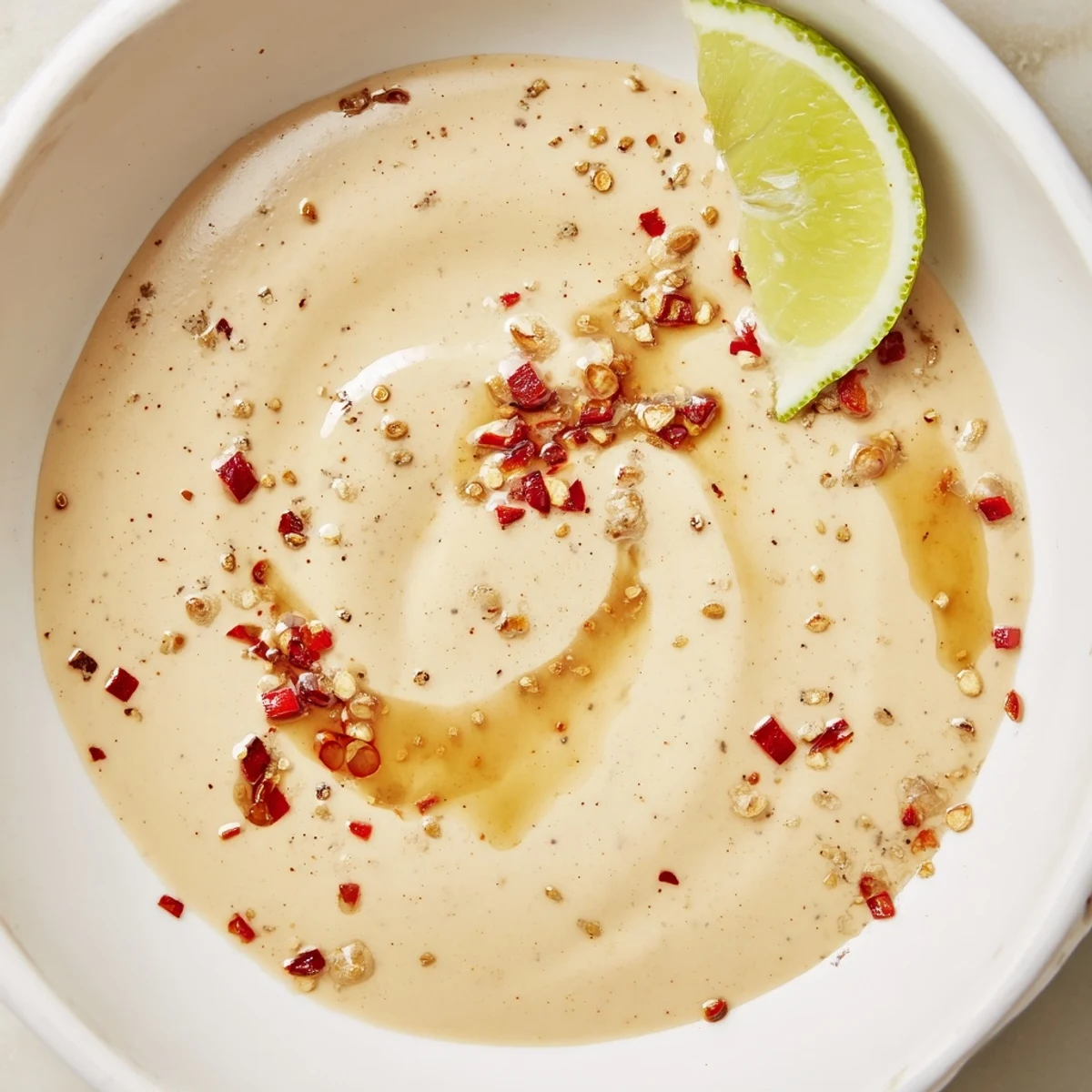
 There is something quietly satisfying about a sauce that needs no stove, no blender, and no planning ahead, yet makes every meal feel considered.
How I Like to Use It
My weeknight routine now includes a quick drizzle over whatever grain bowl I have assembled from leftovers. It works magic on roasted cauliflower, takes a black bean taco from good to unforgettable, and makes raw cucumber slices feel like a proper snack rather than an afterthought.
Swaps and Substitutions
If you run out of limes, lemon juice steps in admirably with a slightly different but equally lovely acidity. Smoked paprika replacing the chili flakes gives you a warm, smoky version that pairs beautifully with grilled eggplant or charred corn.
Getting the Consistency Right
The trickiest part of this recipe is understanding that tahini brands vary wildly in thickness and oil content, so the amount of water you need will change every time. Start conservative and add more until it flows the way you want, and remember it will firm up again in the cold.
- A thick paste is perfect as a sandwich spread or dip for sturdy vegetables.
- A thinner drizzle works better over salads or finished dishes at the table.
- Always do the final consistency check at room temperature for the most accurate read.
 Pin it
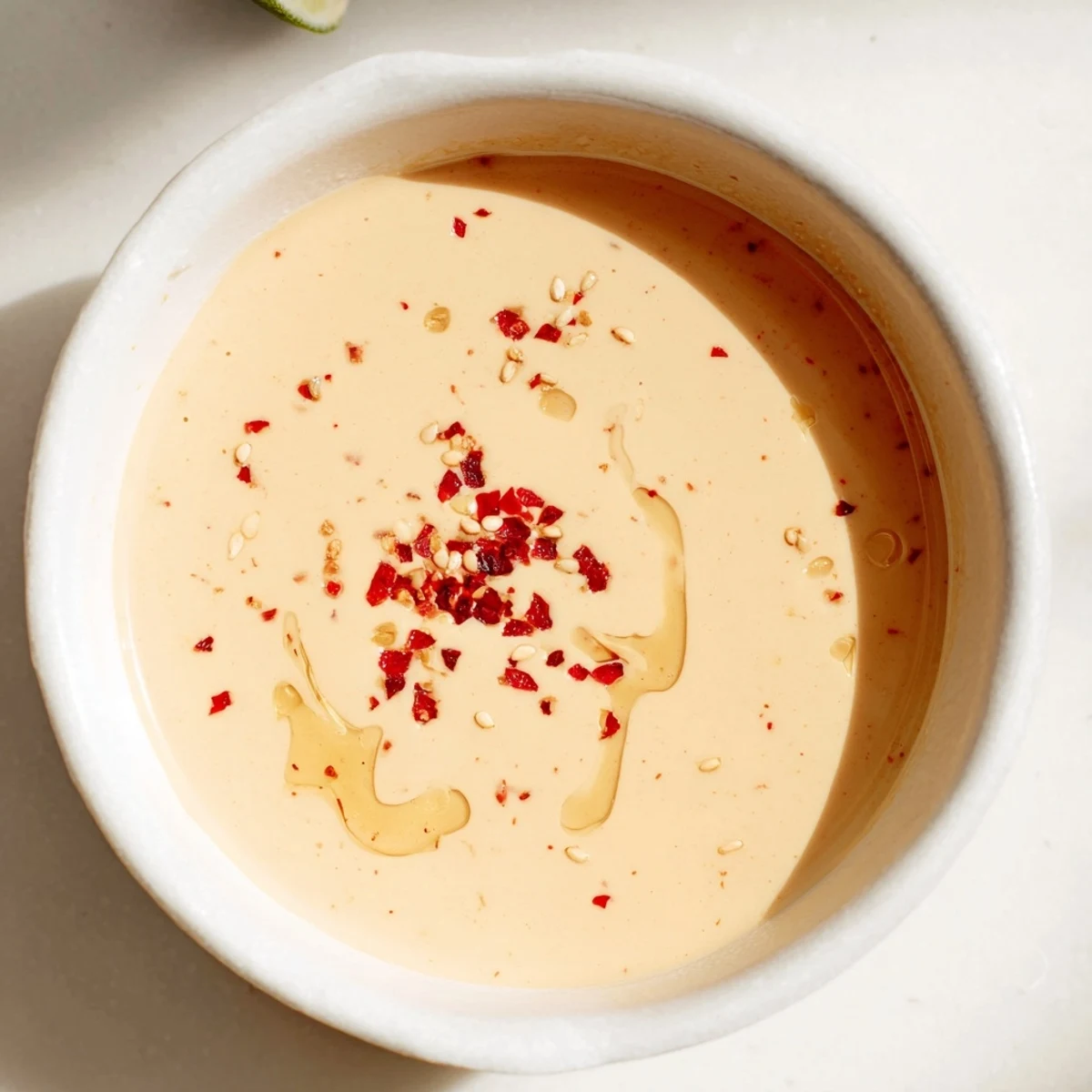
 Keep a jar of this in your fridge and you will find yourself looking for excuses to use it on everything. It is the kind of small kitchen victory that makes weeknight cooking feel less like a chore and more like a quiet pleasure.
Recipe Q&A Section
- → How long does chili lime tahini sauce last in the fridge?
-
Store the sauce in an airtight container in the refrigerator for up to 5 days. Stir well before serving, as tahini-based sauces tend to thicken when chilled. Add a splash of water to loosen the consistency if needed.
- → Can I make this sauce less spicy?
-
Absolutely. Start with just half a teaspoon of chili flakes and taste before adding more. You can also substitute smoked paprika for a milder, smokier flavor without the intense heat.
- → What can I substitute for lime juice?
-
Fresh lemon juice works well as a direct substitute if limes are unavailable. The flavor profile shifts slightly but remains bright and tangy. Avoid bottled lime juice, as fresh citrus makes a noticeable difference in taste.
- → Why did my tahini sauce seize and become thick?
-
This is completely normal. When acidic lime juice meets tahini, the mixture often thickens and seizes. Continue whisking and gradually add cold water until the sauce becomes smooth and reaches your desired pourable consistency.
- → Is this sauce suitable for people with nut allergies?
-
Tahini is made from sesame seeds, not tree nuts, so it may be suitable depending on the specific allergy. However, this sauce does contain sesame, which is a recognized allergen. Always verify ingredient labels for potential cross-contamination if sensitivity is a concern.
- → What dishes pair well with chili lime tahini sauce?
-
Drizzle it over grain bowls, roasted vegetables, salads, and grilled proteins. It also works beautifully as a dip for fresh vegetables, a spread for wraps and sandwiches, or a finishing sauce for tacos and falafel.