
 Pin it
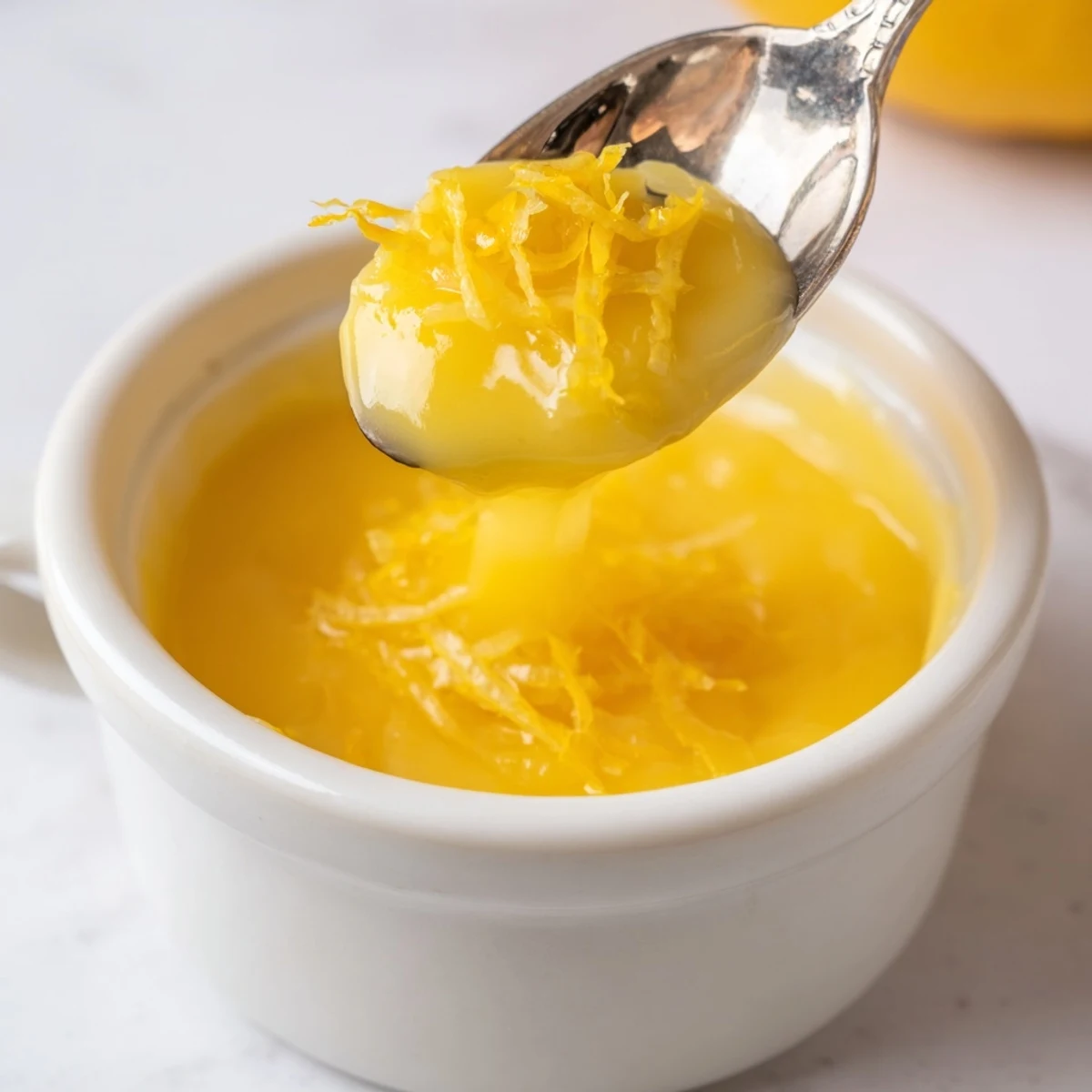
 Homemade lemon curd blends bright lemon zest and juice with sugar, butter, and eggs, gently cooked over a double boiler while whisking constantly until it thickly coats a spoon. Strain for a silky finish, press plastic wrap on the surface to prevent a skin, and chill for at least 2 hours. Yields about 2 cups and keeps airtight in the fridge for up to 2 weeks.
The smell of lemon zest hitting a warm whisk will forever remind me of Sunday mornings in my tiny apartment kitchen, windows fogged up from the saucepan steam below. There is something almost magical about watching butter and sugar and eggs transform into a golden, velvety curd right before your eyes. This recipe became my quiet ritual, a small act of patience that always paid off.
One Saturday I brought a jar of this to a friends brunch and watched three people fight over the last spoonful scraped straight from the glass. That was the moment I realized lemon curd is not just a condiment, it is a conversation starter.
Ingredients
- 3 large lemons, zest finely grated and juiced (about 120 ml juice): Fresh is non negotiable here, bottled juice will leave you with a flat, one dimensional curd that no amount of sugar can rescue.
- 115 g unsalted butter, cubed: Cubing the butter before you start ensures it melts evenly into the mixture without leaving greasy streaks.
- 3 large eggs plus 1 large egg yolk: The extra yolk is the secret to that luxuriously thick consistency that holds its shape on a scone.
- 200 g granulated sugar: This balances the sharpness of the lemon without muting its brightness, so measure generously and do not reduce it.
Instructions
- Whisk everything together:
- Crack the eggs and yolk into a heatproof bowl, pour in the sugar, zest, and juice, and whisk until the mixture looks unified and slightly frothy on top.
- Set up your double boiler:
- Fill a saucepan with a few inches of water and bring it to a gentle simmer, then rest the bowl on top making sure the bottom never touches the water beneath.
- Stir in the butter and cook patiently:
- Drop in the cubed butter and whisk constantly for 10 to 15 minutes, feeling the mixture gradually thicken until it coats the back of a spoon like a warm custard.
- Strain for silkiness:
- Pour the curd through a fine mesh sieve into a clean bowl, pressing gently with a spatula to catch any bits of cooked egg or stray zest.
- Cool and chill:
- Press plastic wrap directly against the surface of the curd to prevent a skin, then refrigerate for at least 2 hours so it can set into the perfect spoonable consistency.
 Pin it
 I once gifted a small jar to my neighbor and she told me she ate it with a spoon standing at the kitchen counter at midnight. That honesty made me love this recipe even more.
How I Store and Keep It Fresh
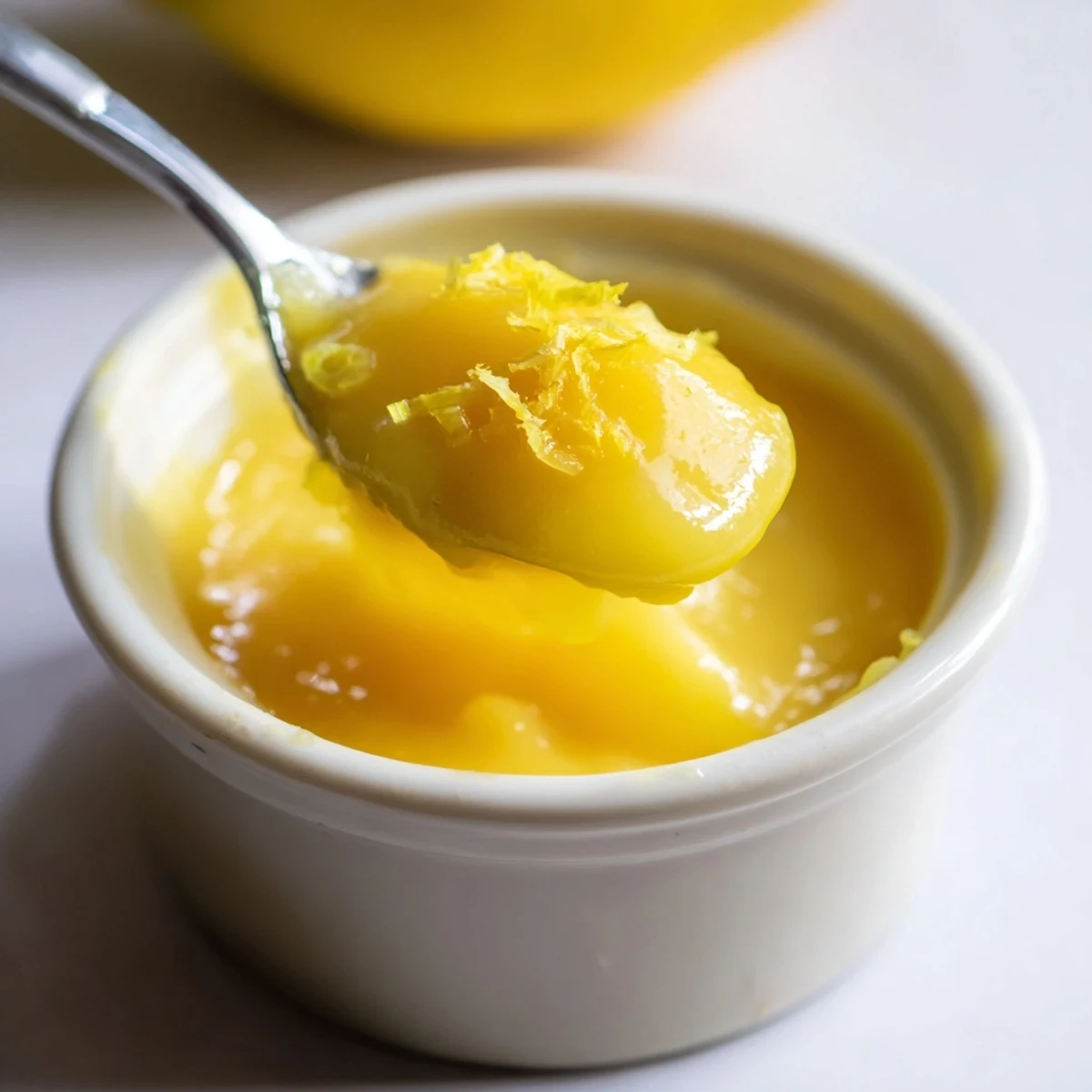
An airtight jar in the fridge keeps this curd vibrant and delicious for up to two weeks, though in my house it never lasts that long. I always label the jar with the date so I know when the window of peak freshness starts to close.
My Favorite Ways to Use Lemon Curd
Smeared on a warm scone with clotted cream is the classic move and it is flawless, but do not sleep on swirling it through yogurt or using it as a tart filling. I have also been known to layer it between thin sponge cakes when I want something impressive without much fuss.
Troubleshooting and Final Thoughts
Every batch teaches you something new about heat control and patience, and even a slightly imperfect batch is still delicious on toast. The beauty of lemon curd is that it forgives you quickly and rewards you generously.
- If your curd looks too thin after chilling, it likely needed another minute or two on the heat, but you can gently reheat and cook it longer.
- A slightly sharper curd pairs beautifully with sweet pastries that need a bright contrast to balance them out.
- Always taste your lemons before juicing, because a dull lemon makes dull curd no matter what else you do right.
 Pin it
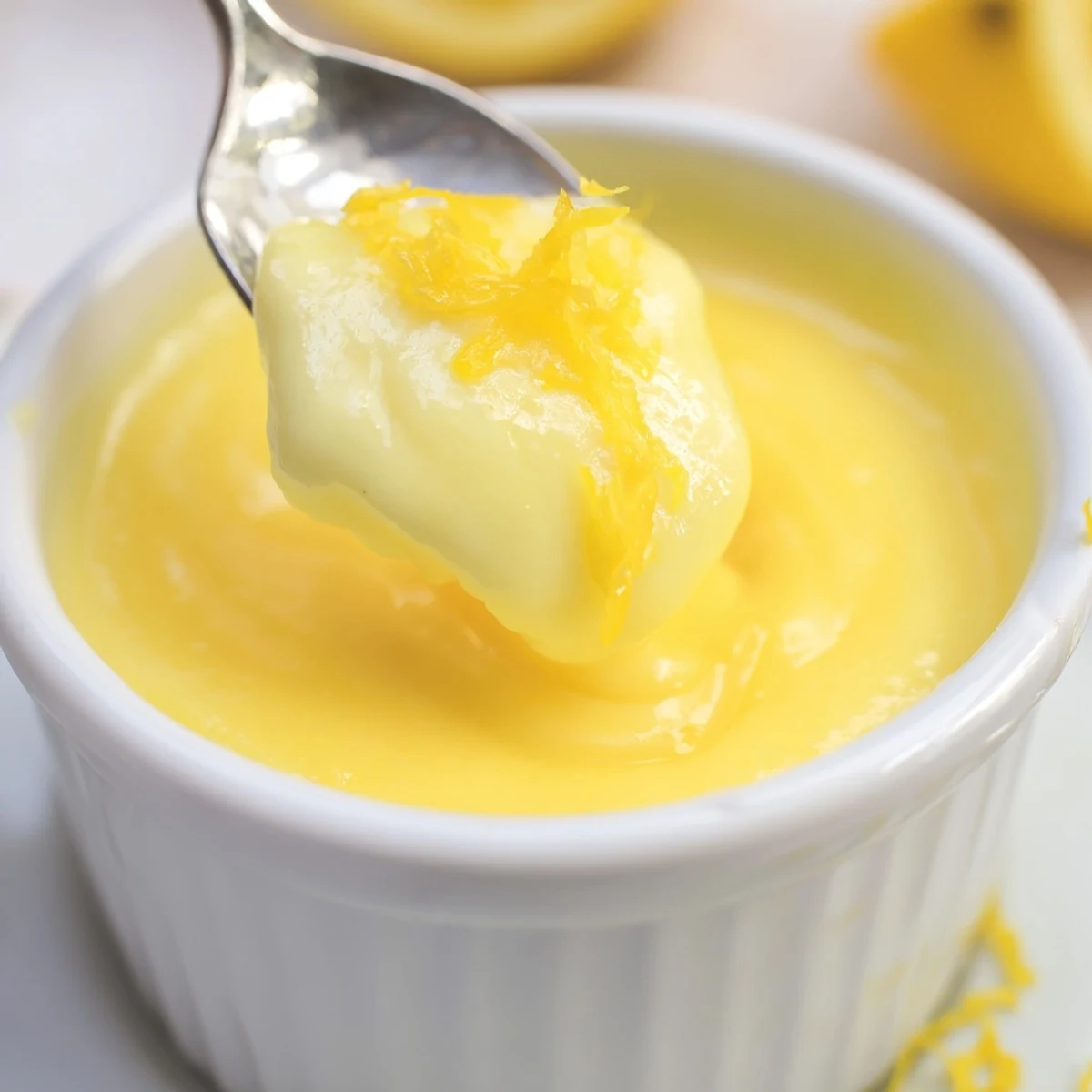
 This golden jar of sunshine is worth every minute of whisking, and I hope it becomes part of your own kitchen story. Share it generously and watch people light up.
Recipe Q&A Section
- → How do I prevent the curd from curdling?
-
Cook gently over a double boiler and whisk constantly to distribute heat. Avoid boiling; remove from heat as soon as the mixture thickens and coats the back of a spoon.
- → Can I use only egg yolks for a richer result?
-
Yes—using only yolks yields a richer, more custard-like texture, though it will be denser and slightly less set when chilled. Reduce cooking time slightly and watch thickness closely.
- → Why strain the curd after cooking?
-
Straining removes any cooked egg bits and zest fragments, producing a smooth, glossy curd that spreads and layers cleanly in tarts and pastries.
- → How long does the curd keep in the fridge?
-
Stored airtight, lemon curd keeps up to 2 weeks in the refrigerator. Use a clean spoon each time to avoid introducing contaminants.
- → Can I cook the curd over direct heat instead of a double boiler?
-
Direct heat increases the risk of scrambling the eggs. If using direct heat, cook over the lowest flame and whisk constantly, but the double boiler is the safer option for even, gentle heating.
- → What can I use the curd for besides scones and tarts?
-
Use it to fill cakes, swirl into yogurt, spoon over pancakes, dollop on ice cream, or layer into trifles for bright citrus flavor and silky texture.