
 Pin it
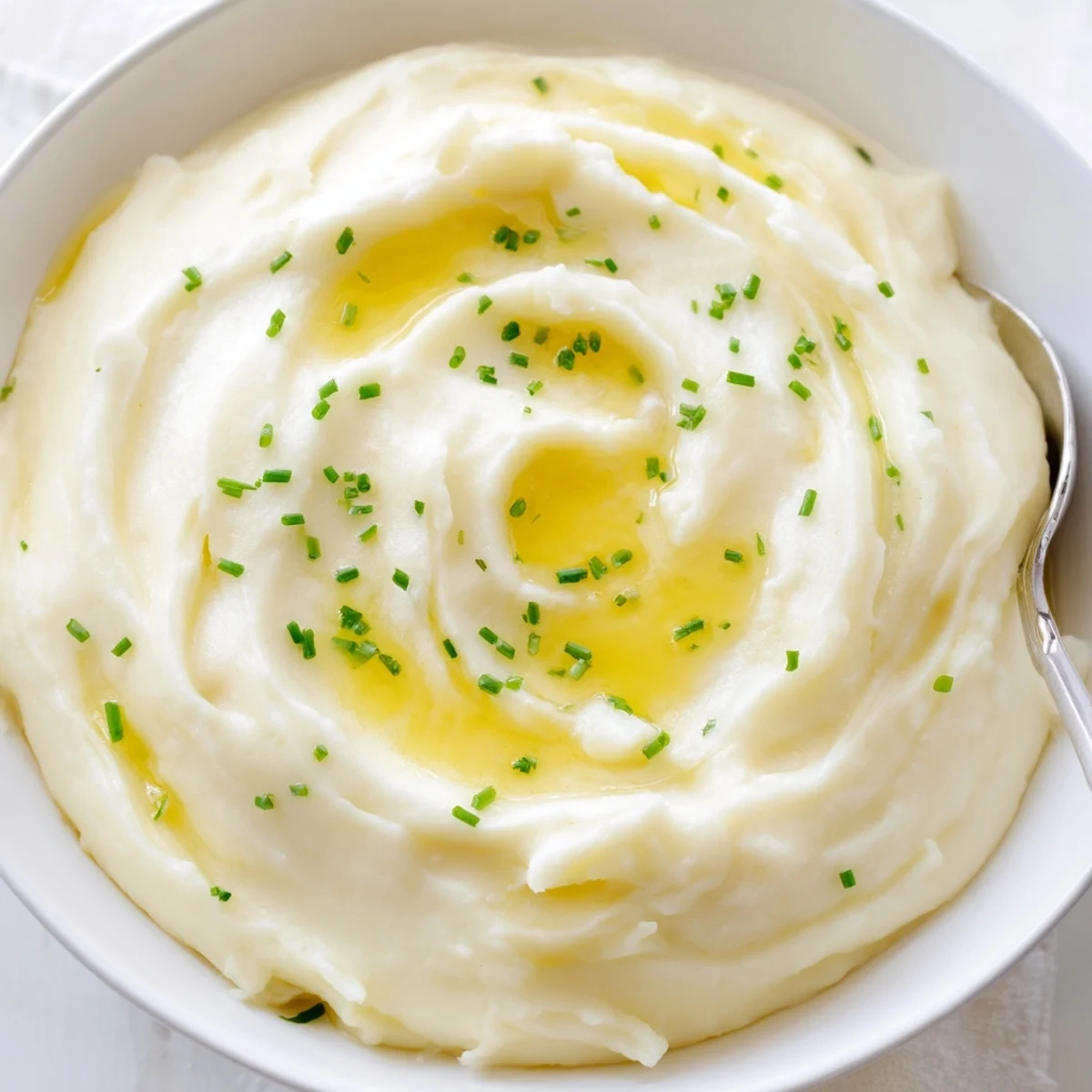
 These velvety mashed potatoes combine Yukon Gold or Russet potatoes with rich butter, warm whole milk and heavy cream for an irresistibly smooth texture.
Ready in just 40 minutes, this classic American side dish is naturally vegetarian and gluten-free. Simply boil peeled potato chunks until fork-tender, drain thoroughly, then mash with butter before gently folding in warmed dairy.
Season with salt and freshly ground black pepper for a comforting accompaniment that pairs beautifully with roasted meats, sautéed greens or any weeknight dinner.
The sound of a potato ricer squeezing is oddly satisfying, like a deep exhale after a long week. My friend Maria taught me that trick over a Sunday dinner where everything else went sideways but the potatoes saved the entire meal. Now I judge all mashed potatoes against that batch, and honestly, most do not come close.
I once made these for a potluck where the main dish showed up two hours late, and people just stood around the kitchen eating potatoes off the serving spoon. There is something about a bowl of perfectly smooth mashed potatoes that makes everyone lose their manners in the best way.
Ingredients
- Yukon Gold or Russet potatoes: Yukon Golds give you a naturally buttery flavor and creamy texture, while Russets yield fluffier results, so pick based on your mood.
- Unsalted butter: Letting it melt into hot potatoes before mashing creates a richer foundation than adding it later.
- Whole milk: Always warm your milk first because cold liquid seizes the starches and turns your potatoes gluey.
- Heavy cream: This is the secret to that velvety finish that makes people ask what you did differently.
- Salt and black pepper: Season the boiling water generously so the potatoes absorb flavor from the inside out.
Instructions
- Start the potatoes right:
- Place peeled potato chunks in a large pot and cover with cold salted water by at least two inches. Starting cold ensures even cooking all the way through.
- Simmer until tender:
- Bring to a boil, then drop to a gentle uncovered simmer for 15 to 20 minutes. You will know they are ready when a fork slides through the center with zero resistance.
- Drain and dry:
- Drain thoroughly and return the potatoes to the warm pot. Let them sit for a minute so residual steam evaporates excess moisture.
- Melt the butter:
- Add the butter and let it sit for one to two minutes undisturbed. Watching butter disappear into hot potatoes is a small kitchen joy.
- Mash with intention:
- Use a potato masher or ricer and work until smooth and lump free. A ricer will give you that restaurant quality silkiness with almost no effort.
- Fold in the liquids:
- Gradually add the warmed milk and heavy cream, folding gently until everything is light and creamy. Overmixing is the enemy here, so go slow and stop sooner than you think.
- Season and serve:
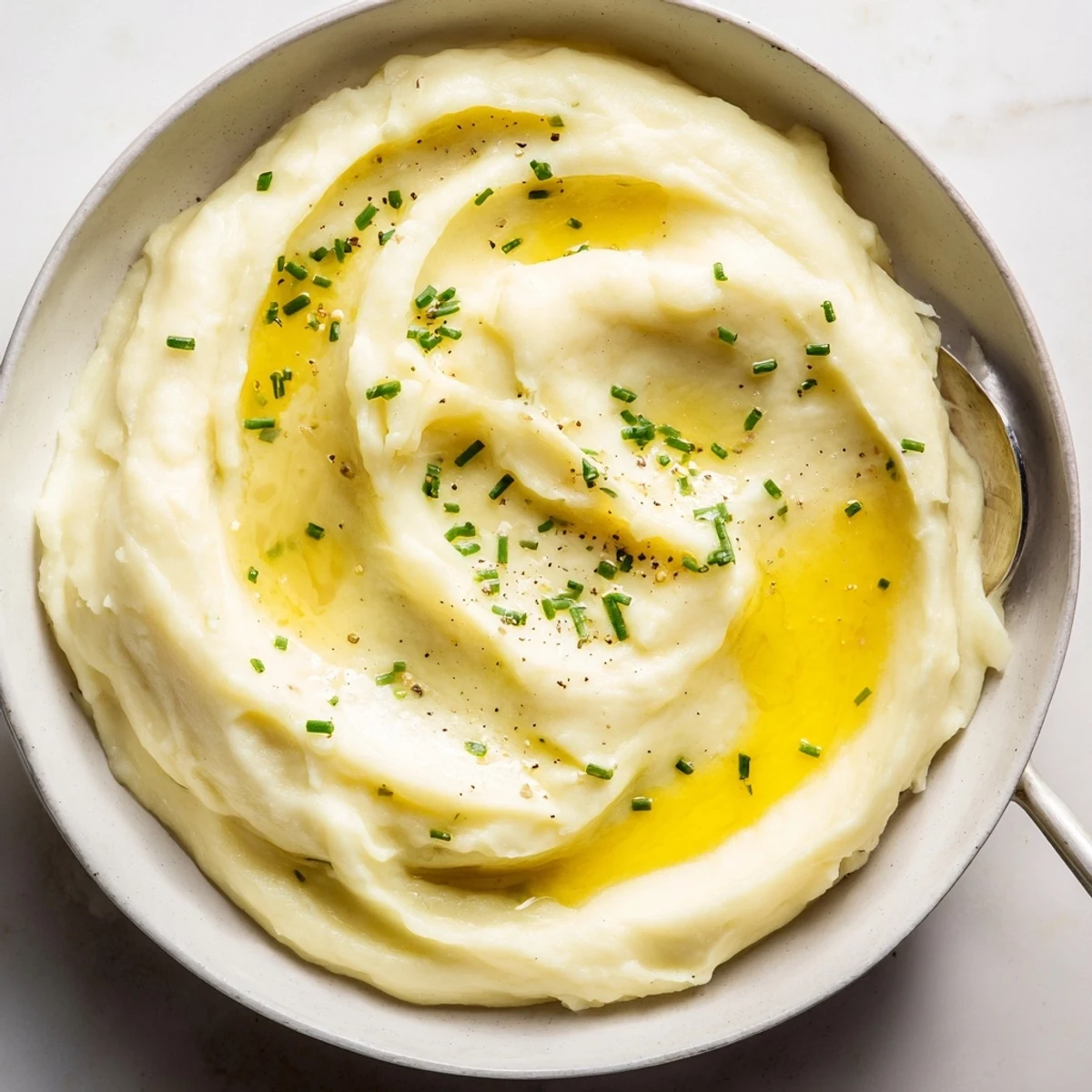
- Taste for salt and pepper, stir once more, and serve immediately with an extra pat of butter or fresh chives on top.
 Pin it
 The night my niece asked for thirds and then fourths, skipping dessert entirely, I knew this recipe had earned a permanent spot in my rotation.
Picking the Right Potato
Yukon Golds are my default because their medium starch content means they can handle cream without collapsing. Russets are wonderful if you want something lighter and fluffier, almost cloudlike, but they require a gentler hand during mashing. Red potatoes work in a pinch but tend to leave small chunks no matter how hard you try.
Getting Ahead of the Game
You can peel and cube the potatoes up to 24 hours in advance if you store them submerged in cold water in the fridge. The assembled mashed potatoes also hold well in a slow cooker on low for up to four hours, which frees up stove space on busy cooking days.
Variations Worth Trying
Roasted garlic folded in at the mashing stage will make you question why you ever made plain potatoes. A handful of sharp cheddar or a dollop of sour cream takes the richness in a completely different direction.
- Add a pinch of nutmeg for a subtle warmth that most people cannot identify but everyone notices.
- Try browning the butter first for a nutty, toasty depth that elevates the entire dish.
- Finish with fresh chives, scallions, or even crispy shallots right before serving for color and crunch.
 Pin it
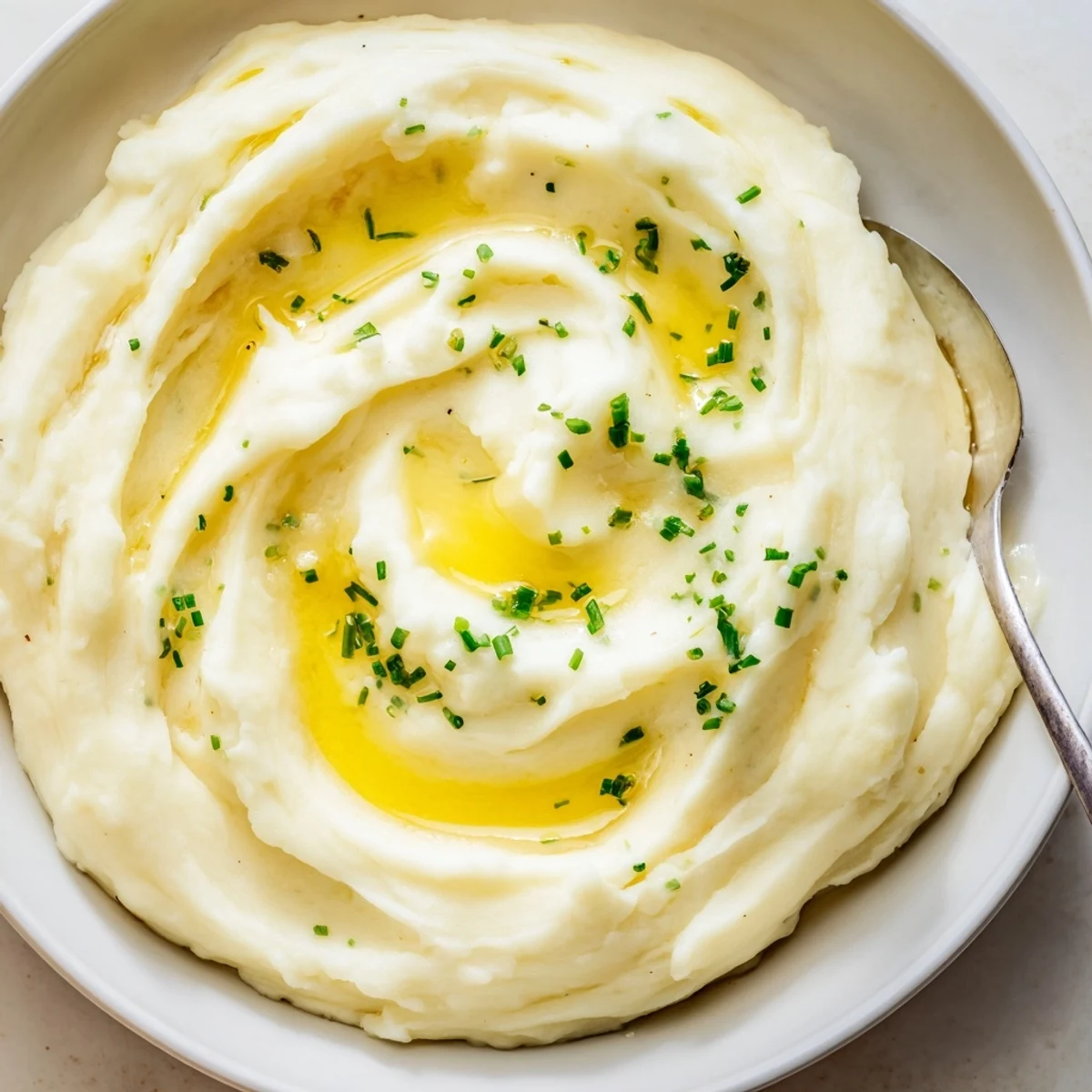
 A bowl of really good mashed potatoes does not need an occasion. Make them on a random Tuesday and watch an ordinary dinner turn into something worth remembering.
Recipe Q&A Section
- → What type of potatoes work best for mashed potatoes?
-
Yukon Gold potatoes yield a naturally creamy, buttery texture, while Russets produce a fluffier result. Both work excellently—Yukon Golds are preferred for their naturally smooth consistency and rich flavor.
- → Why should milk and cream be warmed before adding?
-
Warming the milk and heavy cream prevents the potatoes from cooling down and becoming gummy when the cold liquid hits them. Room temperature or gently warmed dairy folds in smoothly and keeps the mash light and velvety.
- → How do I get lump-free mashed potatoes?
-
For the smoothest results, use a potato ricer rather than a standard masher. A ricer presses the potatoes through small holes, eliminating lumps entirely. If using a masher, work thoroughly while the potatoes are still hot and avoid over-mixing, which can make them gummy.
- → Can I make mashed potatoes ahead of time?
-
Yes, you can prepare them up to a day in advance. Store in an airtight container in the refrigerator, then reheat gently in the oven at 325°F covered with foil, or on the stovetop over low heat. Stir in a splash of warm milk to restore creaminess before serving.
- → What can I substitute for heavy cream?
-
You can replace the heavy cream with additional whole milk for a lighter version. For richness without cream, a tablespoon of cream cheese or sour cream blended in also works well and adds a pleasant tangy note.
- → What dishes pair well with mashed potatoes?
-
They complement roasted meats like chicken, beef or lamb beautifully. They also work alongside sautéed greens, grilled vegetables or as a base for stews. For wine pairings, a Chardonnay or Pinot Noir complements the buttery flavors nicely.